
Day of Judgment (Christian tradition)
The Day of Judgment, or Last Judgment, is the future event in Christian belief when God will judge all people. Traditions differ on timing, signs, and outcomes; it figures prominently in scripture, creeds, art and ethics.
Overview
The Day of Judgment—also called the Last Judgment, Final Judgment, Judgment Day, Doomsday, or the Day of the Lord—is a future eschatological event in Christianity when all people, living and dead, are believed to be evaluated by God. The doctrine addresses themes of accountability, divine justice, and the ultimate ordering of creation. While formulations and emphases vary among communities, the basic idea posits a final reckoning that brings history to a close.
Image gallery
10 Images




Common elements and imagery
Accounts and interpretations commonly include several interrelated elements:
- Resurrection: the raising of the dead to face judgment.
- Divine assessment: a moral or judicial evaluation of individuals' lives.
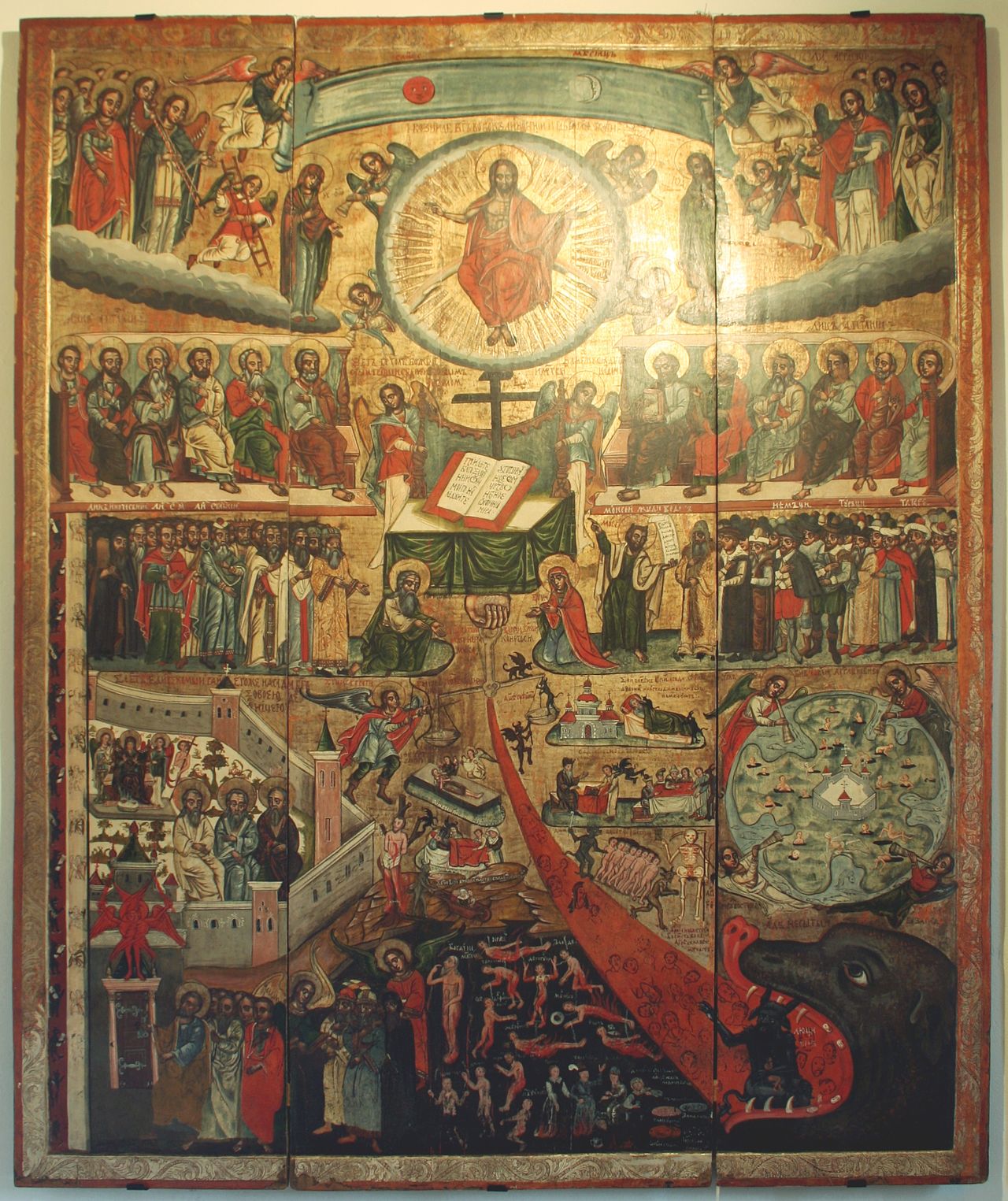
- Separation: a distinction between the righteous and the wicked, often described as reward and punishment.
- Renewal or consummation: the establishment of a renewed order or kingdom following judgment.
Scriptural and historical background
The idea has roots in the Hebrew Bible and is developed in the New Testament, where Jesus, the apostles and apocalyptic writings discuss final accountability. Early Christian creeds and theologians incorporated judgment into summaries of the faith, and the subject became a central concern in medieval theology and preaching. Over centuries the doctrine has been reformulated in response to doctrinal disputes, pastoral needs and philosophical reflection.
Cultural expression and function
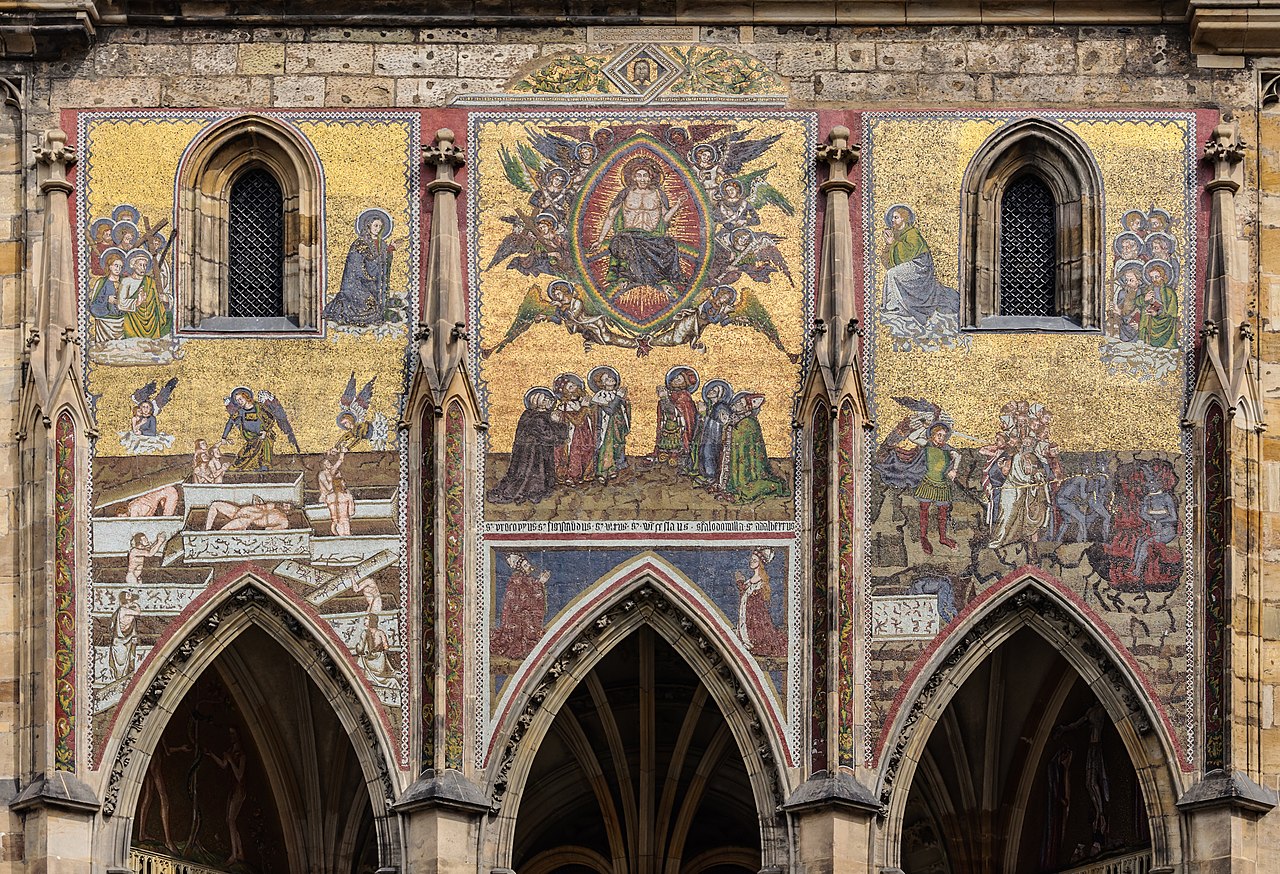
The Day of Judgment has influenced liturgy, ethical teaching, and visual culture. From cathedrals’ Last Judgment murals to sermons and hymns, the doctrine has served to warn, reassure, and motivate moral living. Artists such as those in the late medieval and Renaissance periods produced vivid scenes that shaped popular imagination about the moment of reckoning.
Differences in interpretation
Christian groups differ on how literally or symbolically they understand the event, whether judgment is immediate after death or reserved for a single final day, and how final restoration relates to punishment. Some traditions emphasize individual judgment and the soul’s destiny; others stress a cosmic or communal transformation at history’s end. These variations affect worship, pastoral care and ethical teaching.
Though described in many ways, the Day of Judgment continues to function within Christianity as a theological lens for thinking about justice, responsibility and hope for renewal.
Related articles
Author
AlegsaOnline.com Day of Judgment (Christian tradition) Leandro Alegsa
URL: https://en.alegsaonline.com/art/25883