
Damüls: Alpine village and ski resort in Vorarlberg, Austria
Damüls is a high-altitude municipality in the Bregenz district of Vorarlberg, Austria, known for heavy snowfall, winter sports and traditional Walser heritage.
Overview
Damüls is a mountain municipality and tourism centre located in the Alps. It lies in the district of Bregenz within the state of Vorarlberg in Austria. The village is primarily known as a ski destination and for its exceptionally snowy winters. Damüls has attracted visitors for decades with winter sports infrastructure, summer trails and a compact alpine village atmosphere.
Image gallery
9 Images


Geography and climate
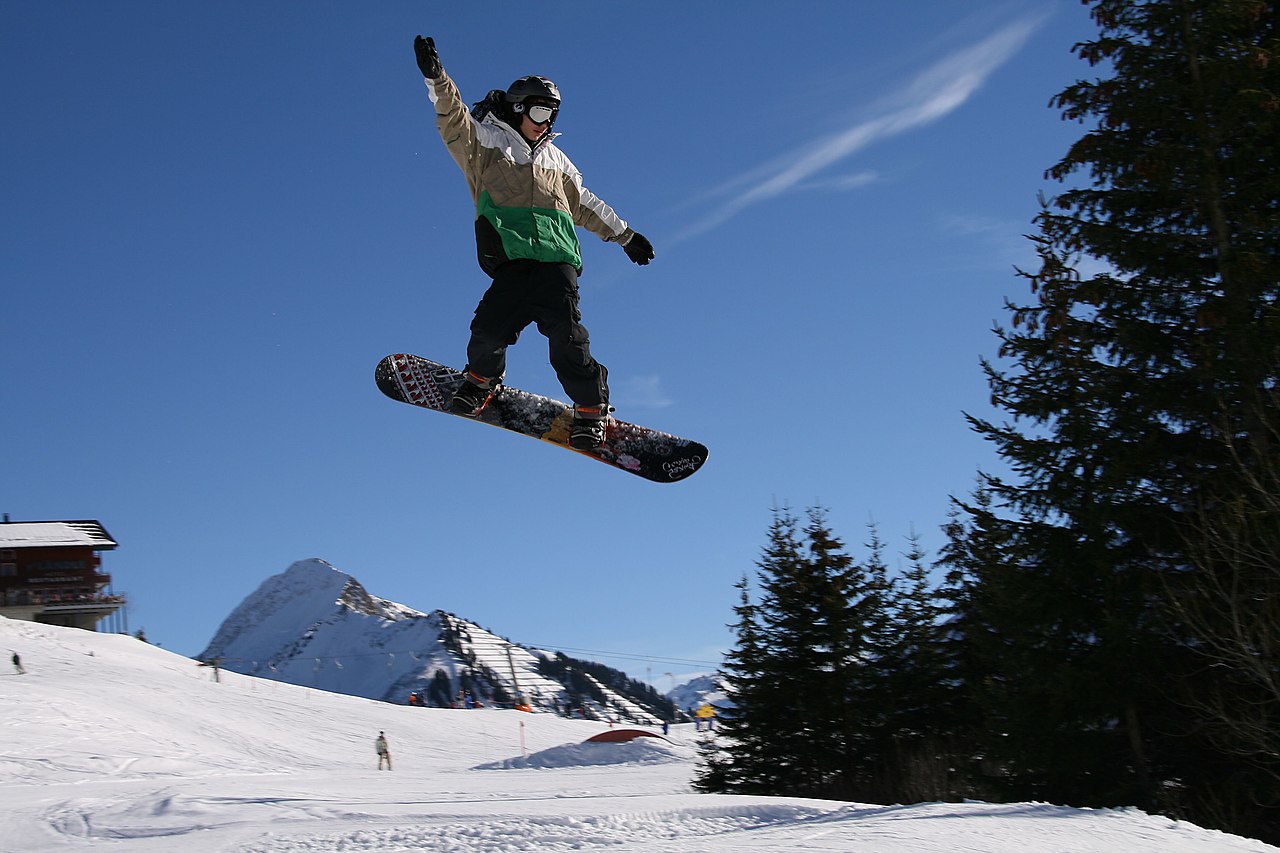
Situated on a high mountain plateau, Damüls sits above the valley floors and offers panoramic views of surrounding peaks. Its location at higher elevation gives the settlement a pronounced alpine climate: long, cold winters and relatively cool summers. Damüls has an unusually high average annual snowfall; local figures cited an average near 9.30 metres per year, a statistic often referenced when describing the area's winter conditions.
History and cultural character
Historically, Damüls is associated with the Walser migration, a pattern of settlement by German-speaking mountain communities that spread into high Alpine areas in the Middle Ages. The village retains elements of traditional mountain architecture and regional customs. Local culture combines agricultural roots with a tourism-oriented economy; many buildings and small chapels reflect the vernacular styles of the Bregenz Forest and Vorarlberg traditions.
Tourism and activities
Tourism is the main economic activity. In winter, the area is known for downhill skiing, freeride terrain and well-maintained pistes, and it is often linked operationally with neighbouring ski areas to offer larger lift networks. Summer visitors use the plateau for hiking, mountain biking and alpine pastures. Typical offerings include:
- Marked hiking routes and alpine huts
- Ski lifts and groomed slopes for a range of abilities
- Guided snowshoeing and freeride opportunities
- Local festivals and regional culinary specialties
Notable facts and recognition
Damüls has gained international attention for its snowfall and, in 2006, was promoted with the honorary designation of being among the "snowiest" inhabited places in Europe. That reputation has become part of the village's identity and marketing for winter tourism. Visitors interested in practical information and transport connections will typically consult regional tourism resources and local municipal information before travel.
For more on administrative details, services and seasonal events, see official and regional guides that cover the Bregenz district and the state of Vorarlberg.
Related articles
Author
AlegsaOnline.com Damüls: Alpine village and ski resort in Vorarlberg, Austria Leandro Alegsa
URL: https://en.alegsaonline.com/art/25296
Sources
- statistik.at : "Dauersiedlungsraum der Gemeinden Politischen Bezirke und Bundesländer - Gebietsstand 1.1.2018"
- statistik.at : "Einwohnerzahl 1.1.2018 nach Gemeinden mit Status, Gebietsstand 1.1.2018"
- theadrenalist.com : "Archived copy" · web.archive.org