
Damvant — former municipality in Porrentruy district, canton of Jura
Damvant is a small, French‑speaking village in the Porrentruy district of Jura, Switzerland. Formerly an independent municipality, it is now part of the merged commune Haute‑Ajoie.
Damvant is a village in northwestern Switzerland that formerly held the status of an independent municipality. It lies in the rural uplands of the Porrentruy district within the predominantly French-speaking canton of Jura, and is part of the Swiss Confederation (Switzerland). In a local administrative reorganization it ceased to be a separate municipality and became integrated into the new commune Haute-Ajoie.
Image gallery
3 Images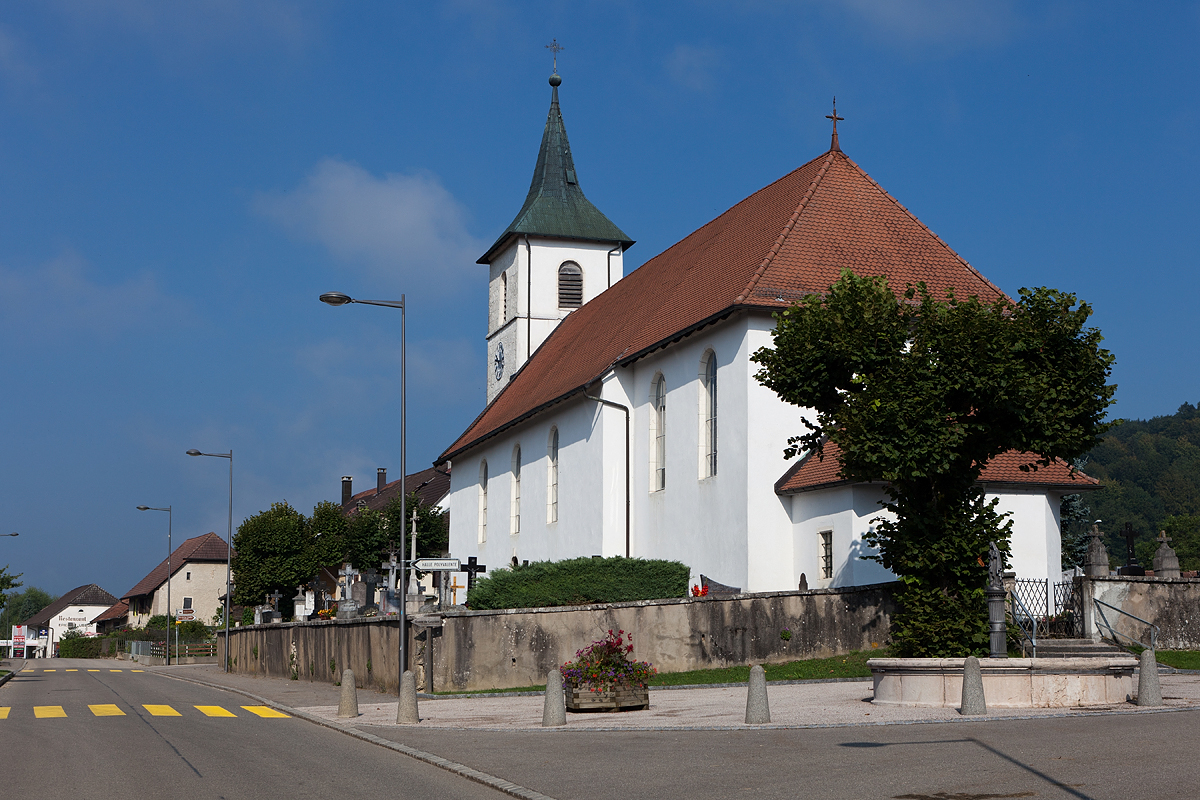


Geography and setting
Damvant occupies a quiet, hilly setting typical of the Jura region, with a mix of pasture, woodland and small-scale farmland. The village is located near the French border and shares the cross-border cultural and economic links common to many communities in this part of Switzerland. The landscape is suited to outdoor activities such as walking, cycling and low-impact tourism.
History and administration
Historically a small agrarian settlement, Damvant was governed as a municipality with its own local council until it joined a larger municipal structure. The consolidation into Haute-Ajoie reflects a wider pattern of municipal mergers in Switzerland intended to pool resources, simplify administration and maintain local services for scattered rural populations.
Characteristics, economy and culture
The village community is Francophone and retains many features of traditional rural life in the Jura: family farms, forestry, and artisan activities. Local architecture and village layout reflect regional building traditions. Community life typically revolves around communal events, seasonal agricultural rhythms and small local associations.
Uses and visitor information
- Quiet rural base for exploring the Jura countryside and neighboring French regions.
- Access to hiking routes, local trails and nature observation.
- Example of municipal reorganization aimed at sustaining services in small settlements.
For administrative or historical details consult official cantonal and municipal sources or regional guides. The village’s integration into Haute-Ajoie means contemporary information is maintained by the larger commune while local identity and traditions continue to shape life in Damvant.
Related articles
Author
AlegsaOnline.com Damvant — former municipality in Porrentruy district, canton of Jura Leandro Alegsa
URL: https://en.alegsaonline.com/art/25297