
Dainville — commune in Pas-de-Calais, northern France
Dainville is a commune in the Pas-de-Calais department of northern France. This article summarizes its geography, administration, history, economy, landmarks, transport and community life.
Overview
Dainville is a French commune in the Pas-de-Calais department, located in the wider administrative region now known as Hauts-de-France. Historically the area was associated with the former region of Nord-Pas-de-Calais. Dainville lies in the north of France and functions as a suburban and local centre with municipal services, community associations and small-scale commercial activity, closely connected to nearby urban centres (northern France regional networks).
Image gallery
2 Images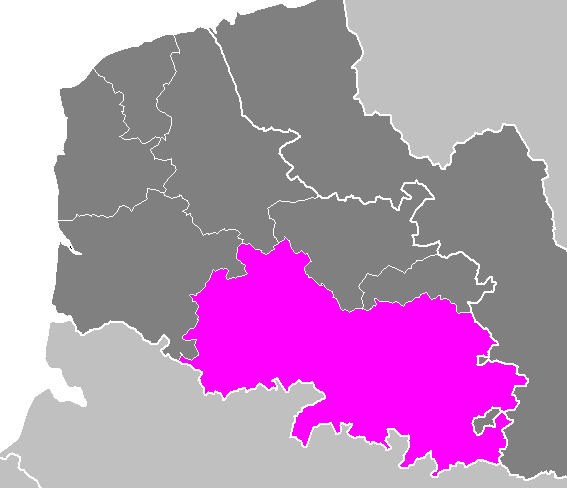
Geography and administration
The commune occupies a mix of residential neighbourhoods, public spaces and agricultural land on the outskirts of a regional city. It is governed by a municipal council and mayor and participates in intercommunal cooperation for planning, schools and transport. Local responsibilities commonly include primary education, local road maintenance and recreational facilities, coordinated with departmental structures and regional authorities.
History
Dainville has historical roots typical of settlements in Pas-de-Calais, evolving from rural origins toward a more suburban character as the surrounding city expanded. The region witnessed significant events during the 20th century, notably the conflicts of the First World War; traces of that period remain visible through memorials and cemeteries, and in the rebuilt townscape that reflects postwar reconstruction.
Demography and community life
The commune is home to a mixed population of families, professionals and older residents. Community life is supported by schools, sports clubs, cultural associations and municipal events. Local facilities such as a town hall, communal halls and parks provide focal points for civic life and seasonal celebrations.
Economy and services
The local economy combines agriculture on the commune's outskirts with small businesses, shops and service activities that meet everyday needs. Many residents commute to jobs in nearby urban centres while light industry and artisanal trades operate at a local scale. Public services include primary schooling, basic health provision and social services administered through departmental channels.
Landmarks and heritage
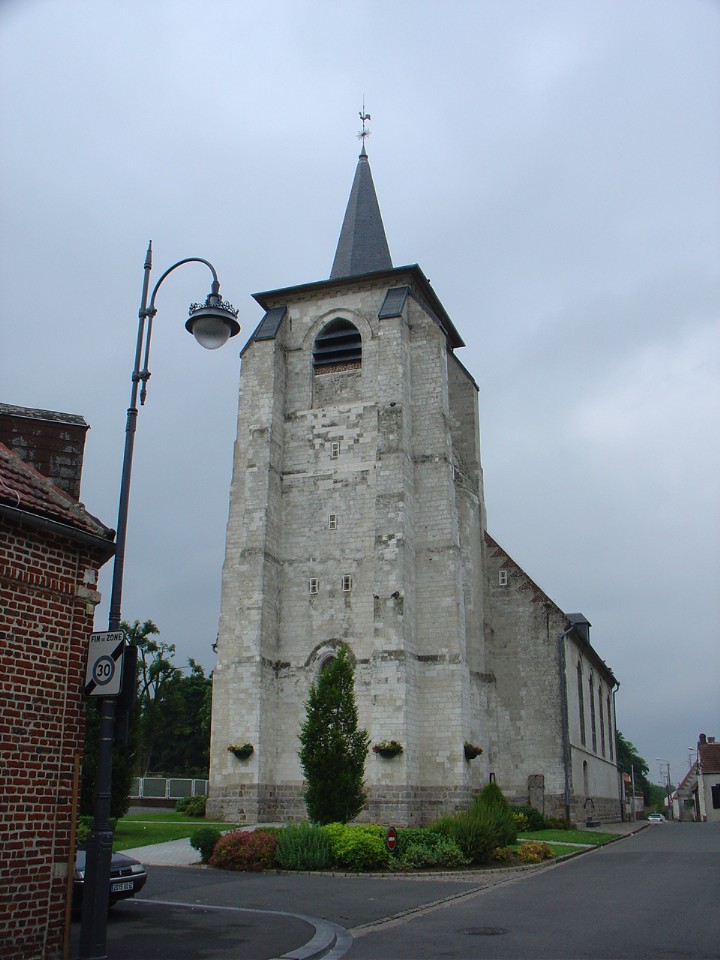
Typical landmarks include a parish church, a municipal hall, a war memorial and community green spaces. Buildings and streets often show a mix of older regional architecture and later 20th-century reconstruction. Local heritage initiatives and commemorative events help preserve and interpret the commune's past.
Transport and access
Transport links are oriented toward the nearby city and regional network: local roads, bus services and connections to broader rail and road arteries allow commuting and access to regional services. Travel and mobility planning are usually coordinated by intercommunal authorities to improve connections for residents and businesses.
For practical information, consult official municipal notices and regional guides provided by local authorities and partners: municipal site, regional resources, historical region references, department services, departmental framework and general summaries for the north of France.
Related articles
Author
AlegsaOnline.com Dainville — commune in Pas-de-Calais, northern France Leandro Alegsa
URL: https://en.alegsaonline.com/art/25125