
Dalaas — municipality in the Bludenz district of Vorarlberg, Austria
Dalaas is a small alpine municipality in the Bludenz district of Vorarlberg, Austria, known for its mountain scenery, local culture, and rural-economy traditions.
Dalaas is a municipality in western Austria located in the district of Bludenz. It is part of the federal state of Vorarlberg and is administered as a local commune with its own council and mayor. For official information about the town and municipal services see the local municipal page Dalaas (municipality).
Image gallery
2 Images
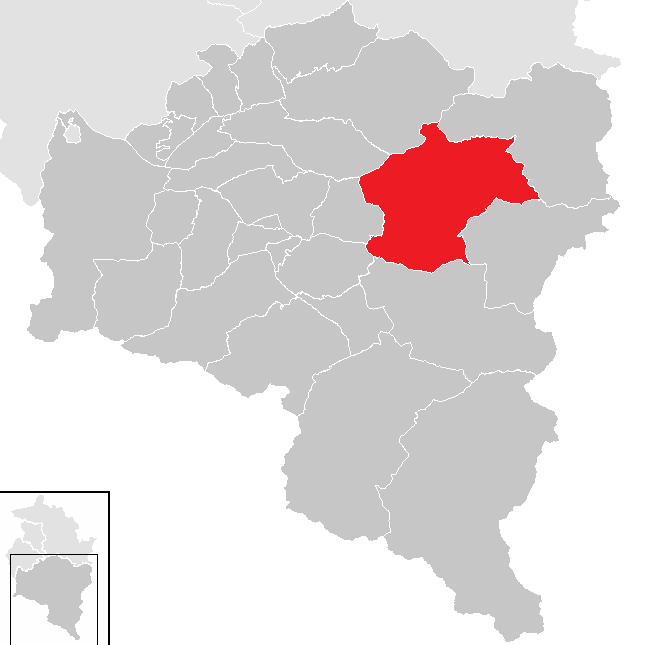
Geography and landscape
Dalaas lies in the alpine region typical of Vorarlberg, with steep valleys, wooded slopes and open meadows. The settlement pattern combines a compact village center with scattered hamlets and agricultural plots on the valley floors and lower slopes. The surrounding mountains provide a backdrop for outdoor recreation year-round.
Administration and connections
The municipality belongs to the administrative district of Bludenz district and cooperates with neighboring communities on regional services. The district capital, Bludenz, serves as the nearest larger centre for shopping, hospitals and rail connections. Dalaas is linked to the regional road network and is served by local public transport that connects to the wider Vorarlberg transport system (state information).
Economy and activities
The local economy is typical of small alpine municipalities: a mix of agriculture, small businesses, crafts and seasonal tourism. Visitors are drawn to hiking, mountain biking and winter sports in nearby slopes. Local guesthouses and family-run accommodations provide a base for exploring the area. Useful travel and tourism information is often available via regional tourist offices and portals (tourism).
History, culture and notable facts
Like many communities in Vorarlberg, Dalaas has roots in historic rural settlement patterns and developed around farming, forestry and mountain trade routes. Cultural life reflects Alemannic traditions, with local festivals, church-centered community events and architecture that includes traditional timber and stone buildings. The municipality participates in regional initiatives for heritage preservation and sustainable mountain development.
- Main features: alpine setting, small-community governance, local agriculture and tourism.
- Visitor activities: hiking, winter sports, cultural events and regional cuisine.
Related articles
Author
AlegsaOnline.com Dalaas — municipality in the Bludenz district of Vorarlberg, Austria Leandro Alegsa
URL: https://en.alegsaonline.com/art/25171
Sources
- statistik.at : "Dauersiedlungsraum der Gemeinden Politischen Bezirke und Bundesländer - Gebietsstand 1.1.2018"
- statistik.at : "Einwohnerzahl 1.1.2018 nach Gemeinden mit Status, Gebietsstand 1.1.2018"
- commons.wikimedia.org : Dalaas