
Currawong (Strepera): an overview of the Australasian passerine
Currawongs are crow-like passerine birds of the genus Strepera native to Australasia. They are medium-large, omnivorous birds known for distinctive calls and adaptability to woodland and urban environments.
Currawong is the common name for several crow-like passerine birds in the genus Strepera. They are native to Australasia and are usually treated as part of the family Artamidae. Currawongs are familiar components of many Australian and Tasmanian landscapes and are notable for their loud, ringing calls and bold behavior.
Image gallery
10 Images


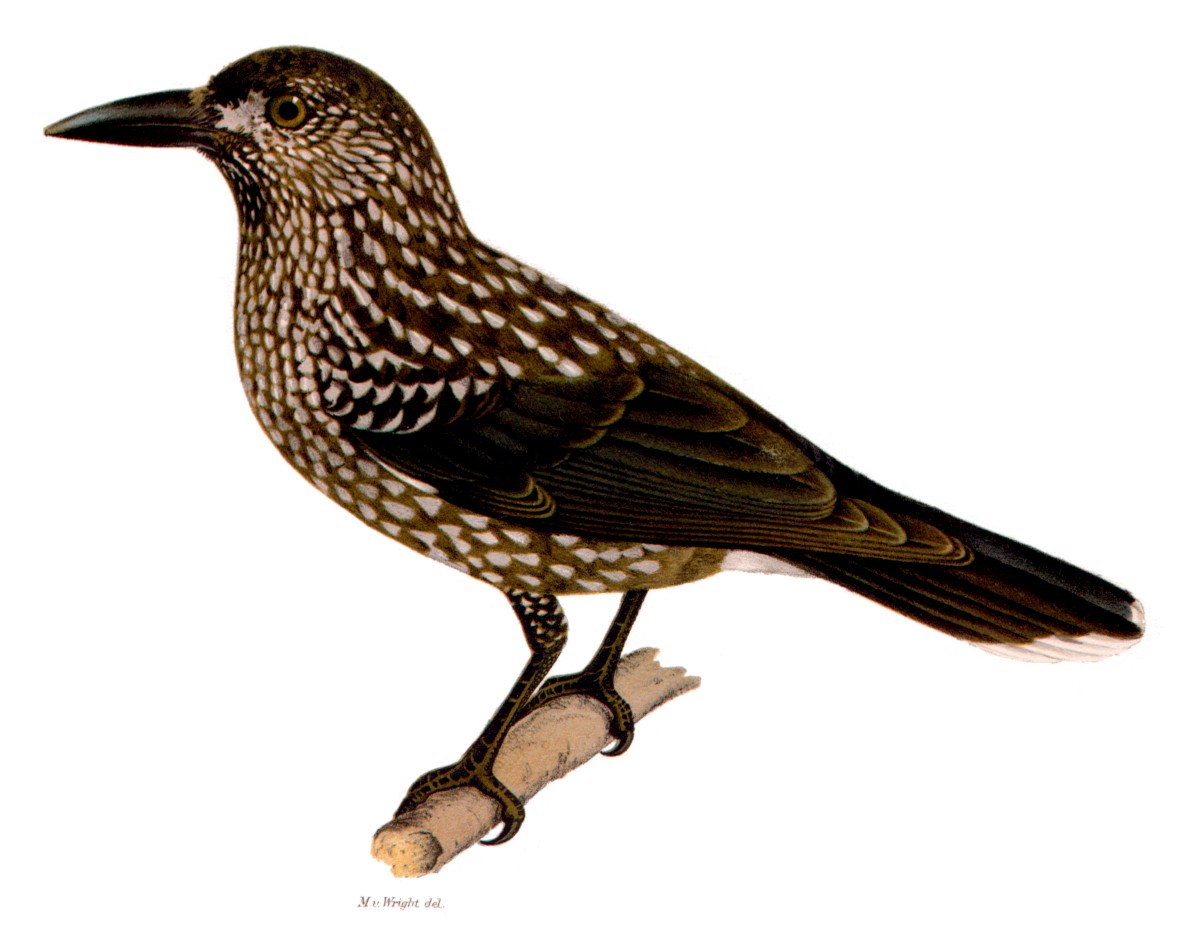


Physical characteristics
Currawongs are medium-to-large songbirds with robust bodies, strong bills, and long tails. Plumage ranges from mostly black to mottled grey and white, depending on the species. Their build and habits give them a crow-like appearance, though they are not true crows. They have powerful feet for perching and hopping through understory vegetation.
Species and distribution
- Pied currawong (dark with white patches) — common in eastern Australia and adaptable to parks and gardens.
- Grey currawong (variable grey and brown tones) — found across southern mainland Australia.
- Black currawong (darker plumage) — native to Tasmania and nearby islands.
These species occupy forests, woodlands, coastal scrub and urban fringes; some island populations are especially localized.
Behavior and ecology
Currawongs are omnivorous and opportunistic feeders. Their diet includes insects, small vertebrates, eggs and nestlings, fruit and carrion. They forage both on the ground and in trees, and are known to scavenge at human habitations. Social organization varies: some species form small groups or family parties, especially outside the breeding season.
Taxonomy, history and human interactions
Historically currawongs were placed with other Australo‑Pacific predatory songbirds; modern classifications place them in Artamidae, alongside woodswallows and some butcherbirds. Their loud, ringing calls inspired the common name, a word derived from indigenous Australian languages. In towns they are often tolerated for their ability to remove pests, though they may also predate on poultry and songbird nests, causing occasional conflict with people.
For further general information on birds and regional avifauna see bird resources and regional checklists at Australasian portals. Additional taxonomic details are available via the genus entry Strepera.
Related articles
Author
AlegsaOnline.com Currawong (Strepera): an overview of the Australasian passerine Leandro Alegsa
URL: https://en.alegsaonline.com/art/24717