
Vulcanization: the chemical cross-linking process for durable rubber
Vulcanization is the irreversible chemical process that creates cross-links in rubber (traditionally using sulfur) to produce elastic, heat- and wear‑resistant materials used in tires, seals and many products.
Overview
Vulcanization is the chemical treatment that converts raw elastic polymers into tougher, more resilient elastomers by forming cross-links between long molecular chains. In classical practice the curative is sulfur, which links polyisoprene chains in natural rubber or similar double‑bonded elastomers. The change is essentially irreversible: the treated material behaves as a thermoset rather than a thermoplastic.
Image gallery
4 Images


Chemistry and how it works
The process creates covalent bonds between polymer chains. Sulfur forms sulfidic linkages (monosulfide, disulfide and polysulfide bridges) that restrict chain mobility and restore elastic “memory.” Heat and time control the extent of cross‑linking; a higher cross‑link density generally raises hardness and heat resistance but lowers ultimate elongation. Modern formulations use accelerators and activators to control the rate and efficiency of vulcanization, while alternative curing agents such as organic peroxides or radiation are used for specific polymers.
Methods and processing
Vulcanization is carried out in many ways: in molds under heat and pressure, by hot‑air ovens for shaped goods, in continuous extrusion lines for hoses and profiles, or by steam autoclaves for some products. Sulfur cures are typical for tire and general‑purpose rubbers; peroxide cures are preferred when thermal stability or resistance to reversion is needed. Curing schedules are tuned to avoid undercure (weak material) or overcure (brittleness and degradation).
Properties imparted
- Improved elasticity and resilient rebound
- Higher tensile strength and tear resistance
- Greater abrasion and aging resistance
- Enhanced thermal and solvent resistance relative to untreated rubber
Applications and importance
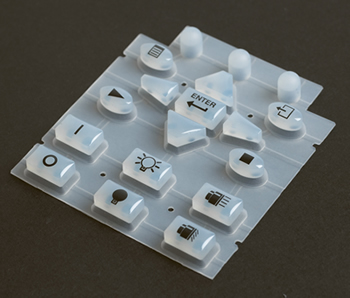
Vulcanized elastomers are central to modern industry and daily life: tires, inner tubes, conveyor belts, gaskets, hoses, footwear soles and vibration mounts rely on cured rubber for mechanical performance and safety. The invention of practical vulcanization was a turning point for the industrial use of rubber.
History, variations and recycling
Charles Goodyear’s discovery in the mid‑19th century that heat combined with sulfur produced a stable, elastic material transformed rubber from a novelty into an engineering material. Since then, formulations and cure chemistries have diversified to meet different needs. Cross‑linking also complicates recycling because the network cannot be remelted; mechanical reclaiming and chemical devulcanization processes are used to recover material from scrap, though these remain technically and economically challenging.
Author
AlegsaOnline.com Vulcanization: the chemical cross-linking process for durable rubber Leandro Alegsa
URL: https://en.alegsaonline.com/art/106014