
Cruelty to animals: forms, legal responses, and how to help
Overview of animal cruelty: definitions, common forms, legal and social responses, and ways individuals and communities can prevent and report abuse.
Overview
Cruelty to animals refers to actions or omissions that cause unnecessary pain, suffering, or death to nonhuman animals. This includes deliberate physical harm, persistent neglect, abandonment, and other behaviors that compromise an animal's welfare. Different cultures and legal systems define and address cruelty in varied ways, but common concerns center on preventing avoidable suffering and protecting animals kept as companions, working animals, livestock, and wildlife. For a general definition and background, see more information on definitions.
Image gallery
10 Images




Common forms and signs
Abuse can take many forms. Recognizing the signs helps neighbours, veterinarians, and authorities intervene earlier. Typical categories include:
- Neglect: withholding food or clean water, failing to provide shelter or medical care. Examples are restricted access to food or water—such as prolonged lack of food (food deprivation) or water (water deprivation).
- Physical abuse: striking, kicking, burning, or otherwise causing injury; intentional maiming or killing.
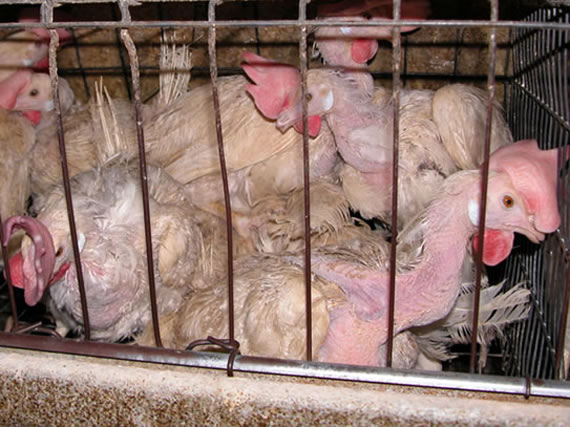
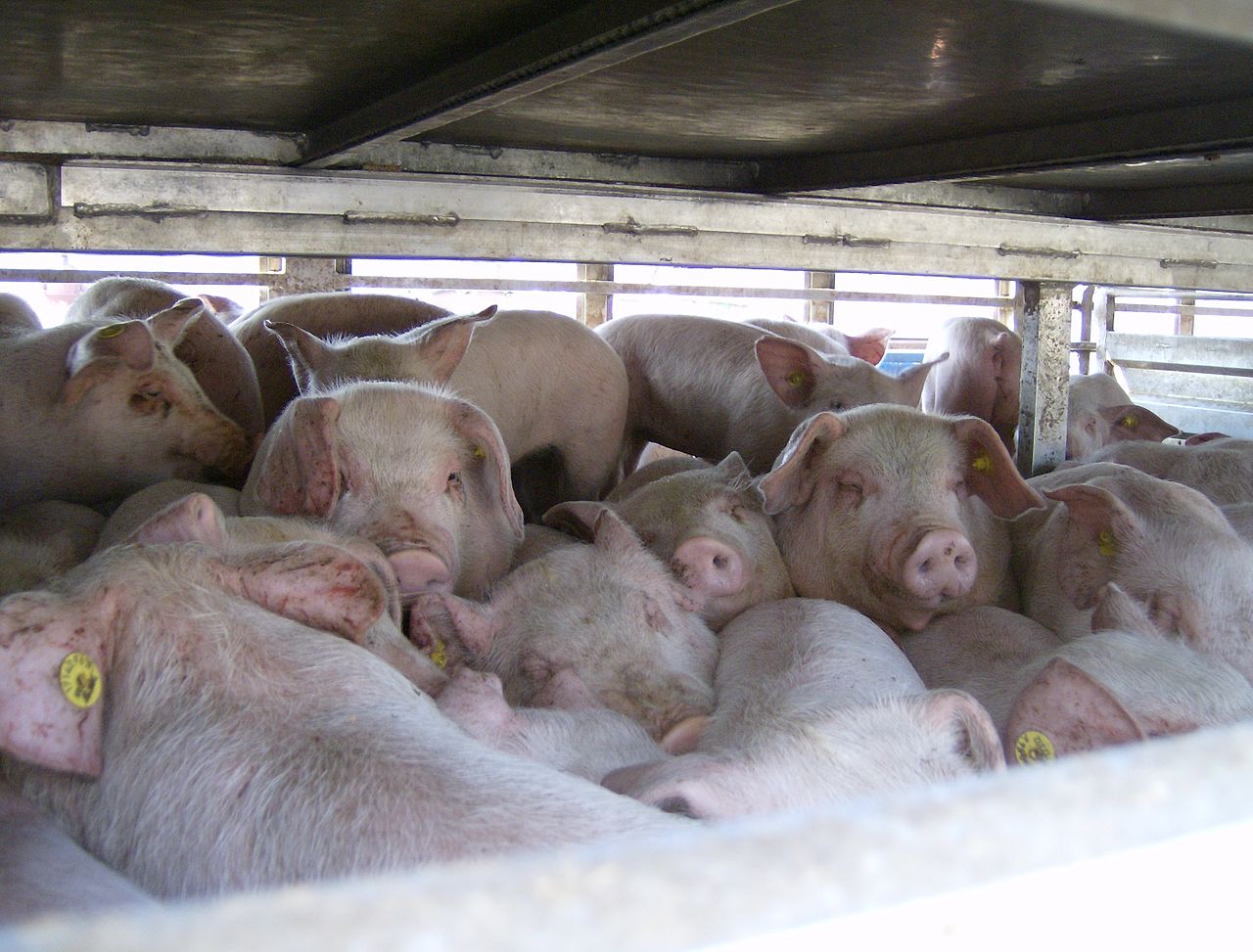
- Confinement and restraint: chaining or locking an animal for long periods, tethering without adequate shelter or exercise (examples of tethering), or keeping animals in unsanitary, overcrowded conditions.
- Abandonment: leaving an animal without resources or care; sudden desertion can be life-threatening (abandonment cases).
- Hoarding and chronic neglect: accumulation of large numbers of animals without the ability to care for them adequately, often accompanied by poor sanitation and disease.
Legal and social responses
Many jurisdictions have laws that prohibit cruelty and provide penalties ranging from fines and community service to imprisonment for serious or repeated offenses. Penalties vary widely by place and by the severity of the act; in some areas a monetary fine (fines and penalties) is typical for minor offenses while more severe exploitation or torture may lead to criminal charges. Enforcement depends on reporting, investigation by animal control or law enforcement, and access to veterinary assessments.
Why it matters and distinctions
Animal cruelty is both an animal welfare issue and a public concern. It can indicate broader social problems such as domestic violence, mental health challenges, or organized crime (for example, illegal fighting rings). Distinctions help when discussing policy: "neglect" differs from deliberate "malicious harm," and cruelty within agriculture or research is treated differently in law and ethics than companion-animal abuse. Understanding context is essential for appropriate interventions.
Prevention, reporting, and help
Communities and individuals play key roles in prevention. Practical steps include reporting suspected abuse to local authorities or animal welfare organizations, supporting spay/neuter and microchipping programs, promoting responsible ownership and education, and assisting rehabilitation efforts for rescued animals. If you witness or suspect cruelty, document observations safely, contact the relevant agency, and consult resources such as local reporting guides or animal welfare groups (educational resources).
Notable considerations
Intervention should balance the welfare of the animal with the safety of people involved. Rescue and rehabilitation can be resource-intensive; many organizations rely on volunteers and donations. Laws and public attitudes continue to evolve, with growing emphasis on prevention, veterinary forensics, and links between animal cruelty and other harms to people. For guidance on getting involved or learning more, see additional materials at food and care resources, water and shelter guidance, and community outreach information (legal context).
Related articles
Author
AlegsaOnline.com Cruelty to animals: forms, legal responses, and how to help Leandro Alegsa
URL: https://en.alegsaonline.com/art/24414