
The Cross of Gold Speech (1896) by William Jennings Bryan
William Jennings Bryan's 1896 'Cross of Gold' address argued for bimetallism over the gold standard, energizing the Democratic Party and shaping US political debate about currency, inflation, and populism.
Overview
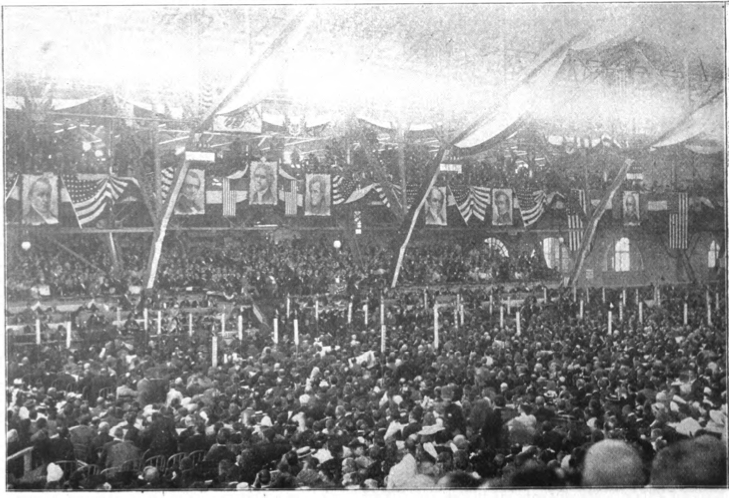
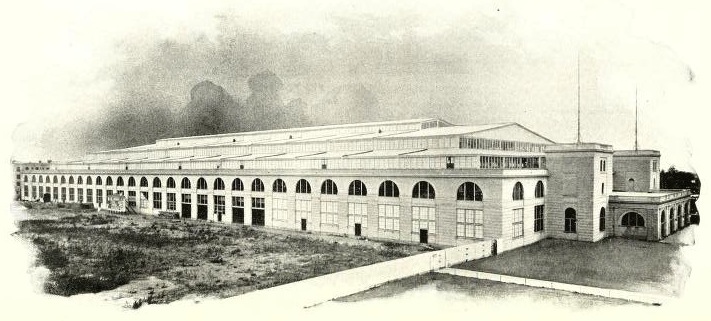
The "Cross of Gold" speech was delivered by William Jennings Bryan at the 1896 Democratic National Convention in Chicago. It became one of the most famous political addresses in late 19th-century American history for its forceful defense of bimetallism—using both silver and gold as the basis for the nation’s currency—in opposition to a strict gold standard. Bryan sought monetary policies that would ease the burden on indebted farmers and working-class Americans by expanding the money supply and raising prices.
Image gallery
10 Images



Context and central argument
In the 1890s the United States was recovering from economic depression, and debate over currency policy divided politicians and interest groups. Supporters of the gold standard argued it preserved financial stability and international confidence; advocates of the free coinage of silver believed that adding silver to the monetary base would create moderate inflation, easing debts and stimulating economic activity. Bryan framed this dispute in moral and populist terms, portraying the gold standard as an elite interest that crushed labor and small producers.
Structure and delivery
Bryan’s address combined statistical references, moral rhetoric, and a series of memorable images and metaphors. He paced the speech to build momentum, culminating in the well known closing lines in which he rejected the gold standard with vivid religious imagery. The speech's immediate effect was electrifying: delegates interrupted with cheers and ultimately adopted the silver platform and nominated Bryan as the Democratic presidential candidate. For primary sources and text versions see full text and biographical context in Bryan biographies.
Impact and legacy
Although Bryan lost the 1896 presidential election to William McKinley, the speech reshaped political discourse. It galvanized the Populist and agrarian movements, symbolized the divide between rural and urban economic interests, and influenced later debates about monetary policy and economic reform. Historians view the speech as a turning point in the rise of modern political campaigning and as an emblem of late 19th-century populism; further reading and analysis can be found at historical surveys, economic analyses, and contemporary reports at press archives.
Notable features and excerpts
- Rhetorical power: Bryan’s use of Biblical metaphor and plainspoken language helped him connect with many voters and delegates.
- Policy focus: The speech advocated free silver as a remedy for deflation and indebtedness.
- Political consequences: It secured Bryan’s candidacy and mobilized a broad coalition of farmers, miners, and laborers.
One of the most-quoted passages ends the speech: "You shall not press down upon the brow of labor this crown of thorns, you shall not crucify mankind upon a cross of gold." For annotated versions and scholarly notes see documentary editions and comparative commentary at academic articles.
Related articles
Author
AlegsaOnline.com The Cross of Gold Speech (1896) by William Jennings Bryan Leandro Alegsa
URL: https://en.alegsaonline.com/art/24325