
Crossword (Crossword Puzzle): overview, structure, history and uses
A crossword is a word puzzle with a grid of squares and clues for words placed across and down. This article covers its structure, history, major varieties, solving strategies and cultural importance.
Overview
A crossword is a word-based puzzle that challenges solvers to fit words into a grid according to numbered clues. Typically the grid is composed of white squares to be filled with letters and black squares that separate entries. Clues are grouped as "across" and "down" and often require general knowledge, vocabulary, wordplay or lateral thinking. Crosswords appear in traditional print formats and many modern platforms, including newspapers, magazines, books, the Internet and mobile apps.
Image gallery
10 Images


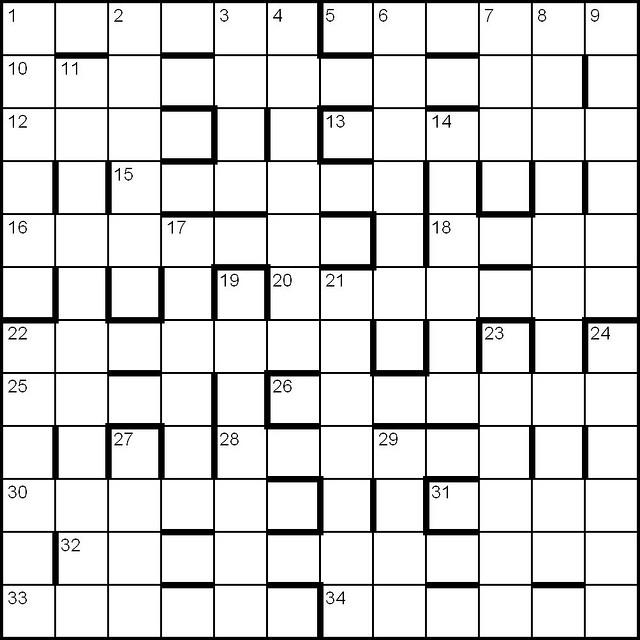


Structure and conventions
A standard crossword grid uses symmetry and a system of numbered start squares that correspond to clue numbers. Each entry spans contiguous white squares and intersects other entries at shared letters. Editors enforce rules about fill quality, abbreviation use and obscure words. Themes appear in many puzzles and are usually signaled by several long entries that share a common idea. For learning and reference purposes, crosswords can support vocabulary building and pattern recognition.
History and development
The modern crossword puzzle traces back to an early published example by Arthur Wynne, a journalist from Liverpool, who produced a word-cross diagram in the early 20th century. From that beginning, the form spread rapidly across English-speaking newspapers and magazines, evolving into diverse styles and standards. Major newspapers made crosswords a daily feature, with many outlets publishing a new puzzle with each issue or daily edition.
Types and variations
- American-style (blocked) crosswords: symmetrical grids with checked squares and typically a mix of short and long entries.
- British-style (cryptic) crosswords: clues combine definition with wordplay, requiring parsing of cryptic indicators.
- Barred grids, diagramless puzzles, themed puzzles and variety formats: each alters grid rules or clue presentation.
Uses, solving strategies and community
Crosswords serve entertainment, education and competitive purposes. Solving strategies include filling short, intersecting words first; recognizing common clue patterns; and identifying theme entries. Many enthusiasts join clubs, participate in tournaments or follow well-known puzzle editors and constructors. Puzzles can be used in classrooms to reinforce spelling and general knowledge, and in crosswords communities contributors create and share original constructions.
Notable facts and distinctions
Beyond leisure, crosswords reflect linguistic trends and cultural references of their time. Editors balance fairness and challenge, often grading puzzles by day of week or publication. The craft of puzzle construction blends creative theme design, precise clue writing and technical constraint-solving. For readers seeking more background on the form as a word-based pastime, a wide range of resources and historical retrospectives are available via general puzzle archives and editorial introductions (word-based puzzle, vocabulary references).
Questions and answers
Q: What is a crossword?
A: A crossword is a type of puzzle that uses words.
Q: Where can crossword puzzles be found?
A: Crossword puzzles can be found in newspapers, magazines, books, and on the Internet through mobile apps.
Q: Who created the first crossword puzzle?
A: The first crossword puzzle was created by Arthur Wynne, a journalist from Liverpool.
Q: When was the first crossword puzzle published?
A: The first crossword puzzle was published on December 21, 1913 in the New York World.
Q: What are some newspapers and magazines that are known for their crossword puzzles?
A: The New York Times is known for their crossword puzzles, as well as many other newspapers and magazines.
Q: Are crossword puzzles usually printed every day or in every issue?
A: Yes, a different crossword is typically printed every day or in every issue.
Q: Where can the answer to a crossword puzzle be found?
A: The answer (or solution) to a crossword puzzle is either found somewhere else or often is not seen until the next day or issue.
Related articles
Author
AlegsaOnline.com Crossword (Crossword Puzzle): overview, structure, history and uses Leandro Alegsa
URL: https://en.alegsaonline.com/art/24359