
Disposable product — single-use items, materials, uses, and environmental impacts
Overview of disposable products—items intended for single or limited use—covering common materials, history, applications, environmental concerns, waste management, and alternatives.
Overview
A disposable product is designed for one-time or limited use before being discarded, recycled, or otherwise treated as waste. The term commonly denotes convenience and temporary function rather than long service life. Some items labeled disposable may remain functional for weeks or months but are intended as nonpermanent solutions.
Image gallery
9 Images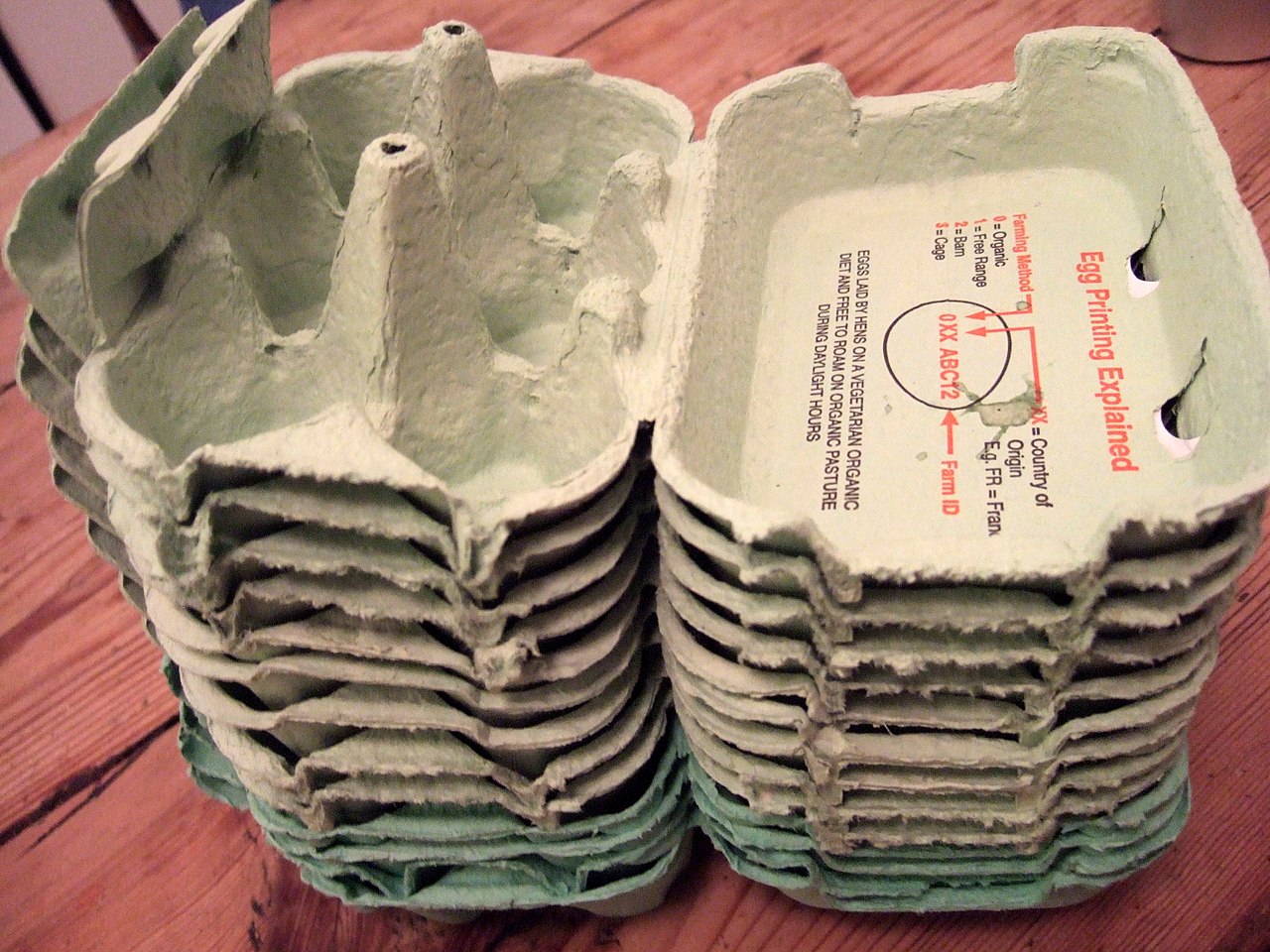


Characteristics and materials
Disposables are typically manufactured for low cost, lightweight handling, and easy replacement. Common materials include plastics, coated paper, foams, aluminum, and increasingly bio-based polymers. Design priorities emphasize hygiene, portability, and mass production rather than durability or reparability.
History and development
The rise of disposable goods is linked to industrialization and modern mass production. Advances in inexpensive materials and packaging techniques, along with changing consumer habits in the 20th century, expanded single-use products. Medical and sanitation needs also accelerated adoption of sterile disposables in healthcare.
Common uses and examples
- Food service: plates, cutlery, cups, and takeaway containers.
- Personal care: diapers, sanitary products, wipes, and razors.
- Medical and laboratory: syringes, gloves, gowns, and single-use instruments.
- Household and industrial: filters, packaging films, and protective covers.
Environmental impacts and management
Disposable products contribute to solid waste streams and can persist in the environment if made from durable plastics. Recycling, composting (for compostable materials), and improved collection reduce impacts, but contamination and mixed materials often limit recovery. Policy responses include bans on specific single-use items, extended producer responsibility, and incentives for circular design.
Alternatives and notable distinctions
Alternatives emphasize reuse, durability, or truly compostable materials. Distinctions matter: "single-use" strictly implies one use, while "disposable" can include items intended for a limited number of uses. Consumers and organizations weigh convenience, hygiene, lifecycle impacts, and cost when choosing between disposable and reusable options.
Further reading
For practical guidance on identifying and managing disposable items in business or household settings, see manufacturer guidance and local waste authority resources.
Questions and answers
Q: What is a disposable product?
A: A disposable product is one that is designed to be used only once and then either recycled or thrown away as solid waste.
Q: What does the word disposable imply?
A: The word disposable often implies cheapness and short-term convenience instead of something that will last for a long time.
Q: Is the term disposable only used for products that are meant to be used only once?
A: No, the term disposable is also sometimes used for products that may last several months to distinguish from similar things that last forever.
Q: Can a disposable product be recycled?
A: Yes, a disposable product can be recycled if it is designed for recycling, and if it is not contaminated or mixed with non-recyclable materials.
Q: How are disposable products different from durable products?
A: Disposable products are different from durable products because they are intended for one-time use and short-term convenience, while durable products are designed to last for a long time.
Q: What is an example of a disposable product that may last for several months?
A: An example of a disposable product that may last for several months is a disposable air filter.
Q: Can disposable products be environmentally friendly?
A: Yes, disposable products can be environmentally friendly if they are made from biodegradable materials and designed for easy recycling or composting.
Related articles
Author
AlegsaOnline.com Disposable product — single-use items, materials, uses, and environmental impacts Leandro Alegsa
URL: https://en.alegsaonline.com/art/27711