
COVID-19 pandemic in Oman
Overview of the COVID-19 pandemic in Oman: first detection, public-health response, vaccination rollout, social and economic effects, and ongoing surveillance since February 2020.
The COVID-19 pandemic was confirmed in Oman on 24 February 2020 when two citizens tested positive after returning from Iran. That initial detection marked the start of multiple waves of infection that broadly followed global patterns of spread and response. The epidemic affected both Omani nationals and a large expatriate workforce, challenging public health services and prompting a range of containment measures.
Image gallery
3 Images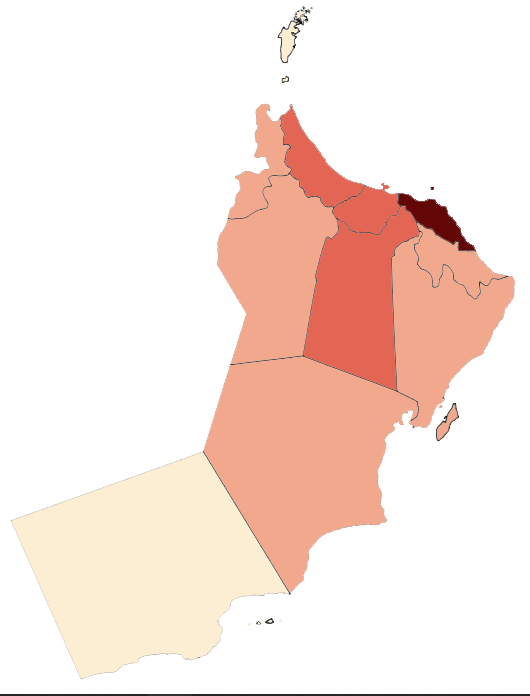
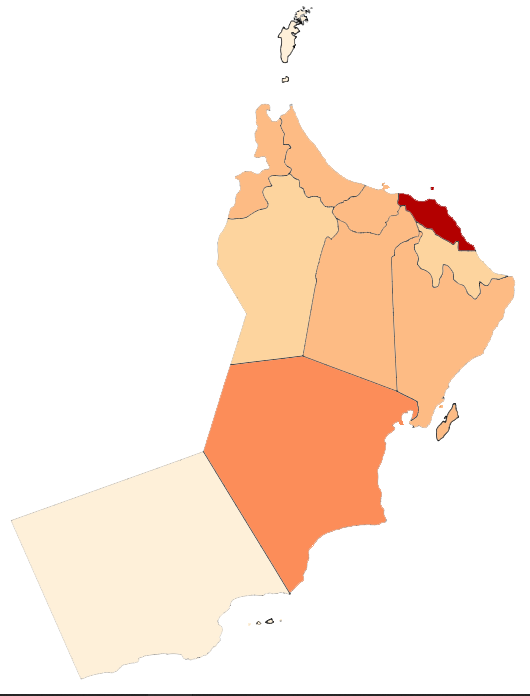

Timeline and characteristics
Cases rose in several waves over months. Peaks were associated with increased mobility, social gatherings and the emergence of more transmissible variants. Illness ranged from asymptomatic infection to severe respiratory disease, with older people and those with chronic conditions at higher risk. Testing capacity, case definitions and surveillance systems evolved as laboratories scaled up and reporting practices were refined.
Government measures
Authorities implemented layered non-pharmaceutical interventions to slow transmission. Measures included travel restrictions and quarantine for arrivals, temporary closure of educational institutions and non-essential businesses, limits on public gatherings, mask and hygiene mandates, and targeted lockdowns or curfews in high-transmission areas. Public communication campaigns aimed to inform residents about prevention and access to services.
Health-system response and vaccination
Hospitals increased critical care capacity, oxygen supplies and laboratory testing during surges. Contact tracing and isolation programs were used to contain outbreaks. As vaccines received approval, Oman rolled out vaccination programs prioritizing health workers, older adults and clinically vulnerable groups. Vaccination, together with testing and continued public-health measures, helped reduce severe illness and deaths.
Impact and outlook
The pandemic accelerated remote learning, affected labor markets and highlighted vulnerabilities among low-income and migrant communities. It prompted investments in public health infrastructure and emergency preparedness. Ongoing surveillance, genomic monitoring and readiness to adjust public-health measures remain important for responding to future changes in transmission or new variants.
Related articles
Author
AlegsaOnline.com COVID-19 pandemic in Oman Leandro Alegsa
URL: https://en.alegsaonline.com/art/23793
Sources
- covid19.moh.gov.om : "Covid-19 cases in Oman"