
COVID-19 pandemic in Norway
Overview of the COVID-19 pandemic in Norway: timeline, public-health measures, vaccination, variants, societal and economic impacts, and notable features of the response.
Overview
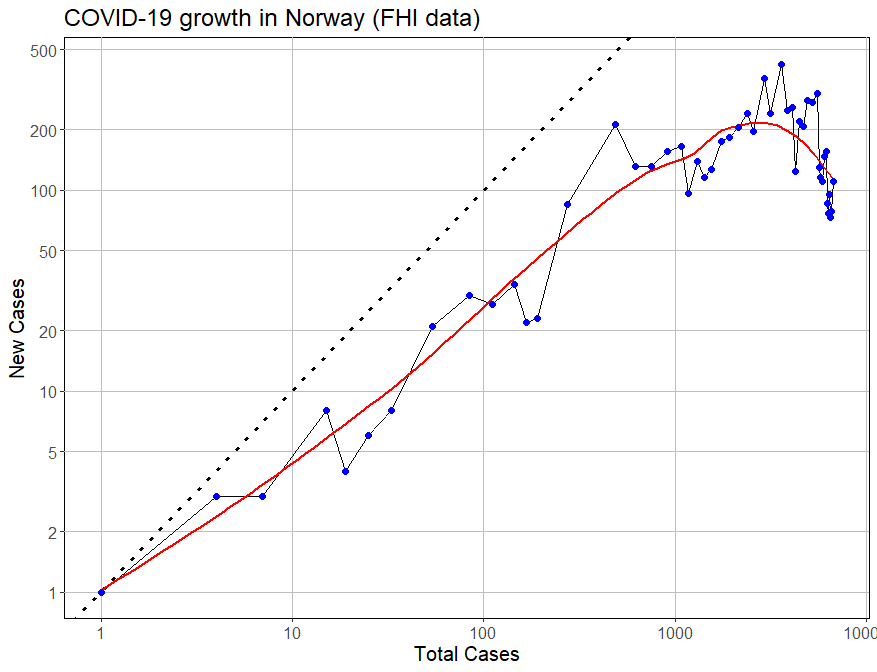
The COVID-19 pandemic reached Norway when the first confirmed case was reported on 26 February 2020. The country experienced a rapid rise in cases during March 2020 and implemented broad public-health actions to slow transmission. Responses combined national guidance, regional measures and legal instruments to manage healthcare capacity and protect vulnerable groups.
Image gallery
6 Images



Timeline and early response
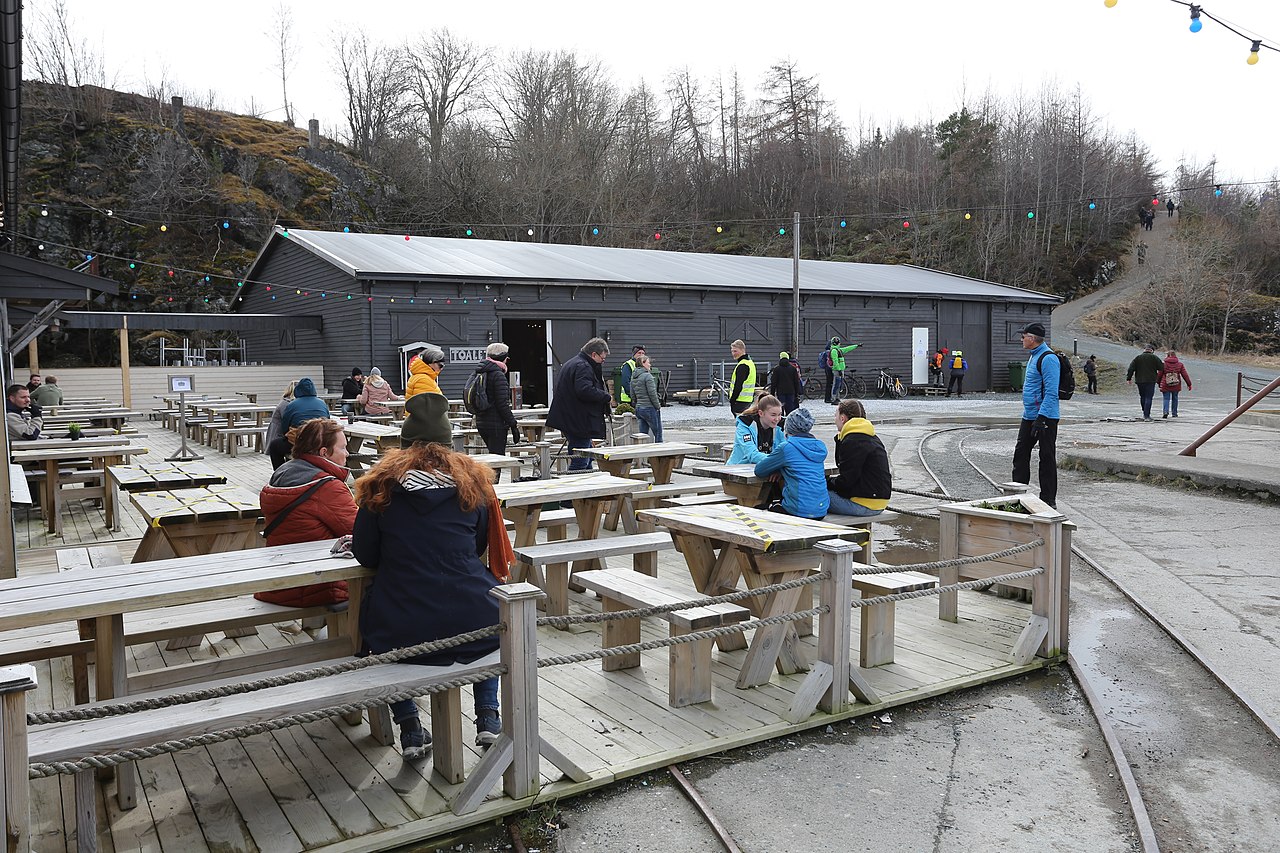
After the initial case in late February, authorities moved quickly to introduce social distancing and restrictions. On 12 March 2020 the government announced decisive measures including limits on gatherings, closures or partial closures of schools and certain businesses, and recommendations for remote work. Border controls, testing expansion and contact tracing were stepped up in the following weeks.
Public-health measures
Norway used a mix of strategies to contain the virus while maintaining essential services. Typical measures included:
- Personal hygiene, mask guidance and physical distancing
- Testing, isolation of cases and tracing of contacts
- Restrictions on travel and public events, with periodic tightening or easing according to local incidence
- Targeted protection of long-term care facilities and older adults
Vaccination and variants
Vaccination campaigns began in Europe in late 2020 and Norway started immunising priority groups soon after vaccines became available. Over time the program expanded to cover most adults. Like other countries, Norway confronted successive variants such as Alpha, Delta and Omicron, which influenced policy adjustments, booster campaigns and testing strategies.
Impact and legacy
The pandemic had broad effects on public health, the economy and daily life. Healthcare services adapted to surges in demand, elective care was postponed at times, and education moved to remote formats during peaks. The government introduced relief measures for businesses and workers. Long-term consequences include renewed focus on pandemic preparedness, digitalisation of services, and public debate about balancing restrictions with individual freedoms.
Further information
For background on the broader global pandemic see international summaries, and for official Norwegian guidance consult national health authorities and government pages at Norwegian sources.
Related articles
Author
AlegsaOnline.com COVID-19 pandemic in Norway Leandro Alegsa
URL: https://en.alegsaonline.com/art/23792