
Courtship (romantic selection and relationship-building)
Courtship is the period when two people explore compatibility and commitment. Practices range from informal dating to formal, family-approved arrangements and vary widely across cultures and history.
Courtship describes the period in which two people intentionally explore a romantic relationship with an eye toward long-term commitment. In many contexts it is the stage between initial acquaintance and an engagement or marriage decision, but its shape and social significance differ widely. Some couples treat courtship as a private, conversational process between partners; others follow more public or ritualised patterns that involve families, communities, or religious authorities. The word highlights intentionality: partners typically assess compatibility, values, and future plans rather than meeting for purely casual reasons. relationship
Image gallery
10 Images




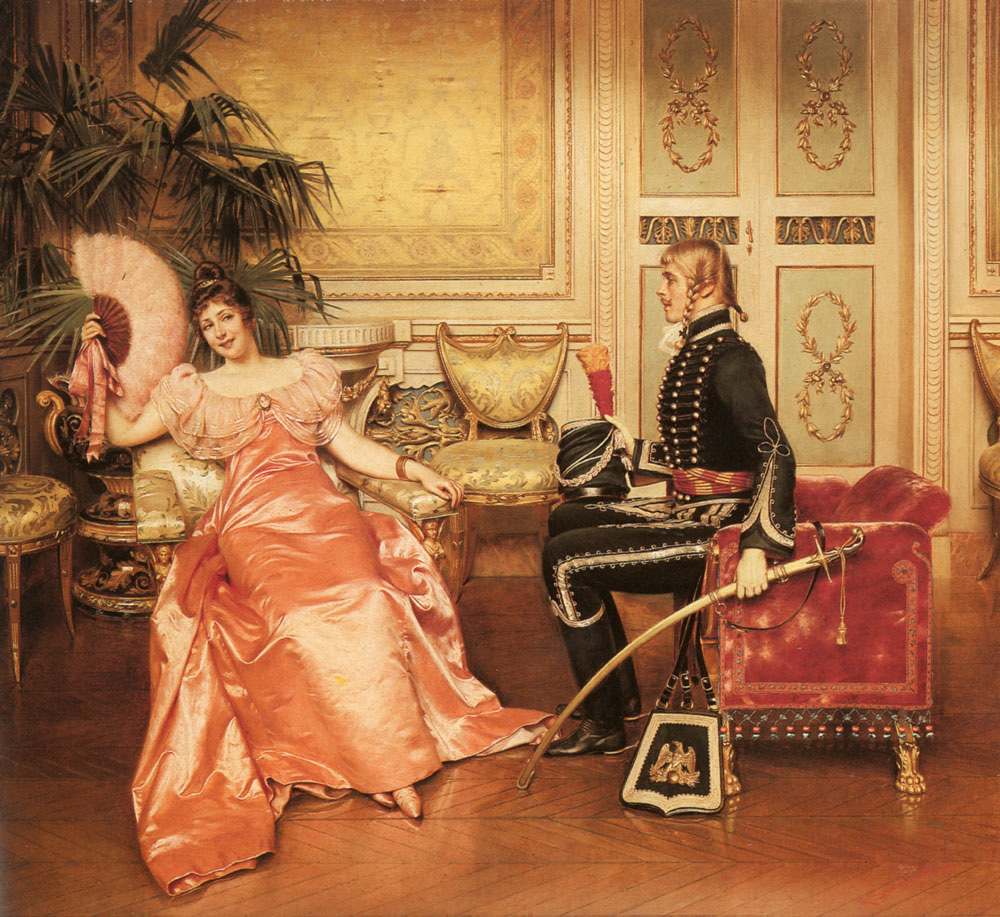
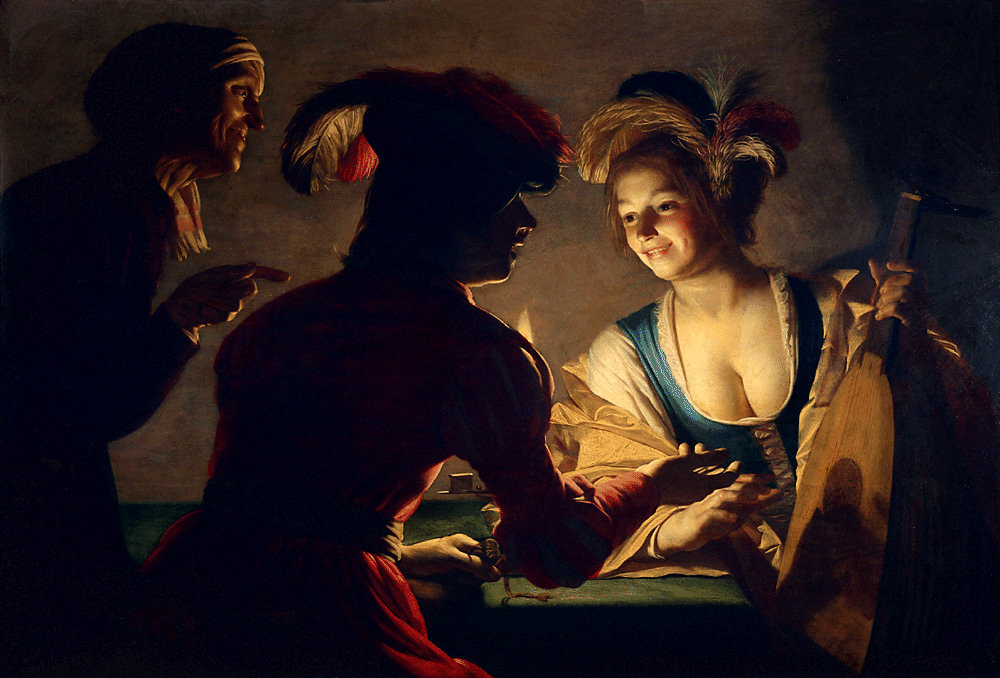

Forms and common features
Courtship can take many forms. Informal modern courtship often overlaps with dating: shared activities, conversations about life goals, and increasingly digital communication. Traditional courtship may impose rules about chaperoning, parental involvement, or staged introductions. In some cultures courtship is replaced or supplemented by arranged marriage systems, where families negotiate partners and compatibility is assessed differently. These approaches differ in who initiates contact, the expected duration of the process, and whether sexual intimacy is acceptable before formal commitment. arranged marriage
Typical components
- Getting acquainted: learning about background, education, beliefs, and temperament.
- Evaluating compatibility: discussing values, finances, children, religion, and lifestyle.
- Social approval: involving friends or family to varying extents.
- Decision point: an outcome such as continued partnership, engagement, or amicable separation.
Historical and cultural development
Historically, courtship and the social rules that governed it have shifted with economic, legal, and religious change. In many pre-industrial societies, courtship was tightly regulated because marriages connected households and property. The 19th and early 20th centuries in Western countries promoted courtship rituals oriented toward finding a suitable spouse, often under family supervision. With urbanisation, expanded mobility, and changing gender roles, twentieth-century dating cultures made courtship more individualised. Some religious traditions retain formal courtship practices that emphasise purity, family consent, or community oversight. traditional Christian communities
Modern trends and research
Contemporary research finds diverse patterns: in some regions people delay long-term commitments, while in others the interval between first meeting and engagement remains relatively short. Surveys and demographic studies explore how courtship length, frequency of marriage, and attitudes toward premarital intimacy have changed over time. These studies help explain broader social trends such as declining marriage rates in some countries and the rise of nonmarital cohabitation or childbearing in others. For examples of such research, see selected national surveys and proposal-timing studies. United Kingdom study, proposal timing study, recent demographic research
Importance and distinctions
Understanding courtship matters because it shapes how people choose partners, form families, and transmit cultural values across generations. Distinctions to note include the difference between casual dating and intentional courtship, the role of family or community in partner selection, and legal or religious constraints that may influence behaviour. While some view courtship as an outdated ritual, others intentionally adopt its principles—clarity of purpose, open discussion about future plans, and involvement of trusted advisers—to build stable relationships.
See also: relationship | arranged marriage | survey summaries | proposal timing | religious perspectives | demographic trends
Questions and answers
Q: What is a courtship?
A: A courtship is a period of time in the relationship between two people where they get to know each other and decide if they want to move forward with an engagement, marriage or other agreement.
Q: How does the average length of a courtship vary around the world?
A: The average length of a courtship varies quite a bit around the world. In some cases it may be omitted entirely, such as in arranged marriages, while in others it can last for several years.
Q: What was expected during courting in the 1800s?
A: In the 1800s, young adults were expected to court with the intention of finding a marriage partner rather than for social reasons.
Q: What has been found about marriage rates today?
A: Research has found that marriage rates have dropped significantly and there are fewer people getting married and practicing premarital sex. Many families are started with children before marriage.
Q: Are traditions still followed when it comes to courting relationships?
A: While many consider traditional courting practices to be things of the past, there are still many people who follow them for their relationships.
Q: How long did couples wait on average between first meeting and an accepted proposal according to one poll conducted in the UK?
A: According to one poll conducted in the UK involving over 3,000 engaged or married couples, on average couples waited two years and eleven months between first meeting and an accepted proposal. Women felt ready to accept at an average of two years and seven months.
Q: Is premarital sex common among those who practice traditional courting methods?
A: Pre-marital sex is not typically practiced by those who follow traditional courting methods as these usually involve waiting until marriage before engaging in sexual activities.
Related articles
Author
AlegsaOnline.com Courtship (romantic selection and relationship-building) Leandro Alegsa
URL: https://en.alegsaonline.com/art/23656
Sources
- marieclaire.co.uk : "Average Man Proposes after Three Years"