
Cornflower (Centaurea cyanus) — bachelor's button
Cornflower (Centaurea cyanus) is an annual European wildflower widely grown as an ornamental and valued for its vivid blue blooms, garden uses, cultural symbolism and ecological role.
Overview
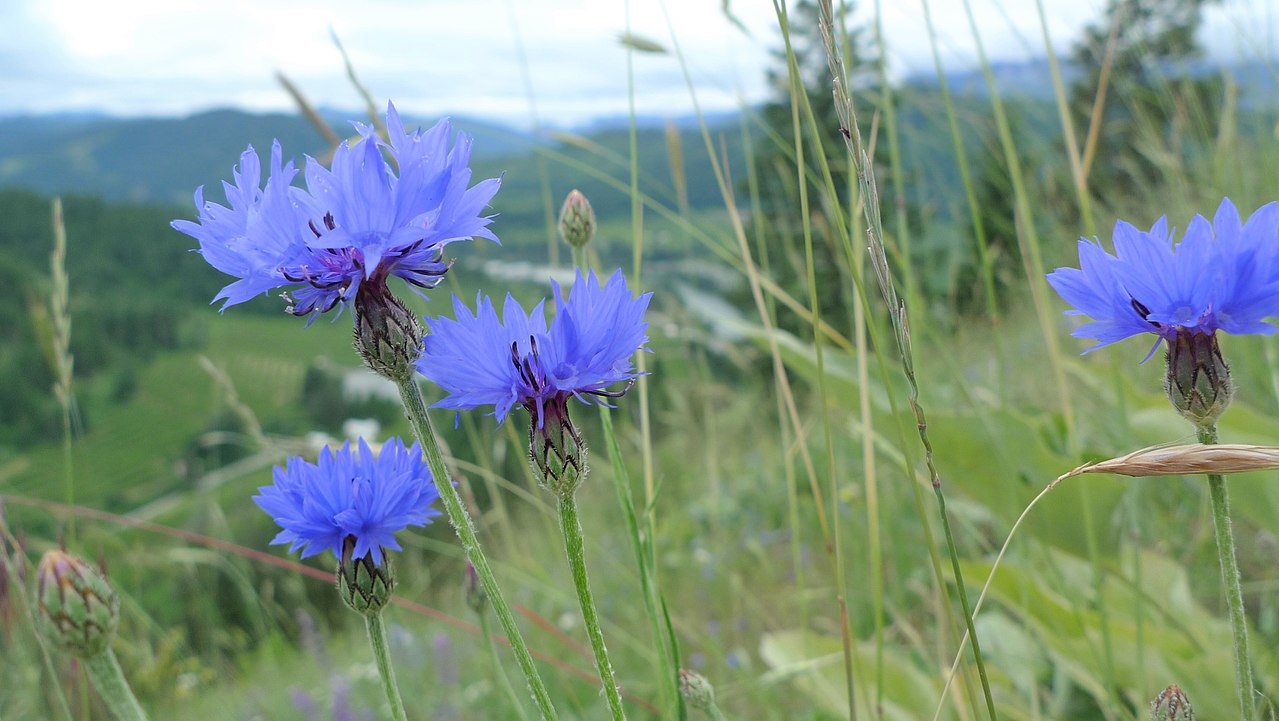
The cornflower (Centaurea cyanus), commonly known as bachelor's button or basket flower, is a small annual in the daisy family grown for its showy flower heads. Native to temperate regions of Europe, it is now widely cultivated and has become naturalized in many other regions. The species is noted for a distinctive clear blue form that gave rise to the name "cornflower blue." For more technical information see a species profile: Cornflower details.
Image gallery
10 Images






Description and characteristics
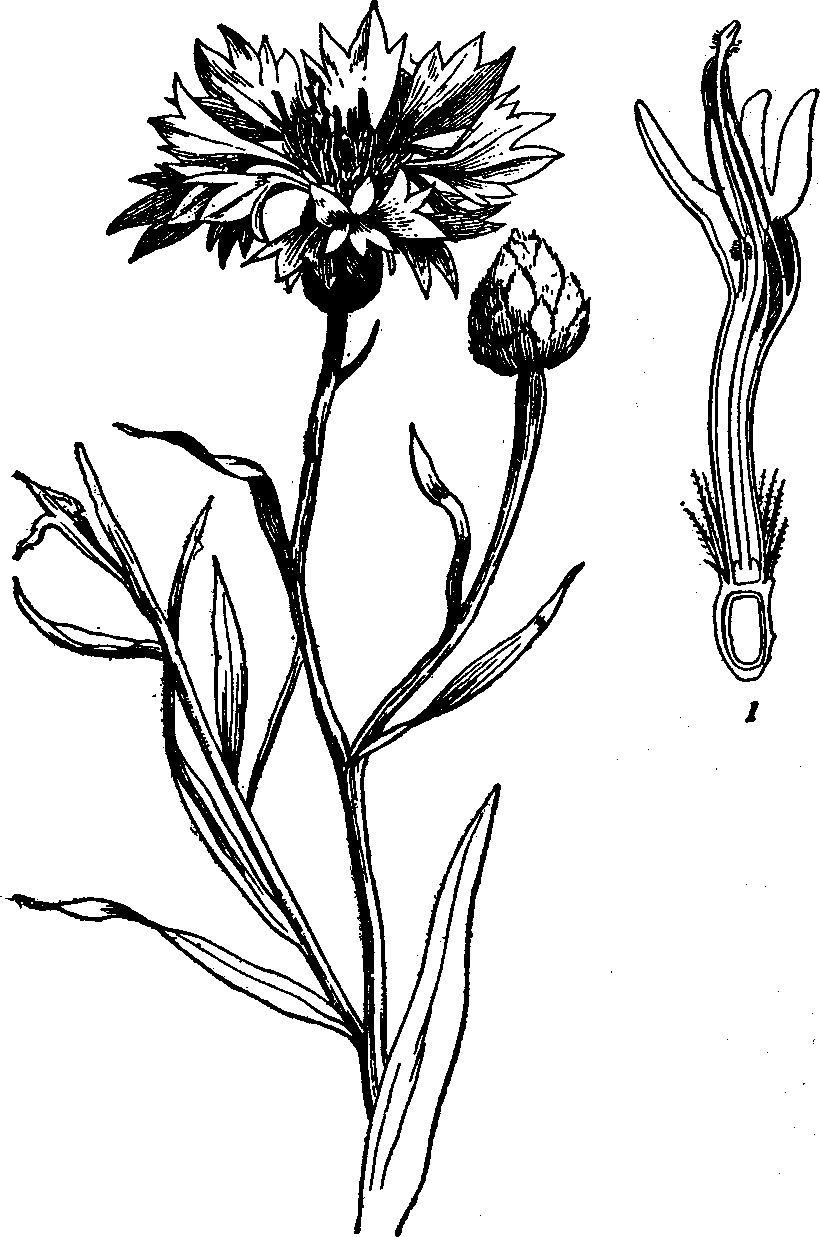
Cornflower plants produce slender, often branching stems topped by solitary flower heads composed of numerous florets. Leaves are narrow and lance-shaped. Typical height ranges from low to medium for garden annuals. While the wild form is usually a vivid blue, gardeners have selected cultivars in white, pink, purple and other pastel shades.
History and distribution
Originally associated with cereal fields and marginal habitats across Europe, the cornflower has been associated with rural landscapes for centuries. It spread beyond its native range through cultivation and accidental introduction and is now found in parts of North America, Australia and other temperate zones. It belongs to the family Asteraceae and is often recorded in floras of cultivated and disturbed sites. Its European origin is widely acknowledged: native range details.
Cultivation and uses
Cornflower is primarily grown as an ornamental for borders, cottage gardens and wildflower meadows. It is easy to grow from seed and flowers within a single season. Common garden uses include:
- Cut flowers and dried arrangements
- Pollinator-friendly plantings that attract bees and butterflies
- Edible petals used as a colorful garnish in salads and confectionery
- Traditional herbal and cosmetic applications in some cultures
Ecology, status and notable facts
The cornflower can naturalize outside cultivation and in some areas is considered an introduced or invasive plant because it readily colonizes open ground. It is often grown to support pollinators and to add long-lasting color to seasonal displays. Several Centaurea species are similar in appearance and may hybridize or be confused with C. cyanus. In Australia the species has been introduced and established in disturbed habitats: regional notes.
Cultural significance
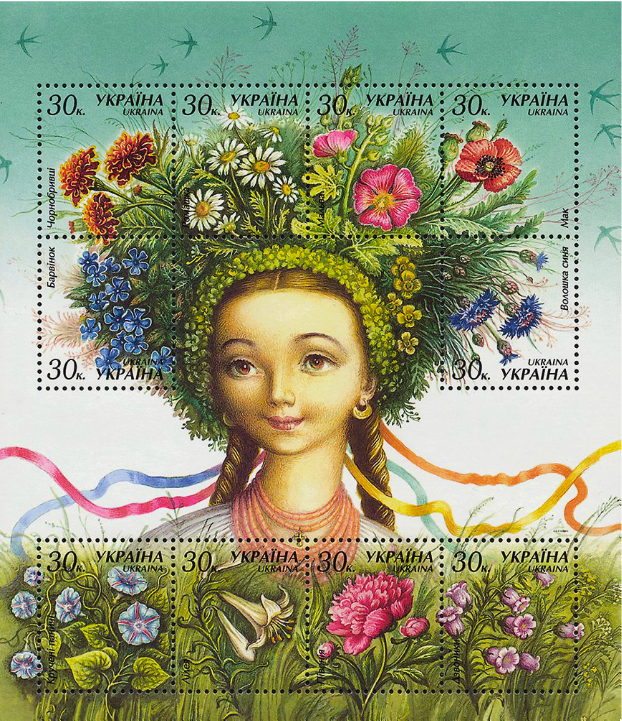
The cornflower has long held symbolic and decorative value, appearing in folk dress, bouquets and as a color name in art and fashion. The plant's clear blue form has been especially prized and continues to influence garden selections and cultivar breeding worldwide.
Related articles
Author
AlegsaOnline.com Cornflower (Centaurea cyanus) — bachelor's button Leandro Alegsa
URL: https://en.alegsaonline.com/art/23150