
Crassulaceae — the orpine (succulent) family of flowering plants
Crassulaceae, the orpine family, comprises about 1,400 mostly succulent species in ~33 genera. Widely distributed, they are adapted to dry or cold habitats and are important in horticulture and ecological studies.
Overview
The Crassulaceae, commonly called the orpine or stonecrop family, is a group of flowering plants known for their succulent leaves that store water. Members occur around the world but are most diverse in temperate regions of the Northern Hemisphere and in southern Africa. The family contains about 1,400 species distributed among roughly 33 genera and includes many familiar garden and houseplants.
Image gallery
10 Images



Key characteristics
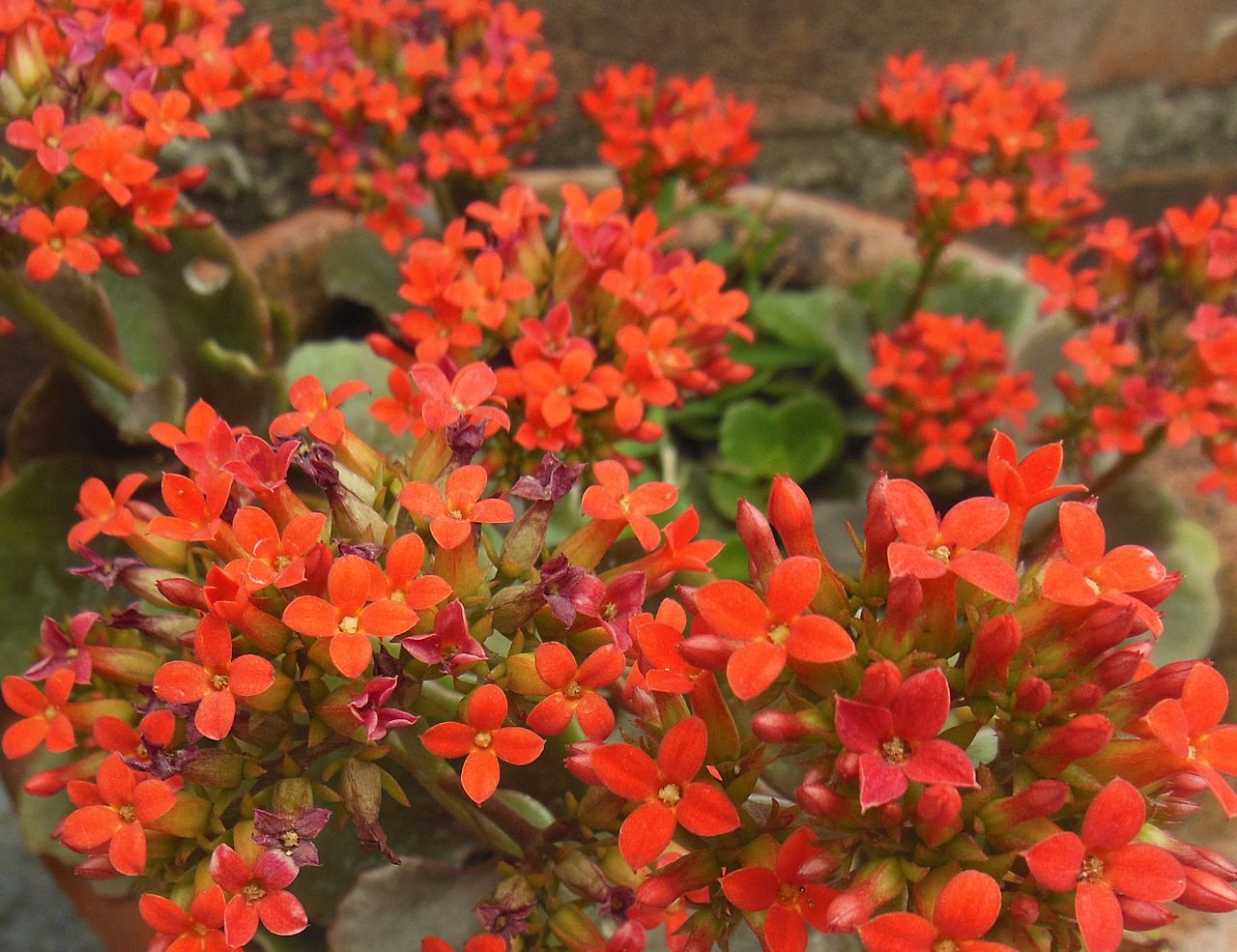
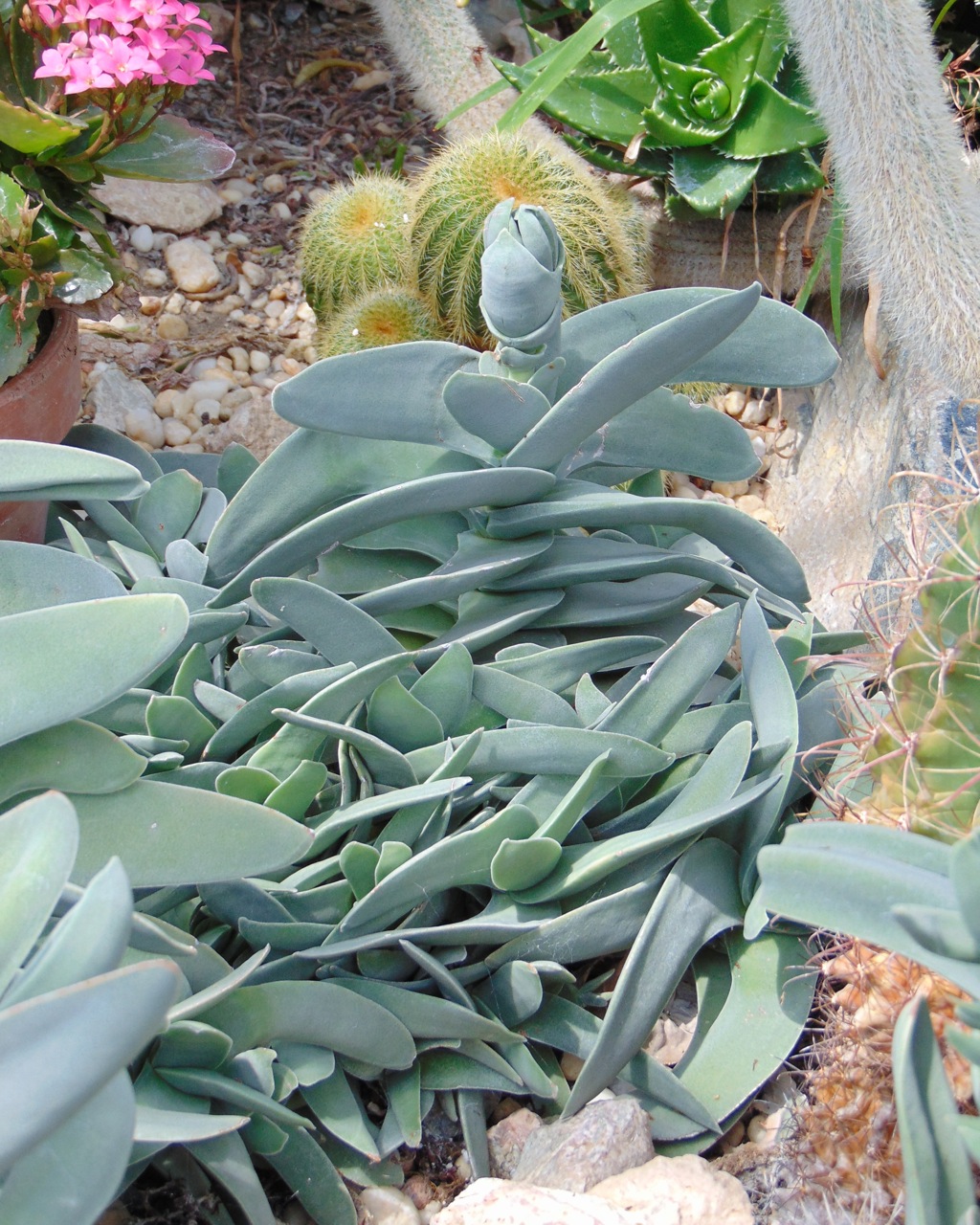
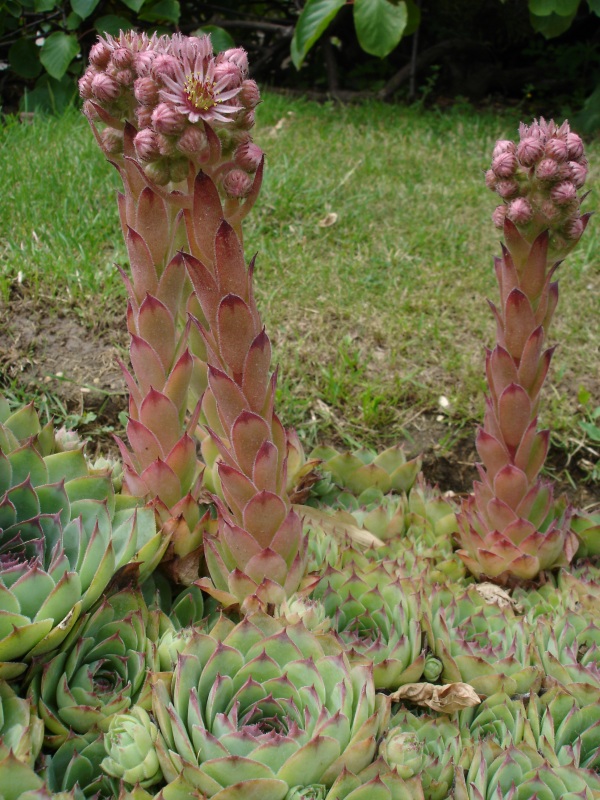
Crassulaceae species vary from small mat-forming herbs to shrubs. Typical traits include thick, fleshy leaves, stems that may be succulent or woody, and compact growth forms such as rosettes. Flowers are often produced in clusters and can be showy; many species have star-shaped or tubular blossoms that attract pollinators. A distinctive physiological feature of many members is the use of Crassulacean acid metabolism (CAM), a water-conserving photosynthetic pathway that allows stomata to open at night.
Taxonomy and history
The family name derives from the genus Crassula, from Latin crassus meaning thick, a reference to succulent tissues. Modern classification places Crassulaceae within the order Saxifragales. Botanists have long studied the family for its variety of growth forms and its evolutionary adaptations to drought-prone environments.
Genera and notable examples
- Sedum — many stonecrops used in rock gardens and green roofs.
- Crassula — includes popular houseplants like the jade plant.
- Echeveria, Aeonium and Kalanchoe — well known in cultivation for attractive rosettes and flowers.
- Sempervivum — hardy rosette plants often used in alpine plantings.
Uses and ecological importance
Members of the Crassulaceae are widely used in horticulture for ornamental planting, rock gardens, container culture and indoor greenery because of their drought tolerance and sculptural forms. Ecologically, they occupy niches where water is limited—rock outcrops, thin soils, and cold alpine or desert margins—and their CAM metabolism is often cited in studies of plant adaptation to arid conditions.
Distinctions and notable facts
Although succulence appears in many plant families, Crassulaceae are distinct from other succulent groups such as cacti (Cactaceae) or some Euphorbiaceae by a combination of floral structure, geographical distribution, and evolutionary relationships. The term "Crassulacean acid metabolism" (CAM) is named after this family because it was first characterized in several of its members. For additional botanical context see dicotyledons and consultations on regional floras of the Northern Hemisphere.
Overall, Crassulaceae represent a successful evolutionary experiment in water conservation and diversification, valued by gardeners and scientists alike for their resilience and variety.
Related articles
Author
AlegsaOnline.com Crassulaceae — the orpine (succulent) family of flowering plants Leandro Alegsa
URL: https://en.alegsaonline.com/art/23995