
Cork (city) — Ireland's southern port and cultural centre
Cork is a historic city in County Cork, Ireland. It is the Republic's second-largest city, built on the River Lee and known for its universities, cathedrals, port, and sporting traditions.
Overview
Cork is a city in County Cork in Ireland. It is the second-largest city in the Republic of Ireland (after Dublin) and, on the island of Ireland, is one of the three largest urban centres alongside Belfast. The city grew up around a river crossing and port and today combines historic neighbourhoods with modern commercial and cultural life. The urban area has roughly a quarter of a million inhabitants when surrounding suburbs and docks are included.
Image gallery
10 Images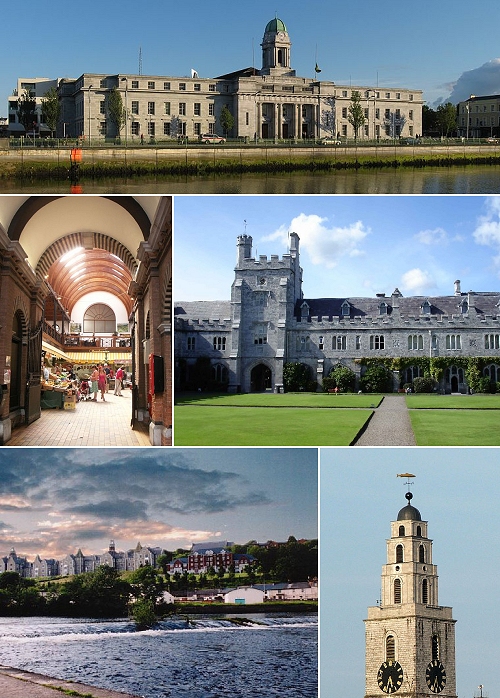


Geography and built character
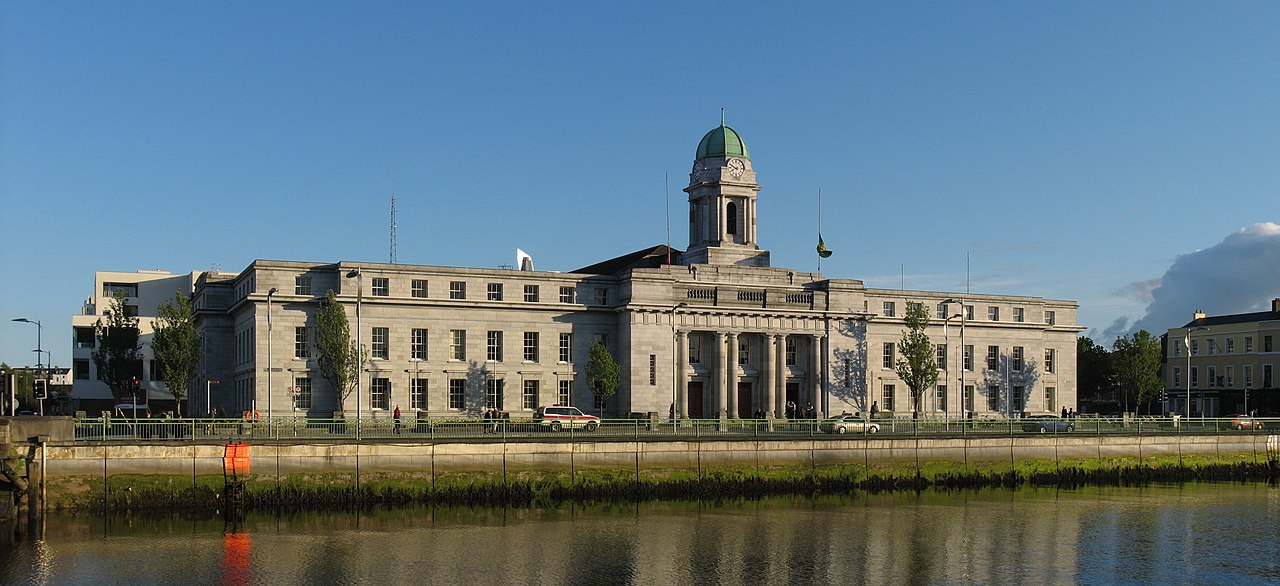
Cork is built on both banks of the River Lee, which splits into channels and forms islands through the central area. Its compact centre contains a mix of Georgian streets, Victorian civic buildings and contemporary developments. The city's harbour and quays link it to maritime trade and tourism, while suburban hills and parks provide views across the estuary and to the surrounding county.
Origins and history
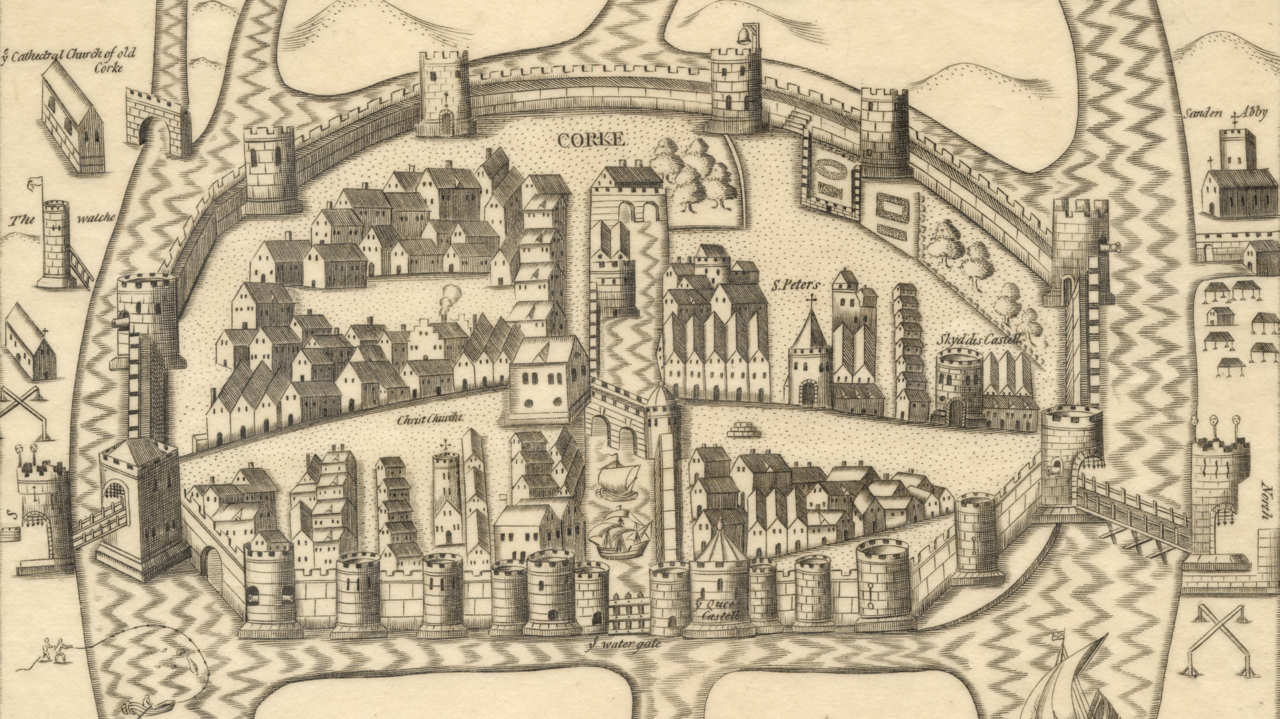
The site of Cork has been inhabited for many centuries. Tradition records that Saint Finbarr founded a monastic settlement in the sixth century, which later became a focal point for settlement. Over time Cork developed as a medieval trading town and later as an important port in the trading networks of Ireland and Britain. Its history includes mercantile growth, periods of conflict and rebuilding, and the gradual expansion of industry and education through the 18th to 20th centuries.
Landmarks and culture
Cork contains many sites of local and national interest. Key landmarks include:
- Saint Fin Barre's Cathedral, a notable Victorian cathedral in the city centre.
- The Shandon area, with the well-known church tower and bells that overlook the city.
- Historic port and quays, and waterfront promenades used for festivals and markets.
- Blackrock Castle, Fota Wildlife Park and Fota House and Gardens, which are popular for family visits and conservation work.
Education, economy and civic life
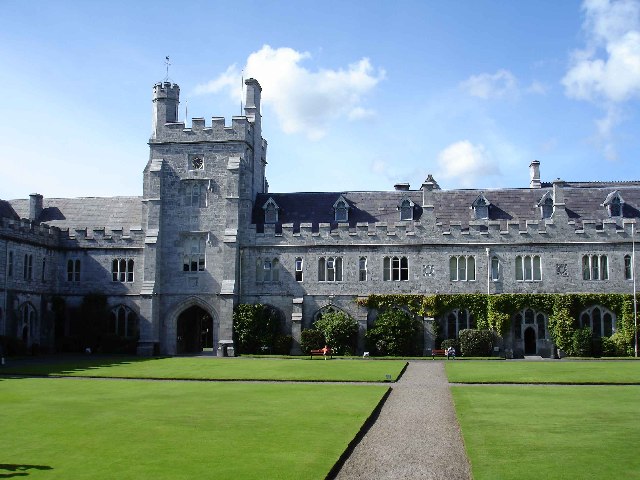
The city hosts important educational and cultural institutions such as University College Cork, which contributes to research, arts and student life. Cork's economy blends services, technology, manufacturing and maritime activities. Annual events, theatres, music venues and vibrant food scenes make the city a cultural hub for the southwest of the country.
Sport, people and local identity
Cork has a strong sporting tradition and has produced well-known athletes. The region is associated with Gaelic games, football and athletics. Many notable sports figures have roots in the area—both local heroes and national stars. For information on Cork's sporting culture see sports references. Examples of individuals with links to the city and county include Roy Keane and famed hurler Christy Ring; the Olympic runner Sonia O'Sullivan grew up in Cobh, a town on Cork Harbour.
People from the city are often called Corkonians and the place is known for a distinct local dialect, civic pride, and a history of seafaring and trade that shapes its character today.
Related articles
Author
AlegsaOnline.com Cork (city) — Ireland's southern port and cultural centre Leandro Alegsa
URL: https://en.alegsaonline.com/art/23093
Sources
- corkcity.ie : "Cork City Council > Cork's Cultural Heritage"