
Cop Killer (song)
“Cop Killer” is a protest song by Body Count (fronted by Ice‑T) from their 1992 debut. Its violent first‑person lyrics and critique of police brutality sparked wide controversy, debate and industry backlash.
Overview
"Cop Killer" is a song recorded by the heavy metal/rock band Body Count, whose lead vocalist is the rapper Ice‑T. Released on the band's 1992 self‑titled album, the track is narrated in the first person and expresses rage at police brutality and perceived failures of the criminal justice system. The song was described by its writer as a protest piece rather than a literal instruction.
Image gallery
1 Image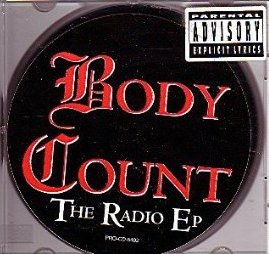
Lyrics and musical characteristics
The lyrics adopt a confrontational, first‑person voice that describes retaliatory violence against law enforcement. That perspective, and the graphic language used, are central to why the track attracted attention. Musically, the song blends elements of hard rock and heavy metal with a punk attitude, reflecting the band's crossover of rap, rock and metal traditions. For readers interested in the words, see the lyrics.
Context, influences and composition
Body Count emerged from the early 1990s climate of heightened public debate about police conduct and urban violence. Ice‑T has discussed rock and punk influences on the band’s sound and on individual songs; commentators have noted the cross‑genre approach that informed the writing and arrangement. The track frames personal retributive action as a response to systemic problems and uses stark imagery to make that point; it has been described by its creator as a form of protest against police abuse rather than an endorsement of violence as policy. See more about stated influences.
Release, controversy and responses
Upon release the song provoked strong reactions from law‑enforcement groups, politicians, some radio programmers, and parts of the public. Critics argued it glorified violence against officers; defenders cited artistic expression and the role of music in exposing social grievances. The public debate included calls for boycotts and pressure on the record company. The dispute raised wider questions about censorship, corporate responsibility, and the limits of protest in popular music; some commentary focused on whether a violent narrative should be treated differently from other forms of political speech. The song’s message about taking the law into his own hands and its references to police officers were central to the controversy.
Legacy and notable facts
While the track remains one of the most disputed songs of the early 1990s, it also occupies an important place in discussions about music and social protest. It prompted industry decisions about distribution and reissues and helped focus public attention on the intersection of entertainment, politics and public safety. Scholars, critics and fans continue to cite it when examining how popular music confronts institutional power and how society balances free expression with public concern.
- Themes: protest, police brutality, free speech.
- Genres blended: heavy metal, punk attitude, rock and rap heritage.
- Further reading: press coverage and music history sources catalog the debate.
Related articles
Author
AlegsaOnline.com Cop Killer (song) Leandro Alegsa
URL: https://en.alegsaonline.com/art/22923
Sources
- escapimusic.com : "Body Count"