
Contemporary architecture: overview, characteristics, and development
An encyclopedic overview of contemporary architecture: its defining traits, historical development since the late 20th century, typical uses, and how it differs from modern and historic styles.
Overview
Contemporary architecture refers to buildings and spaces designed and built in the recent period and continuing into the present. It is both a temporal label — architecture being made now — and a loose stylistic category that can include a variety of approaches, materials and technologies. For a concise definition see definitions. Contemporary work often responds directly to current social needs, environmental concerns and available construction technologies.
Image gallery
2 Images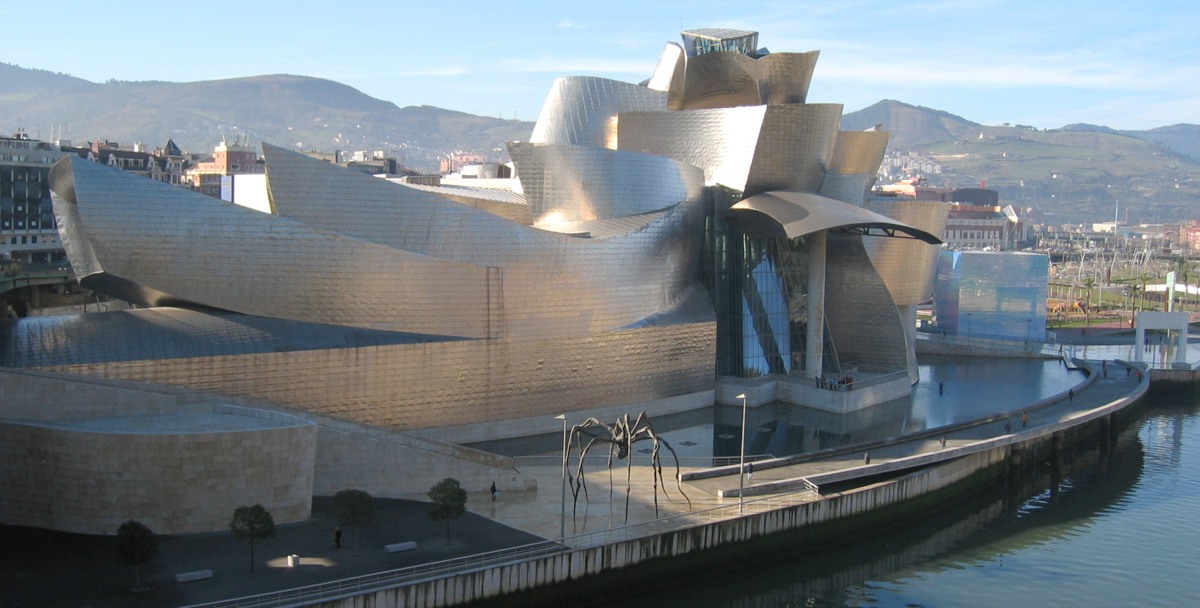

Key characteristics
There is no single visual formula for contemporary architecture, but several attributes recur across projects:
- Versatility: flexible plans and multi-use spaces tailored to occupants.
- Material diversity: combinations of glass, steel, engineered timber, concrete and composites.
- Technological integration: digital design, prefabrication and building performance analysis.
- Sustainability: attention to energy efficiency, passive strategies and lifecycle impacts.
- Context sensitivity: site-specific responses rather than rigid stylistic repetition.
Historical development
The term is often used to describe trends that emerged from the late 20th century onward, evolving through reactions to modernism, the pluralism of postmodernism, and the rise of high-tech and minimal approaches. Since the 1980s many practitioners began to combine expressive forms with new structural and digital methods; summaries of that era are discussed in sources marked 1980s. Rather than a single movement, contemporary architecture is better understood as a field shaped by changing materials, codes, and cultural priorities.
Uses and examples
Contemporary design appears across building types: housing, offices, cultural buildings, transport hubs and public realm improvements. Projects often emphasize occupant well‑being, adaptability and connectivity to urban systems. For curated examples and recent projects see examples. Architects typically balance aesthetic goals with practical performance and client needs — sometimes described as an optimization for user needs.
Distinctions and notable facts
Contemporary architecture differs from early 20th‑century modernism by its pluralism: rather than adhering to a single doctrine, it embraces diverse strategies and technologies. Notable trends include parametric design, advanced glazing systems, mass timber construction and an increased focus on resilience and carbon reduction. The category remains open-ended, reflecting rapid change in materials, practice and societal priorities.
Further reading and project galleries can help illustrate the range of contemporary approaches and how they are applied in different climates and cultural contexts.
Related articles
Author
AlegsaOnline.com Contemporary architecture: overview, characteristics, and development Leandro Alegsa
URL: https://en.alegsaonline.com/art/22731