
Constitutional Union Party (United States, 1860)
Short-lived centrist American party in 1860 that sought to preserve the Union and the Constitution by uniting former Whigs, Know-Nothings and moderate Southerners; ran the Bell–Everett ticket.
The Constitutional Union Party was a short-lived political coalition formed in the United States in 1860. It gathered politicians and voters who rejected the sharp sectionalism of the period and who placed preservation of the Union and respect for the Constitution above sectional programs. Its supporters included many former members of the Whig Party and of the nativist Know-Nothing movement, as well as moderate Southerners who opposed immediate secession.
Image gallery
7 Images



Origins and composition
The coalition grew out of the collapse of older party structures in the 1850s and the realignment that followed. Rather than adopting an expansive policy platform, the group emphasized national unity and the peaceful resolution of constitutional disputes. Members sought to provide an option for voters unwilling to join the new Republican Party or either faction of the Democrats. The party appealed particularly to voters in border states and to former Whigs who valued institutional continuity.
Platform and message
The party intentionally kept its public program short and nonsectarian. It urged the enforcement of existing laws and the maintenance of the Union while avoiding explicit national positions on the expansion of slavery. The message stressed compromise, the rule of law, and adherence to the Constitution as a means to prevent disintegration of the republic.
The 1860 election
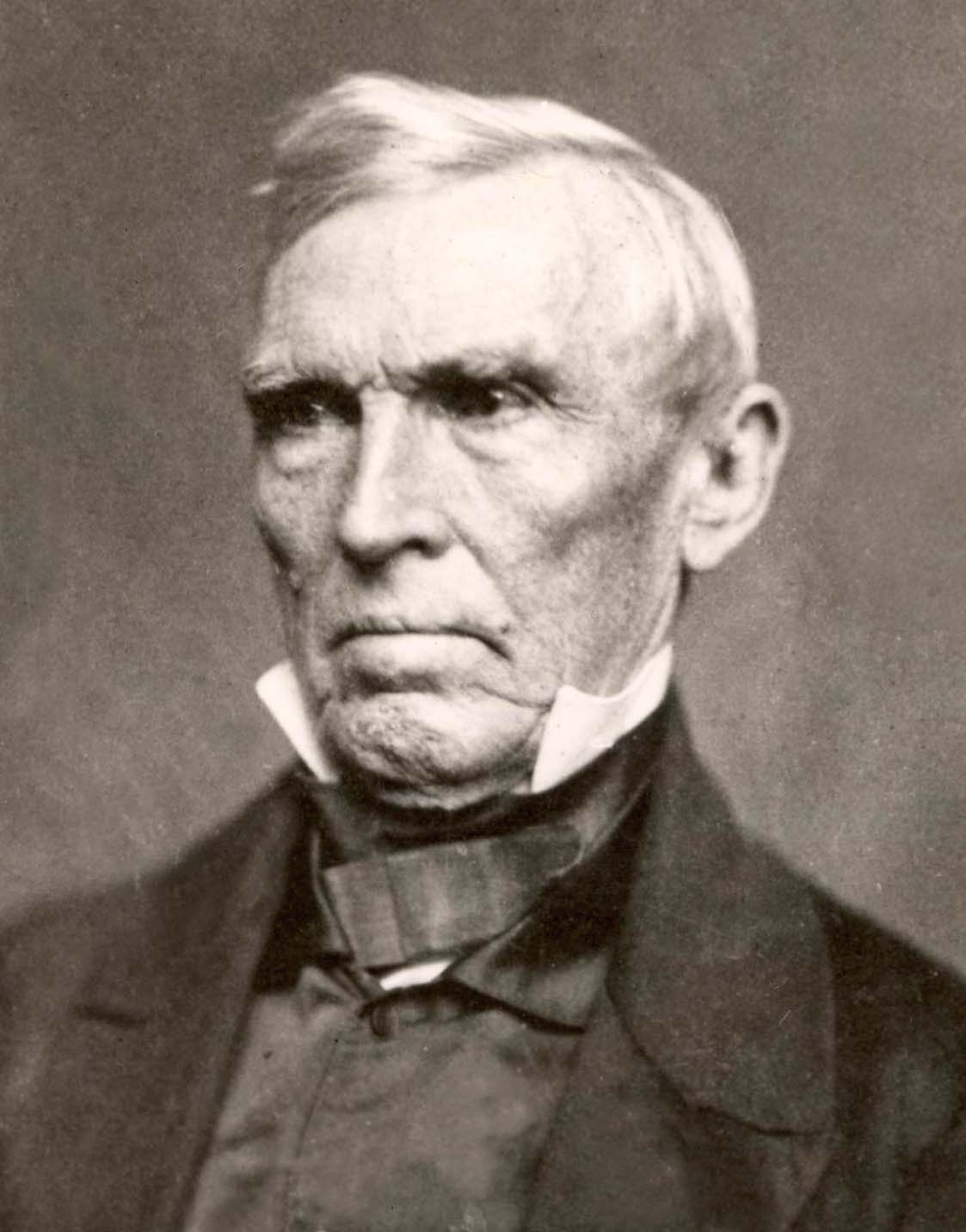
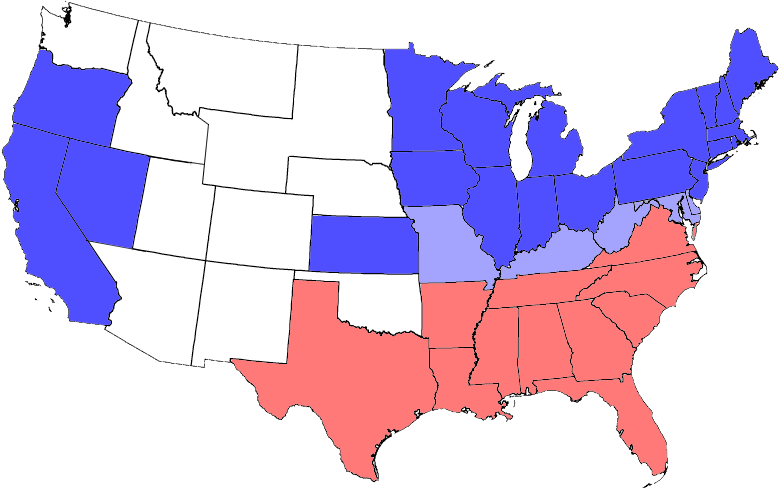
In the 1860 presidential contest the party nominated John Bell for president and Edward Everett for vice-president. The ticket offered voters a third alternative in a four-way race and attracted a notable minority of the popular vote — roughly one-eighth — mainly in the South and the border states. The campaign is often studied as part of the broader story of the 1860 election and the political choices facing the nation on the eve of the Civil War.
Dissolution and legacy
After the election and the onset of secession by several Southern states, the party’s national structure largely dissolved. Some adherents became Unionists who supported the federal government during the war, while others migrated back into established party labels as political circumstances changed. Historians view the Constitutional Union movement as a final effort by moderates to avert sectional conflict through appeals to legality and compromise rather than through force.
Notable associations and further reading
- Many members were ex-Whigs seeking a nonsectarian alternative (Whigs).
- Some former Know-Nothing politicians and voters joined the coalition (Know-Nothings).
- The party’s national ticket included John Bell and Edward Everett, both of whom emphasized unionist themes.
For contemporary accounts and modern summaries see primary documents and surveys of the period (contemporary accounts), and studies of mid‑19th century political realignment and the lead‑up to the Civil War for broader context.
Related articles
Author
AlegsaOnline.com Constitutional Union Party (United States, 1860) Leandro Alegsa
URL: https://en.alegsaonline.com/art/22693