
Indian Constitution: Origins, Structure, Fundamental Rights, and Amendment Principles
Overview of the Indian Constitution: its drafting, federal-parliamentary structure, enforceable fundamental rights, directive principles, independent judiciary, amendment process and the basic-structure doctrine
The Constitution of India is the highest legal document governing the Republic of India. A Constitution establishes the structure, powers, and duties of state institutions and sets out the rights and obligations of citizens. India’s constitution provides the basic framework for the country’s political system, public law, and administration.
Image gallery
7 Images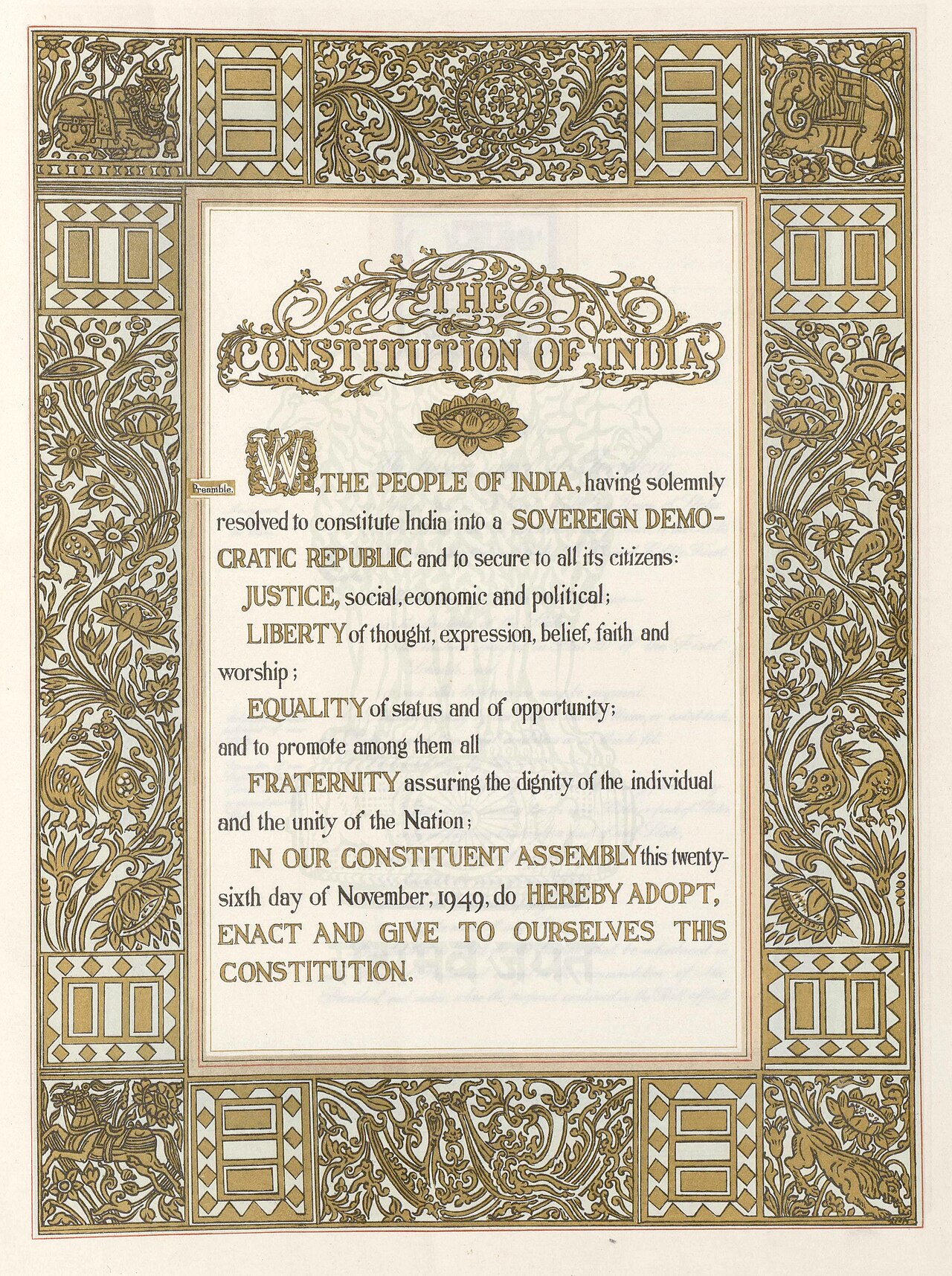




Creation and enactment
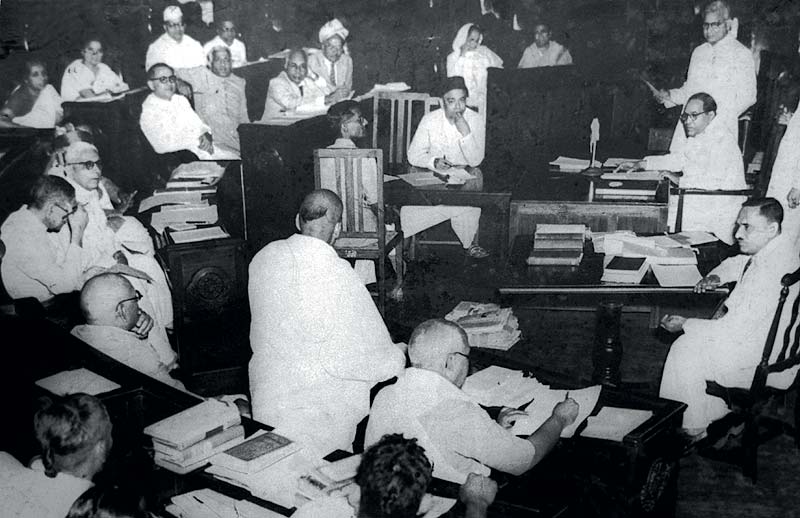
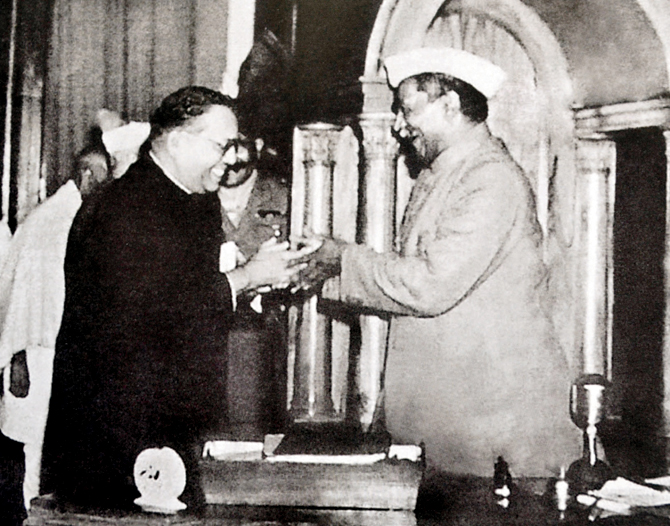
The constitution was drafted by the Constituent Assembly, which included representatives from across the country and met after independence to prepare a written charter. The Assembly adopted the text on 26 November 1949; the document came into force on 26 January 1950, the date now celebrated each year as Republic Day. The drafting process took nearly three years and was led by prominent leaders and jurists.
Structure and scope
At the time it was adopted, the constitution comprised several hundred articles organised into parts and schedules. Over subsequent decades it has been amended many times; those amendments have altered and expanded its provisions, reorganised parts, and increased the number of schedules. The constitution is widely regarded as one of the longest written national constitutions in existence.
Principal features
- Federal system with a strong centre — the document distributes responsibilities between the central government and state governments while preserving a unitary bias in certain areas.
- Parliamentary form of government — executive authority is drawn from and accountable to the legislature.
- Fundamental rights — a set of enforceable rights guaranteed to individuals, subject to reasonable restrictions laid down in the text.
- Directive principles of state policy — non-justiciable guidelines intended to inform lawmaking and governance.
- Independent judiciary — a court system empowered to interpret the constitution and review legislation and executive action.
Amendments and the "basic structure"
The constitution includes a procedure for amendment so that it can be updated over time. Judicial interpretation has shaped the limits of that process: in landmark rulings the Supreme Court held that while Parliament may amend most provisions, it cannot destroy the constitution’s essential framework or its “basic structure.” These decisions continue to influence debates about constitutional change.
Significance
The Constitution of India remains the foundational legal text for governance and public life in India. It balances the need for a durable legal order with mechanisms for change and adaptation, and it establishes the institutions through which democratic rule is exercised and protected.
Related articles
Author
AlegsaOnline.com Indian Constitution: Origins, Structure, Fundamental Rights, and Amendment Principles Leandro Alegsa
URL: https://en.alegsaonline.com/art/22673