
Constitution of the United Kingdom: structure, sources, and key features
An overview of the United Kingdom's uncodified constitution: its sources, characteristics, historical development, legal status, and contemporary significance.
Overview
The Constitution of the United Kingdom is the collection of laws, rules and practices that determine how the state is organised and how public power is exercised. It sets out the basic rights of individuals, the structure of government and the relationship between government institutions and the citizenry. Unlike many national constitutions, the UK does not have a single, consolidated constitutional document; its constitutional order is derived from multiple sources and traditions across centuries. For a concise description of the kinds of rules involved, see laws and rules that operate in the United Kingdom, while the general idea of the country's governing framework is often referred to as the constitution.
Image gallery
10 Images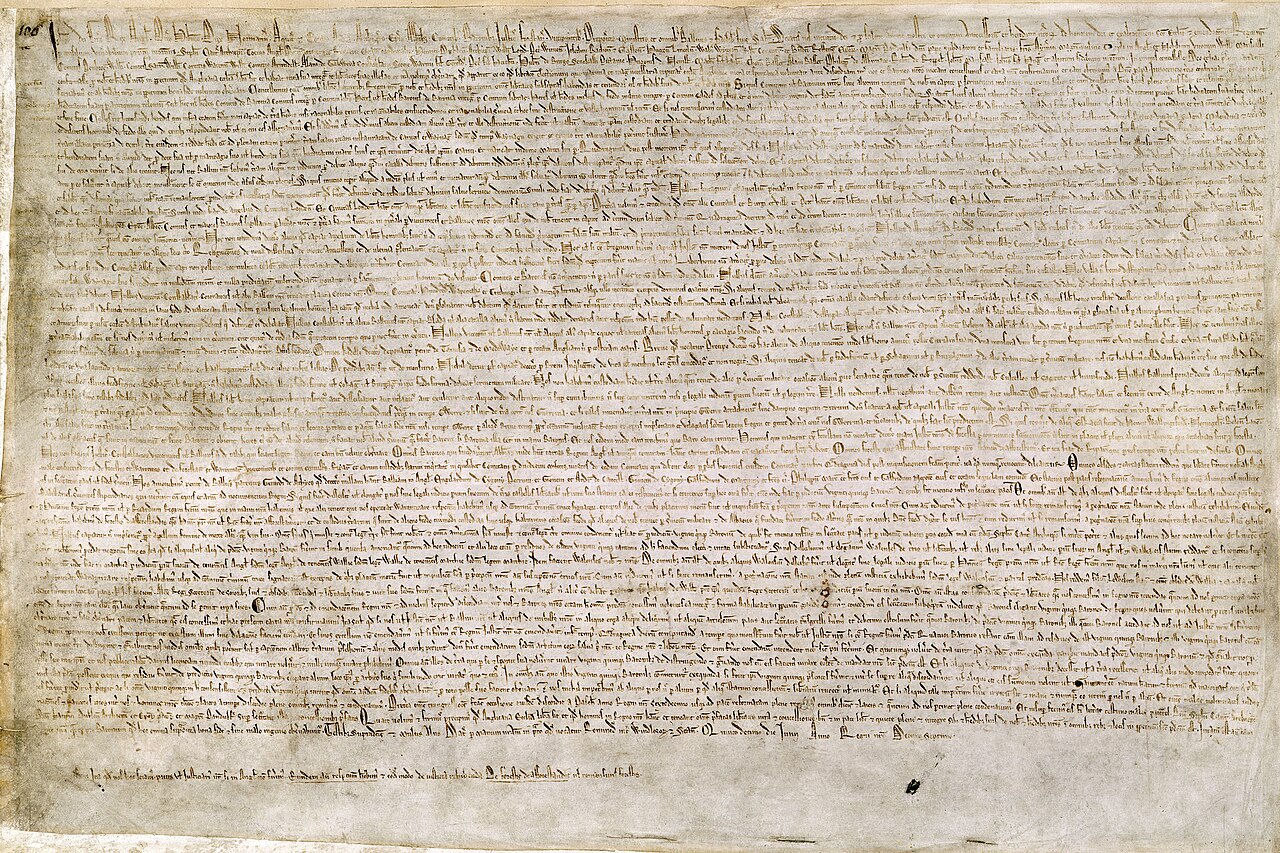





Main sources
The UK constitution draws on several distinct sources. Primary written sources include landmark statutes and parliamentary Acts stretching back many centuries. Important historical statutes such as the Magna Carta and the Bill of Rights remain influential in principle, and modern statutes continue to shape constitutional arrangements through Acts of Parliament. Judicial decisions form another central strand: principles established by judges and case law operate through the doctrine of legal precedence. Other recognised sources include constitutional conventions, works of authority and international agreements or treaties.
Characteristics and legal status
Because the constitution is not contained in a single entrenched text, it is often described as an "unwritten" or de facto constitution. That label can be misleading: much of the constitution is written down in statutes, statutes and court judgments, and principles from the law of equity and treaty obligations also play a role. A defining legal doctrine is parliamentary sovereignty: the UK Parliament in Westminster is legally supreme and can make or repeal any law, so there is no single higher constitutional law that is immune to ordinary legislation. The predominance of statute law means constitutional change can occur through regular legislative processes, enacted by Parliament.
Constitutional practices and institutions
Practical governance depends on a mixture of written rules and long-standing practices. Conventions govern actions such as the appointment of the prime minister, collective ministerial responsibility and the role of the monarch. The courts interpret and apply constitutional law where legal issues arise, relying on precedent and statutory construction. Over time, institutional developments—like the creation of the Supreme Court and the devolution of powers to Scotland, Wales and Northern Ireland—have altered the constitutional map, while international relationships and membership or withdrawal from supranational bodies have also had constitutional effects.
History and development
The constitution has evolved incrementally. Early documents and agreements set out limits on power and protections for subjects; later reforms established parliamentary procedures, civil liberties and administrative structures. Alongside statute and case law, constitutional conventions and political practices developed to fill gaps where legal rules were absent. Major modern interventions, including human rights legislation and devolution statutes, demonstrate how the constitution adapts through parliamentary law-making and judicial interpretation.
Uses, debates and notable features
The uncodified nature of the UK constitution gives it flexibility: it can be reformed through ordinary legislation and political negotiation. That flexibility is praised for allowing pragmatic change but criticised for offering less clarity and protection against abrupt alteration than a rigid, written constitution. Ongoing debates include calls for codification, enhanced protection of rights, clearer limits on executive power and reform of institutions. Understanding the constitution therefore requires attention to statutes, judicial decisions, political conventions and historic documents together rather than any single text.
Further information
- Constitutional statutes and historical charters: Magna Carta, Bill of Rights
- Parliamentary law-making and leading Acts: Acts of Parliament, role of Parliament
- Judicial sources and precedent: judges, court judgments, precedence
- Equity and treaties: equity, treaties
- Guides to constitutional terminology and practice: see general materials on laws and rules in the United Kingdom or introductory commentaries on the constitution.
Questions and answers
Q: What is the Constitution of the United Kingdom?
A: The Constitution of the United Kingdom is a set of laws and rules that govern how the country is organized and protect basic rights and freedoms for its people.
Q: Is the UK's constitution written in one single document?
A: No, it is not written in one single document like many other countries' constitutions are. It is not completely written down at all. Some parts can be found in writing, such as the Magna Carta of 1215 and Bill of Rights Act 1689, while other parts are considered common law made up from decisions by judges over hundreds of years.
Q: What do some people call the UK's constitution?
A: Some people refer to it as an "unwritten" or "de facto" constitution because most British laws and rules are written as statutes, court judgments, law of equity or treaties rather than being contained within one single document.
Q: Is it correct to call it "unwritten" or "de facto"?
A: No, because most of the constitution is written down in this way it is not technically correct to call it "unwritten" or "de facto". However, these words are still used.
Q: How does the UK's Constitution differ from other countries'?
A: The UK's Constitution differs from other countries' constitutions in that it does not have any higher authority than any other law in the country; meaning that government can change it just by passing a new Act.
Q: Who creates laws for Britain?
A: Laws for Britain come from Parliament of the United Kingdom.
Related articles
Author
AlegsaOnline.com Constitution of the United Kingdom: structure, sources, and key features Leandro Alegsa
URL: https://en.alegsaonline.com/art/22678
Sources
- ucl.ac.uk : "What is the UK Constitution?"