
Critical analysis: principles, methods, and applications
An introductory guide to critical analysis: what it is, core skills and methods, historical context, practical uses, and how it differs from summary or opinion.
Overview
Critical analysis is a disciplined process of examining claims, texts, arguments, events or artifacts to determine their meaning, validity and implications. Rather than simply repeating content, it breaks material into parts, assesses relationships among those parts, and evaluates the strength of evidence and reasoning behind conclusions.
Image gallery
2 Images
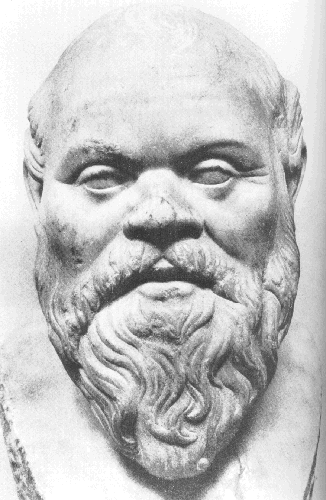
Core features and skills
Critical analysis combines observation, interpretation and judgment. Key components include careful close reading or scrutiny of details, identification of assumptions, assessment of evidence, logical evaluation of arguments, and clear presentation of findings. It requires intellectual traits such as curiosity, intellectual honesty, and openness to revision.
Origins and development
The practice has roots in ancient rhetoric and philosophy, where thinkers taught how to analyze arguments and test claims. Over centuries it evolved through disciplines—literary criticism, scientific method, legal reasoning—and into contemporary forms used in social sciences, humanities and professional practice.
Common methods
- Contextualization: place material within historical, cultural or disciplinary background.
- Decomposition: separate a work into its claims, evidence and assumptions.
- Comparison: contrast with other sources or perspectives.
- Evaluation: test arguments against logic, evidence and standards of the field.
Uses and examples
Critical analysis underpins academic essays, book and film critiques, policy reviews, investigative journalism and scientific peer review. For example, a literature student may analyze themes and narrative techniques, while a policy analyst assesses impacts, trade-offs and evidence supporting proposed regulations.
Distinctions and notable points
Critical analysis differs from mere summary (which restates) and from unchecked opinion (which asserts without systematic support). Good analysis is evidence-based and transparent about uncertainties. For practical guidance see further resources.
Related articles
Author
AlegsaOnline.com Critical analysis: principles, methods, and applications Leandro Alegsa
URL: https://en.alegsaonline.com/art/24232
Sources
- hws.edu : hws.edu/academics/ctl/pdf/critique.pdf