
Concept album
A concept album is a record whose tracks are united by a single theme, narrative, character or idea, creating a cohesive listening experience across the whole release.
Overview
A concept album is a collection of recorded songs deliberately organized so that the whole release forms a unified artistic statement. Rather than a random assortment of singles, the tracks are linked by a central theme, story, character, mood, or musical idea. Sequencing, lyrical continuity and production choices all contribute to the sense that the album should be experienced as a complete work.
Image gallery
4 Images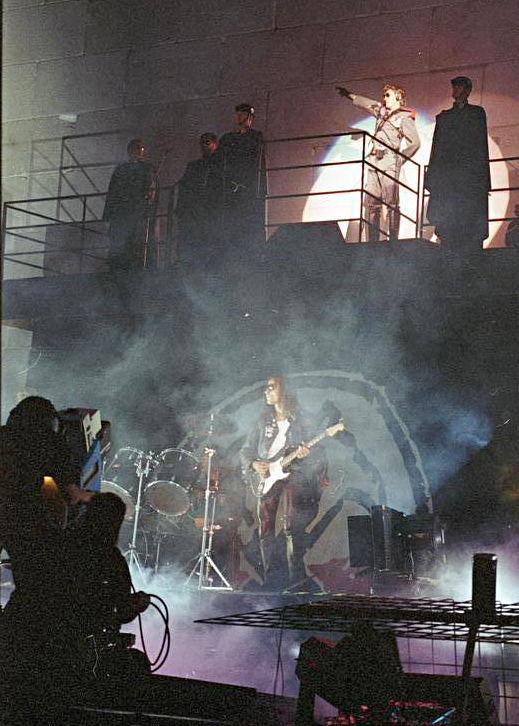


Typical characteristics
Concept albums vary in how tightly they bind their parts, but common features include:
- Thematic lyrics: recurring topics, images, perspectives or a progressive narrative.
- Musical motifs: repeated melodies, chords, sound effects or arrangements that create cohesion.
- Sequencing and transitions: deliberate track order, crossfades, interludes, reprises or overtures.
- Characters and narrative: a protagonist, alter ego, or dramatic arc that appears across songs.
History and development
The idea of a unified song cycle predates recorded popular music and can be traced to classical and theatrical traditions. With the arrival of long-playing records and the album era, popular musicians began treating the LP as a canvas for extended statements. In the mid-20th century and especially during the 1960s and 1970s, many artists in rock and progressive music adopted the format. Over time the concept album has been adopted across genres, including soul, hip hop, metal and electronic music.
Subtypes and related terms
Some works are closely narrative and are sometimes called "rock operas" if they emphasize drama and characters. Other albums are looser, using a central mood or idea to link otherwise diverse songs. A concept album differs from compilations, greatest-hits packages or soundtracks because its unity is intentional and artistic rather than merely curatorial.
Notable examples and cultural role
Widely recognized examples—cited for their strong unity of theme or story—span many genres. Artists have used the form to tell stories, explore political and social ideas, develop alter egos, or create immersive atmospheres. The format encourages listeners to consume the work in sequence and to engage with its broader artistic context.
Related articles
Author
AlegsaOnline.com Concept album Leandro Alegsa
URL: https://en.alegsaonline.com/art/22377
Sources
- moreresults.factiva.com : New York Post article about American Idiot