
Concert band
A concert band is a large wind ensemble centered on woodwinds, brass and percussion, performing a wide repertoire from marches and transcriptions to contemporary works.
A concert band is an organized ensemble built primarily from wind and percussion instruments. In its most common form the group combines the woodwind section, the brass section and the percussion section into a single performing body. Occasionally, lower-pitched string instruments such as the cello and the double bass are added, or small string sections are used to reinforce certain colors, but strings are not central to the standard lineup. Concert bands range from community and school ensembles to professional wind orchestras.
Image gallery
8 Images


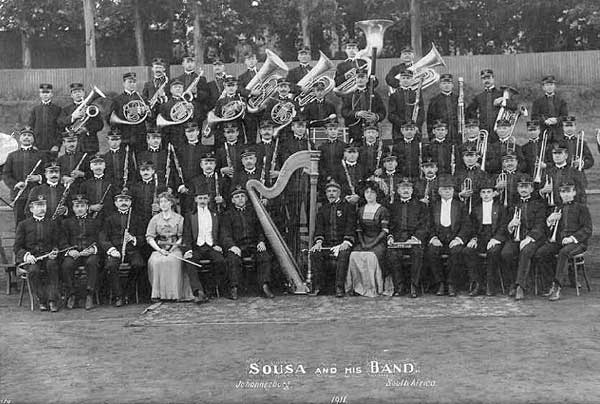


Instrumentation and structure
Typical concert band instrumentation groups instruments by family and role. Woodwinds supply much of the melodic and coloristic variety, brass contribute power and brilliance, and percussion provides rhythm and tonal accents. A simplified list of sections would be:
- Woodwinds: flutes, oboes, clarinets, bassoons, saxophones and related doubles.
- Brass: trumpets, horns, trombones, euphoniums and tubas.
- Percussion: timpani, snare, bass drum, cymbals and tuned percussion such as xylophone and glockenspiel.
- Strings (occasional): cellos and double basses used in select works for added depth.
History and development
The concert band evolved from military and municipal wind ensembles and grew into a formal concert medium during the 19th and 20th centuries. As composers and arrangers explored the sonic possibilities of winds and percussion, the repertoire expanded beyond marches and ceremonial music into serious original compositions and ambitious transcriptions of orchestral works. By the 20th century the concert band established its own identity and repertoire, with composers writing specifically for its sonorities and technical strengths.
Repertoire and uses
Concert bands perform a broad variety of music: traditional marches, classical transcriptions, modern concert works, light popular pieces and jazz-influenced arrangements. Audiences can hear everything from stand-alone fanfares and ceremonial numbers to extended symphonic pieces written for winds alone. Many ensembles also program accessible and entertaining pieces—popular tunes and lighter fare—that showcase musicianship while engaging general listeners. Genres often encountered in programming include marches, jazz-influenced works, and arrangements of light music and popular songs.
Related ensembles and distinctions
Names used for similar groups include wind band, symphonic band, wind orchestra, wind ensemble and symphonic wind ensemble. These terms sometimes indicate differences in size, repertoire focus or organizational approach, but all share the same core forces. Concert bands are often contrasted with a brass band, which uses a specific brass-only instrumentation and distinct repertoire, and with a marching band, which arranges its music and instrumentation for field movement and visual performance. The distinctions often depend on orchestration—how parts are written and distributed among instruments—rather than simply the name.
Notable features and listening tips
One strength of the concert band is its wide palette of timbres: the combination of woodwind colors, brass power and diverse percussion yields clear textures and dramatic contrasts. Listeners new to the form can begin with iconic marches and accessible transcriptions, then explore original band literature and contemporary works that highlight the ensemble’s expressive range. Whether in educational, civic or professional settings, concert bands play an important role in community music-making and in expanding the repertoire for wind and percussion instruments.
For more background on typical instruments and repertoire, consult resources devoted to wind ensemble practice and instrument families, or follow introductions offered by concert organizations and music education programs—many of which provide recommended listening and program notes for newcomers (woodwind resources, brass guides, percussion references). Additional comparative information is available where concert bands are discussed alongside brass bands and marching bands, and in texts on orchestration and arrangement.
Whether experienced concertgoers or casual listeners, people often find concert band music immediately engaging: its repertoire includes both familiar tunes and innovative modern scores that demonstrate the ensemble’s versatility and communal appeal.
Questions and answers
Q: What is a concert band?
A: A concert band is an ensemble that plays wind instruments, including the woodwind, brass, and percussion instrument families, and sometimes the string instrument family as well.
Q: What are the different names for a concert band?
A: Some of the different names for concert bands include wind band, symphonic band, symphonic winds, wind orchestra, wind symphony, wind ensemble, and symphonic wind ensemble.
Q: What are some of the differences between a concert band and a brass band or marching band?
A: The differences between concert bands, brass bands, and marching bands come from the orchestration, or how the music is written for the different parts.
Q: What kind of music is played by a concert band?
A: Concert bands play a wide range of music, including orchestral compositions, light music, jazz, marches, and popular tunes.
Q: Is special knowledge needed to enjoy concert band music?
A: No, anyone can enjoy concert band music, even if they don't have special knowledge about it.
Q: Why is concert band highly acclaimed?
A: Concert band is highly acclaimed for both its quality and popularity, and its modern and dynamic style appeals to the general public.
Q: Why are many conductors attracted to conducting concert bands?
A: Many conductors are attracted to conducting concert bands because of their unique orchestration.
Related articles
Author
AlegsaOnline.com Concert band Leandro Alegsa
URL: https://en.alegsaonline.com/art/22383