
Committee of Union and Progress — late Ottoman political movement and ruling party
A reformist and nationalist political organization of the late Ottoman Empire, active as the dominant power from 1908–1918 and disbanded amid postwar trials and early Republican prosecutions.
Overview
The Committee of Union and Progress was a political organization that emerged from the Young Turk movement in the late Ottoman period. Initially a clandestine association of reformers and military officers, it transformed into the principal governing force after the 1908 Young Turk Revolution. Its name is often shortened to its initials, CUP, and it played a central role in Ottoman politics until the end of the First World War. For a concise reference, see Committee of Union and Progress.
Image gallery
10 Images

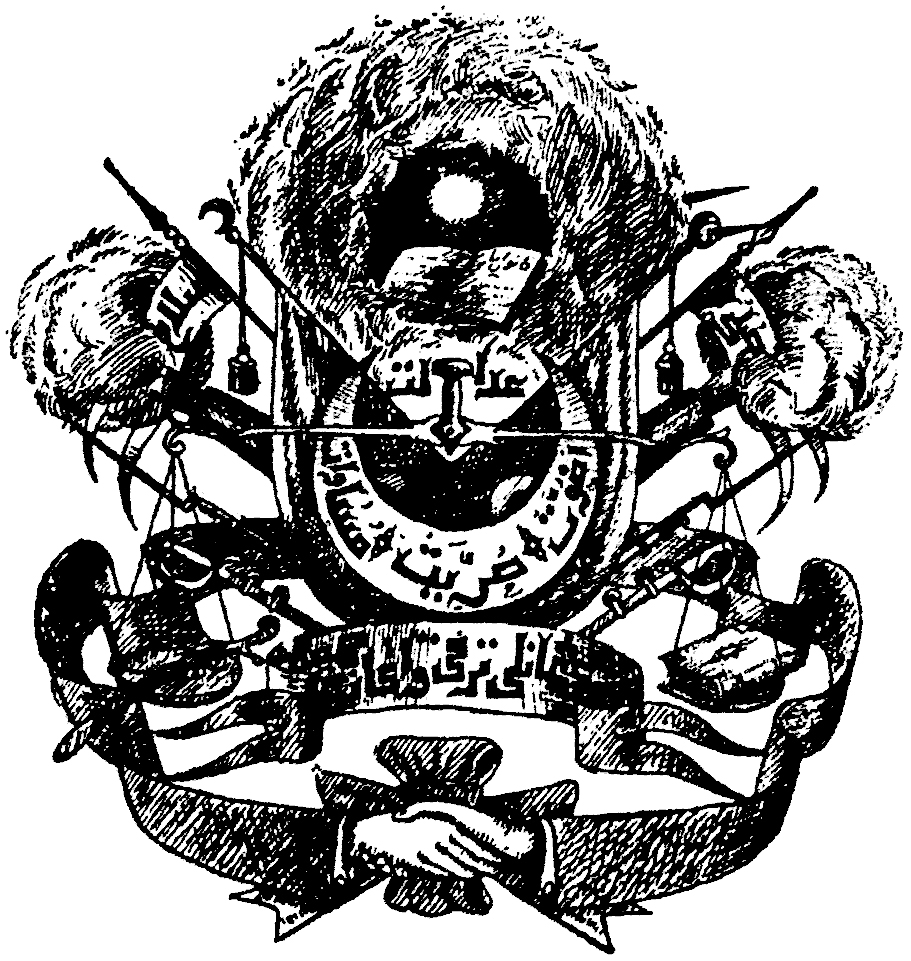


Origins and structure
Roots of the CUP lie in a network of students, officers and intellectuals who sought constitutional government and modernization. In the first decade of the 20th century the movement reorganized into a more coherent party with provincial branches and a central committee. Leadership combined civilian activists and influential military figures; notable names associated with its leadership include Enver Pasha, Talat Pasha and Cemal Pasha.
Political ascent and rule (1908–1918)
Following the restoration of the Ottoman constitution in 1908, the CUP rapidly consolidated authority by controlling government appointments and key institutions. The group pursued centralizing, secular and nationalist policies in an empire marked by diverse peoples and regional autonomy. Its control grew strongest during the First World War, when military and civilian power often merged under CUP leaders.
Policies, wartime role and controversies
The CUP promoted administrative reform, military modernization and Turkification in some areas. Its wartime decisions, alliances and security policies remain subjects of extensive historical study and debate. Many historians attribute responsibility to CUP leaders for wartime deportations and mass violence against several civilian populations; these events are central to modern assessments of the organization.
Downfall, trials and legacy
After the Ottoman defeat in World War I the Ottoman government and occupying authorities sought to hold wartime leaders accountable. In the immediate postwar period many CUP members were arrested, tried or fled abroad; the sultan's administration authorized courts and tribunals that reviewed their actions. The organization ceased to function as a political force during the transition to the Republic of Turkey, and later prosecutions in the 1920s further dismantled the movement. Related postwar legal and political processes are discussed in sources such as postwar tribunals and the records involving Sultan Mehmed VI in that era (Mehmed VI).
Distinctions and notable facts
- The CUP began within the broader Young Turk trend and should be understood as both a political party and a network of military and administrative officials.
- Its period of direct influence was roughly 1908–1918, a time that overlapped with intense modernization efforts and catastrophic wartime losses.
- After dissolution many former members were marginalized or prosecuted under successive regimes; some aspects of its personnel and ideas influenced Turkish political life until the early Republican purges and trials of the mid-1920s (early Republican prosecutions).
The Committee of Union and Progress remains a complex subject: scholars analyze it through political, social and legal lenses to evaluate both its modernization programs and its role in wartime policies. For additional contextual reading, consult archival and secondary sources linked above.
Related articles
Author
AlegsaOnline.com Committee of Union and Progress — late Ottoman political movement and ruling party Leandro Alegsa
URL: https://en.alegsaonline.com/art/21977