
Coach (sport): roles, types, history and modern practice
An overview of the sporting coach: duties, distinctions from managers, types of coaching, historical development, methods, and modern trends including sport science and analytics.
Overview
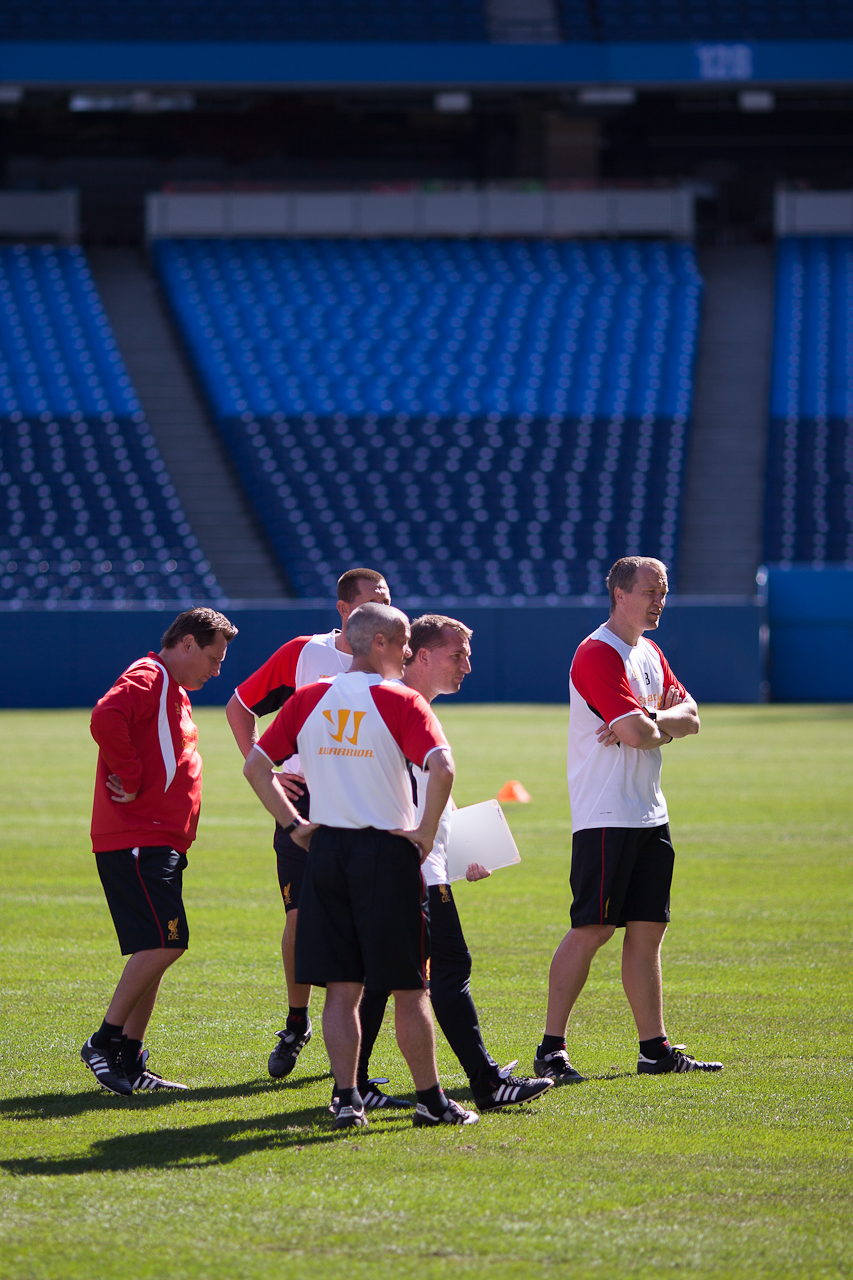
A coach in sport is a professional or volunteer who prepares athletes and teams for competition through instruction, planning and leadership. Coaches design training programs, teach technical skills and shape tactical understanding. They also influence motivation, team culture and athlete development. In some contexts the term manager is used instead of coach; distinctions between the two vary by sport and region.
Image gallery
4 Images


Core responsibilities
Typical duties of a coach include:
- Organizing and conducting practice sessions to improve fitness, technique and tactics.
- Selecting players or entrants for matches and events, sometimes in collaboration with club officials.
- Developing game plans, making in-competition adjustments and offering feedback.
- Monitoring athlete health, recovery and progression often alongside medical and conditioning staff.
Types and levels of coaching
Coaches operate at many levels: grassroots and youth, schools and colleges, amateur clubs, semi-professional and elite professional teams. Roles within a coaching staff are often specialized: head coach or manager, assistant coaches, position or skill coaches, strength and conditioning coaches, and analysts. In individual sports, coaches may focus on technical refinement, competition strategy and the long-term planning of an athlete's career.
History and evolution
The formal role of a coach expanded with the professionalization of modern sport. Early coaches were often former players or teachers; over time coaching became more structured with certifications, governing-body qualifications and academic study. The late 20th and early 21st centuries brought stronger integration of sports science, psychology and data analysis into everyday coaching practice.
Approaches and methods
Coaching blends technical instruction with leadership. Methods range from demonstration and drills to video analysis, individualized feedback and mental skills training. Contemporary coaches increasingly use performance data, wearable technology and recovery science to tailor programs. Ethical responsibilities include athlete welfare, safeguarding, and fair selection practices.
Distinctions, importance and resources
In some sports the term manager emphasizes administrative or transfer responsibilities, while coach emphasizes training and on-field preparation; overlap is common. Good coaching is widely recognized as a key determinant of athlete progress and team cohesion. For further information on coaching theory, certification and best practice see coaching resources, applied practice guides at training platforms, research summaries at academic collections, and governing-body information at national federations.
Related articles
Author
AlegsaOnline.com Coach (sport): roles, types, history and modern practice Leandro Alegsa
URL: https://en.alegsaonline.com/art/21206