
Colombia at the Olympics
Summary of Colombia’s participation in the Olympic Games, its development, notable athletes and sports, and the role of its national Olympic committee.
Overview
Colombia first took part in the modern Olympic Games in 1932. Since that initial appearance the country’s presence has expanded steadily, with athletes competing mainly at the Summer Olympics and gradually earning recognition on the world stage for particular sports.
Image gallery
3 Images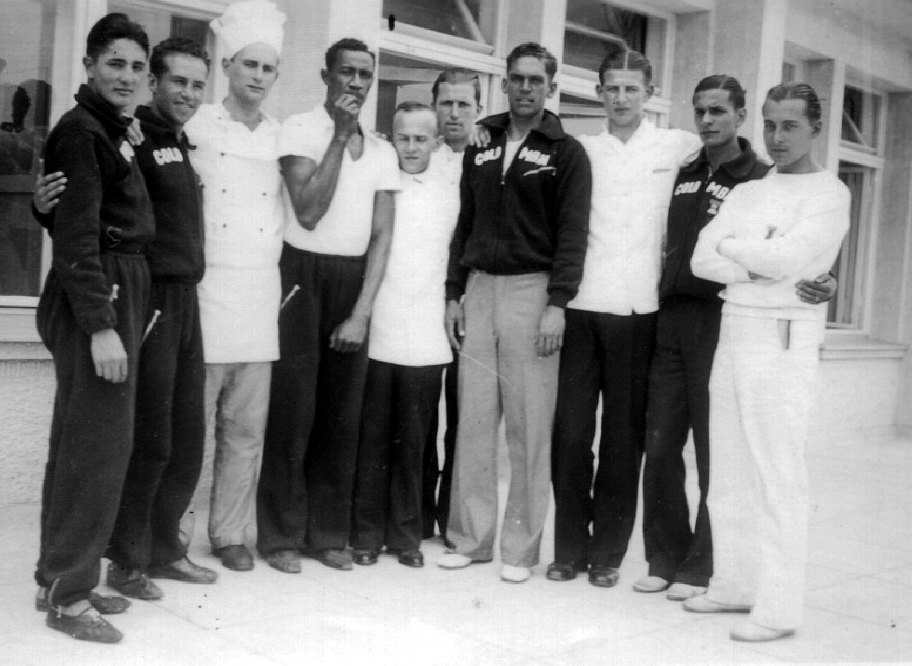


History and development
Early Colombian delegations were small and visits sporadic during the mid-20th century. Over time sporting programs, public interest and international experience grew, producing the nation’s first Olympic champions and medalists in the late 20th and early 21st centuries. Success at the Games has reflected broader investment in elite sport and growing domestic support for Olympic disciplines.
National organization and codes
The Colombian Olympic movement is organized through its national committee, which coordinates athlete preparation, qualification and participation. The country’s official abbreviation used by the International Olympic Committee is COL, the code seen on scoreboards and athlete profiles.
Sports strengths and notable athletes
Colombia has become known for strong performances in weightlifting, cycling (notably BMX), boxing and shooting. Notable figures include María Isabel Urrutia, who became a landmark gold medallist and helped raise the profile of weightlifting, Mariana Pajón in BMX who earned multiple Olympic titles, and other athletes whose medals helped define Colombia’s modern Olympic era.
Legacy and significance
Olympic achievements have become a source of national pride and inspiration for youth sport programs. Medal wins have encouraged development of training centers and grassroots talent pathways, showing how international competition can influence a country’s sporting culture and infrastructure.
Related articles
Author
AlegsaOnline.com Colombia at the Olympics Leandro Alegsa
URL: https://en.alegsaonline.com/art/21689
Sources
- la84foundation.org : "Official abbreviations" at The Games of the XVIII Olympiad, Tokyo, 1964, [p. 9 of 409 PDF]