
Clockwork radio (wind-up radio): mechanism, history and uses
A clockwork or wind-up radio uses stored mechanical energy to generate electricity for audio reception. This article explains how it works, its history, common designs, uses, and advantages.
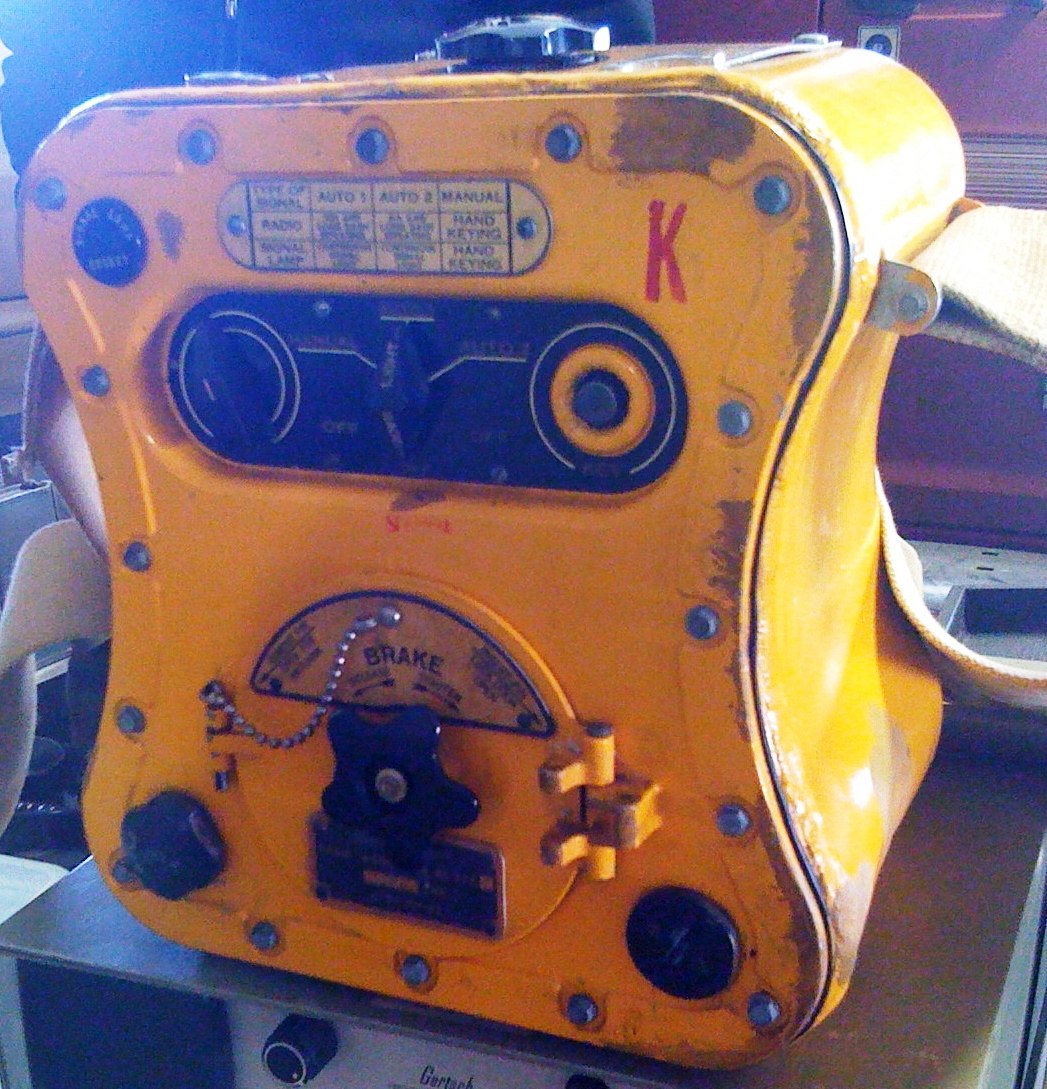
A clockwork radio, often called a wind-up radio or crank radio, is an audio receiver powered by mechanical energy stored in a spring. Instead of relying on disposable batteries or mains electricity, the user winds a spring or turns a crank which drives a small generator (dynamo) through gears. The electricity produced runs the radio circuitry directly or charges a small electrical storage element so the set can operate for several minutes to hours from a single winding.
Image gallery
8 Images




How it works
Typical clockwork radios convert mechanical potential energy into electrical energy. A robust coil spring is tensioned by winding; the spring’s unwind motion is regulated and transmitted through gearing to a miniature generator. Electronics are designed for low power: efficient tuners, amplifiers, and sometimes LED lamps. Some designs store charge in capacitors or rechargeable batteries so the radio continues briefly after the spring has unwound. Alternatives include hand-crank models that drive the generator directly while cranking.
History and development
The modern wind-up radio gained attention in the late 20th century as inventors and humanitarian designers sought off-grid information devices for remote and disaster-affected areas. A widely publicized design prompted commercial production and helped popularize wind-up energy harvesting. Since then manufacturers and designers have adapted the concept with improved generators, more efficient electronics, and additional features such as solar panels and phone charging outputs.
Uses and notable aspects
- Emergency preparedness: reliable when batteries and mains power are unavailable.
- Humanitarian and development: valuable for communities with limited electricity for news, weather, and educational broadcasts.
- Environmental benefit: reduces single-use battery waste and reliance on fuel-based generators.
- Multipurpose devices: many models add flashlights, USB charging, or solar panels for versatility.
Design variation and care
Clockwork radios range from simple AM receivers to sets including FM, shortwave, lights, and phone charging. Compared with hand-crank models, true clockwork versions separate the winding action from radio operation, allowing longer use between winds. Maintenance includes occasional lubrication of gears and careful handling of the mainspring. Limitations can include modest audio power and finite run-time per wind, but continued improvements in low-power electronics have extended usefulness.
For technical details, historical accounts, and examples of contemporary models, see further information.
Related articles
Author
AlegsaOnline.com Clockwork radio (wind-up radio): mechanism, history and uses Leandro Alegsa
URL: https://en.alegsaonline.com/art/21067