
Clermont-Ferrand: city in Auvergne and capital of Puy-de-Dôme
Clermont-Ferrand is a historic city in central France, seat of Puy-de-Dôme, known for volcanic landscape, black-lava architecture, the Michelin headquarters and cultural institutions.
Clermont-Ferrand is a French commune located in the Puy-de-Dôme department, within the administrative Auvergne-Rhône-Alpes region. It serves as the prefecture of the department and is the chief town of the arrondissement of Clermont-Ferrand. The city stands in central-southern France (geographic context) and is widely regarded as the historic capital of Auvergne, with a long urban continuity described in regional histories (historical background).
Image gallery
10 Images
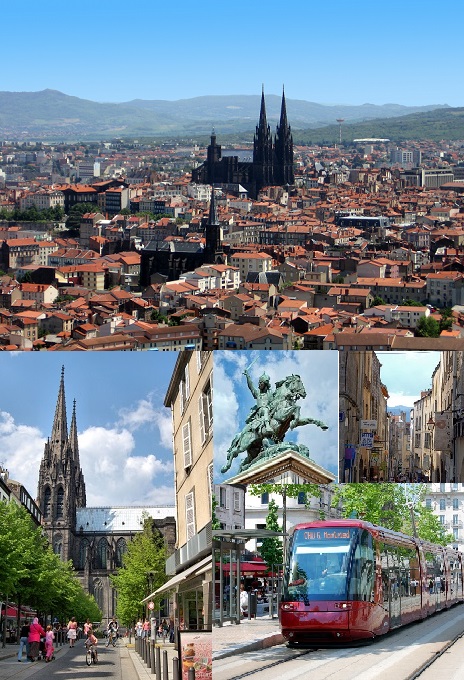




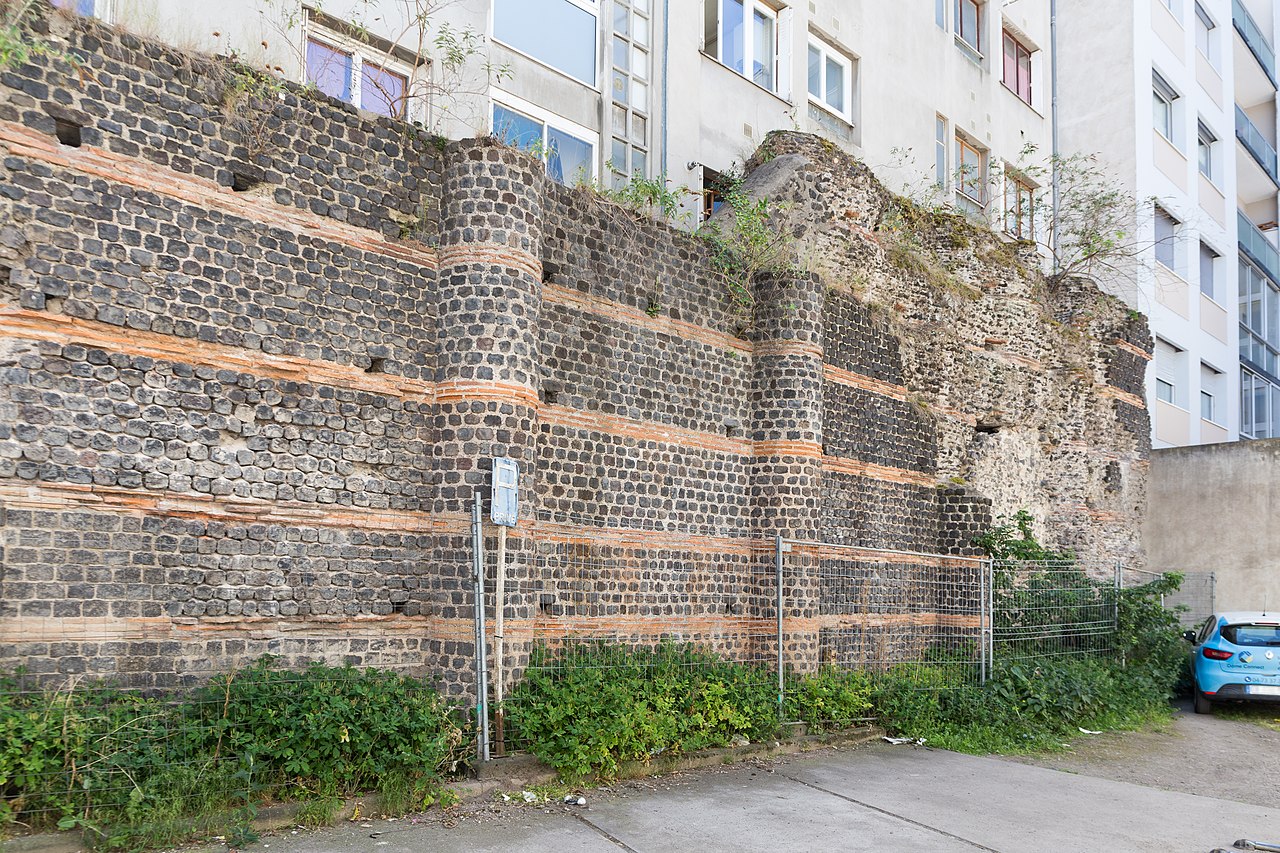
Geography and urban character
Clermont-Ferrand lies on the Limagne plain at the edge of the Massif Central. Its skyline is marked by volcanic forms; the nearby Chaîne des Puys and the iconic Puy de Dôme give the area a dramatic setting. Local building stone is often dark volcanic lava, which gives older districts and the cathedral a distinctive black appearance. The city combines compact medieval streets with 19th- and 20th-century boulevards and more modern suburbs.
History and development
The site has ancient roots, with settlement in Roman times and growth through the Middle Ages around ecclesiastical and market functions. Over centuries Clermont and the neighboring borough of Montferrand developed distinct identities before coming together to form the modern municipality. Industrialization and improved transport in the 19th and 20th centuries shaped its expansion and role as a regional center.
Economy, education and research
Clermont-Ferrand is a regional economic hub. It is internationally known as the headquarters of the tyre manufacturer Michelin, which has had a strong influence on local employment, urban development and research. The city also hosts higher education institutions and research centers, including a modern university that provides courses in sciences, humanities and technology, contributing to an active student population.
Culture, landmarks and events
The city center offers a mix of religious, civic and cultural sites. Notable places include:
- Cathedral of Notre-Dame-de-l'Assomption — a Gothic landmark built of dark lava stone.
- Place de Jaude — principal public square and commercial heart.
- Chaîne des Puys — volcanic chain visible from the city and prized for outdoor activities.
Clermont-Ferrand stages cultural festivals, theatrical events and film and music programming that reflect its regional importance and student presence. Museums, galleries and theatres contribute to a varied cultural life.
Transport and role in the region
The city is a transport node with rail connections to major French cities and motorways linking the Massif Central to other regions. As the administrative center and a historical capital, Clermont-Ferrand plays an important role in regional governance, commerce and tourism, serving as a gateway to the volcanic landscapes of Auvergne.
For further general reference and municipal information, consult official and regional guides (commune site, regional portal, department overview) or cultural resources (regional guides, geography briefs). Additional historical and administrative notes are available through archives and educational institutions (arrondissement, historical studies, Auvergne topics, prefecture services).
Questions and answers
Q: What is Clermont-Ferrand?
A: Clermont-Ferrand is a commune in the Puy-de-Dôme department in the Auvergne-Rhône-Alpes region in central-southern France.
Q: Where is Clermont-Ferrand located?
A: Clermont-Ferrand is located in the Puy-de-Dôme department in the Auvergne-Rhône Alpes region of central southern France.
Q: What role does Clermont Ferrand have?
A: Clermont Ferrand is the prefecture of its department and also serves as the capital of its arrondissement and historical capital of the region of Auvergne.
Q: What type of government does Clermont Ferrand have?
A: Clermont Ferrand has a commune form of government, which means it operates as an independent municipality with its own elected officials.
Q: How long has Clermont Ferrand been around?
A: The exact date when Clermont Ferrand was founded is unknown, but it has been around for centuries and served as an important center for trade and commerce since medieval times.
Q: What are some attractions to visit in or near to Clermond Ferrannd?
A: There are many attractions to visit near or within close proximity to Cleremond Ferrannd such as Vulcania theme park, L'Aventure Michelin museum, Château de Murol, Parc des Volcans d'Auvergne nature reserve, etc.
Q: Is there any public transportation available in Cleremond Ferrannd?
A: Yes, there are several forms of public transportation available including buses operated by STAC (Société des Transports en Commun), trains operated by SNCF (Société Nationale des Chemins de fer Français) and taxis.
Related articles
Author
AlegsaOnline.com Clermont-Ferrand: city in Auvergne and capital of Puy-de-Dôme Leandro Alegsa
URL: https://en.alegsaonline.com/art/20929
Sources
- legifrance.gouv.fr : "Decree 2014-210/Décret 2014-210 du 21 février 2014 portant délimitation des cantons dans le département du Puy-de-Dôme"
- insee.fr : "Commune de Clermont-Ferrand (63113)"
- map-france.com : "City of Clermont-Ferrand"
- annuaire-mairie.fr : "Ville de Clermont-Ferrand"
- weatherbase.com : "Clermont-Ferrand, France - Köppen Climate Classification"
- habitants.fr : "Puy-de-Dôme"
- insee.fr : "Régions, départements, arrondissements, cantons et communes"
- insee.fr : "Unité urbaine de Clermont-Ferrand (63701)"
- insee.fr : "Aire urbaine de Clermont-Ferrand (019)"
- clermont-ferrand.fr : clermont-ferrand.fr/-International-.html