
Clervaux, Luxembourg: town and commune in the Our valley
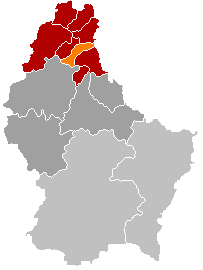
Clervaux is a town and commune in northern Luxembourg and the administrative centre of its canton. It is noted for its hilltop castle, the Family of Man exhibition, a Benedictine abbey, river valley landscape and wartime history.
Overview
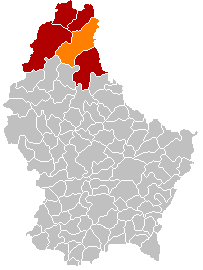
Clervaux (Luxembourgish: Klierf, German: Clerf) is a small town and commune in northern Luxembourg. It serves as the administrative centre of the canton of Clervaux (canton of Clervaux) and functions as a local hub for government, services and tourism in a largely rural region.
Image gallery
10 Images



Geography and setting
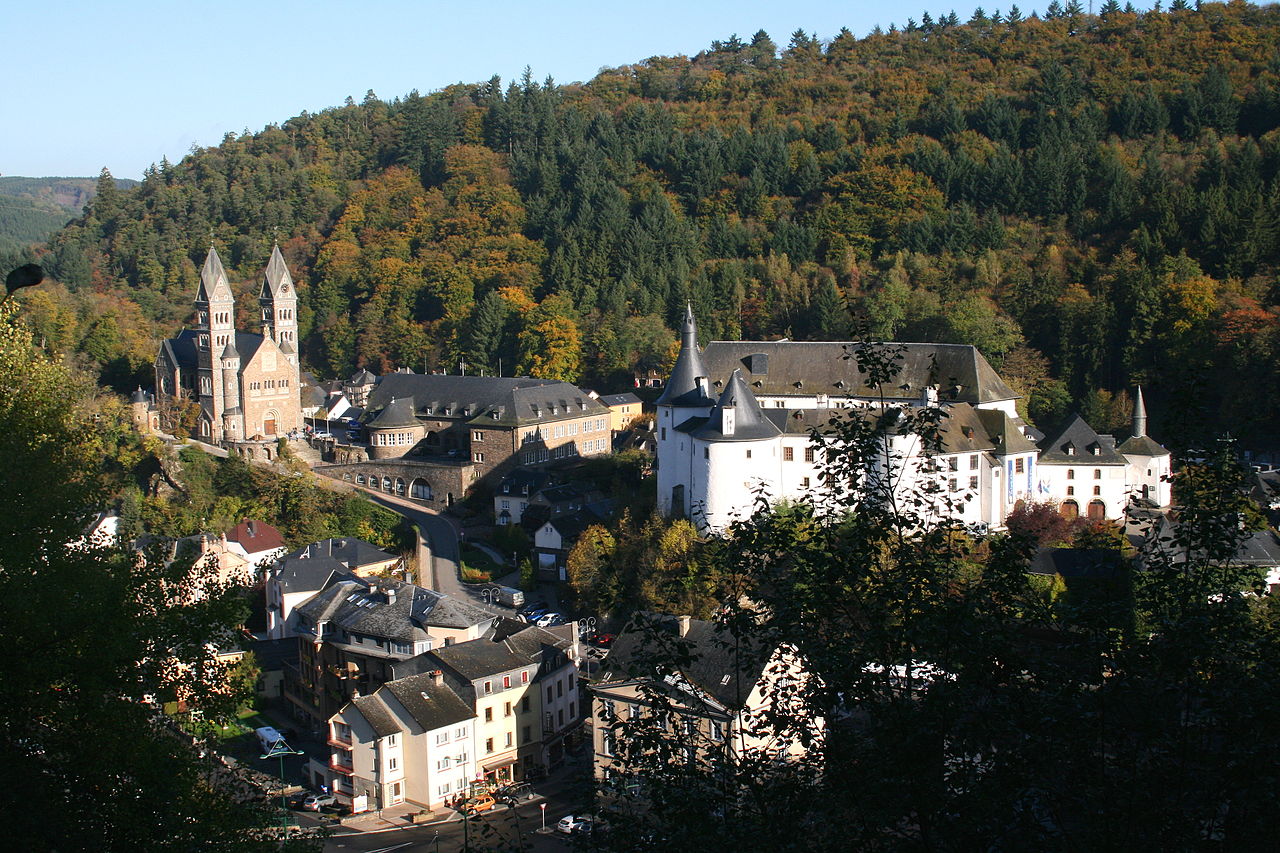
Clervaux lies in a narrow valley carved by the Clerve river and sits amid rolling, forested hills that form part of the greater Ardennes landscape. The commune is included in the area protected by the Natural Park of the Our, which promotes conservation, outdoor recreation and rural traditions. The valley location gives Clervaux a compact urban core with steep approaches and scenic viewpoints over the river and surrounding woods.
History and heritage
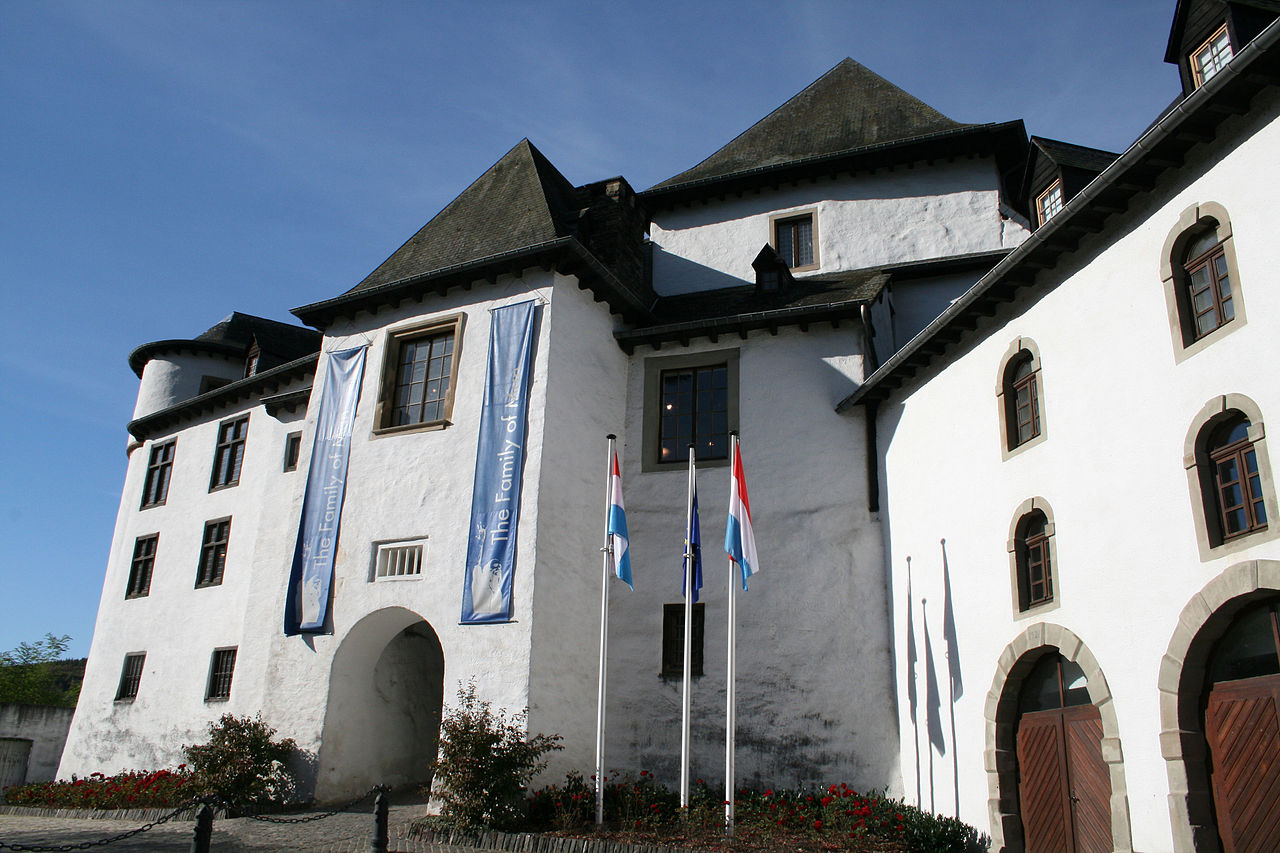
The town grew around a fortified site on a strategic hill above the valley. The focal point is Clervaux Castle, a historic stronghold that has been adapted over time and today houses local exhibitions and collections. Clervaux also bears visible scars from the Second World War: it was affected by fighting during the 1944–45 Ardennes campaign and much of the built fabric was repaired or rebuilt in the postwar period.
Culture, monuments and sites
Major attractions include:
- Clervaux Castle — a hilltop castle with museum displays and photographic exhibitions.
- The Family of Man — a photographic exhibition reproduced in the castle, originally curated by Edward Steichen and widely regarded as an influential postwar show.
- Benedictine Abbey and parish church — examples of local religious heritage and ongoing community life.
Visitors and modern life
Today Clervaux attracts hikers, history enthusiasts and those seeking quiet countryside. Local services support small-scale hospitality, guided walks and cultural events; the town functions as a service centre for surrounding villages. Its combination of natural scenery, heritage buildings and wartime memory gives Clervaux a distinct character among Luxembourg’s northern communes.
Notable facts
Clervaux is often cited for its picturesque castle setting, the international reputation of the Family of Man display, and its role in mid-20th century history. The town illustrates how rural European communities balance conservation, tourism and everyday life in a protected natural area.
Questions and answers
Q: What is Clervaux?
A: Clervaux is a commune and town located in northern Luxembourg.
Q: What is the administrative capital of the canton of Clervaux?
A: Clervaux is the administrative capital of the canton of Clervaux.
Q: In which valley is the city of Clervaux located?
A: Clervaux is located in the valley of the Clerve river.
Q: What is the Natural Park of the Our?
A: The Natural Park of the Our is a park that Clervaux is a part of.
Q: What is the Luxembourgish name for Clervaux?
A: The Luxembourgish name for Clervaux is Klierf.
Q: What is the German name for Clervaux?
A: The German name for Clervaux is Clerf.
Q: What location is Clervaux situated in?
A: Clervaux is situated in northern Luxembourg.
Related articles
Author
AlegsaOnline.com Clervaux, Luxembourg: town and commune in the Our valley Leandro Alegsa
URL: https://en.alegsaonline.com/art/20937
Sources
- statistiques.public.lu : "Surface area of the cantons and municipalities"
- statistiques.public.lu : "Population by canton and municipality 1821 - 2017"
- clervaux.lu : "La commune de Clervaux: Situation géographique"
- statistiques.public.lu : "Altitudes of the different localities per cantons (in m)"