
Auvergne — historical region of central France
Auvergne, in the Massif Central of south-central France, is a historical and former administrative region noted for volcanic terrain, cheeses (Cantal, Saint-Nectaire), Clermont-Ferrand, rural culture and outdoor tourism.
Overview
Auvergne is a historical and geographical area in south-central France, long identified by a distinct rural culture and landscape. Formerly an administrative region, Auvergne was merged into the larger administrative region of Auvergne-Rhône-Alpes. The area lies in the highlands of the Massif Central and retains a strong regional identity. The traditional language of parts of Auvergne is Occitan (Occitan: Auvèrnha / Auvèrnhe), and inhabitants are commonly called Auvergnats.
Image gallery
8 Images




Geography and natural features
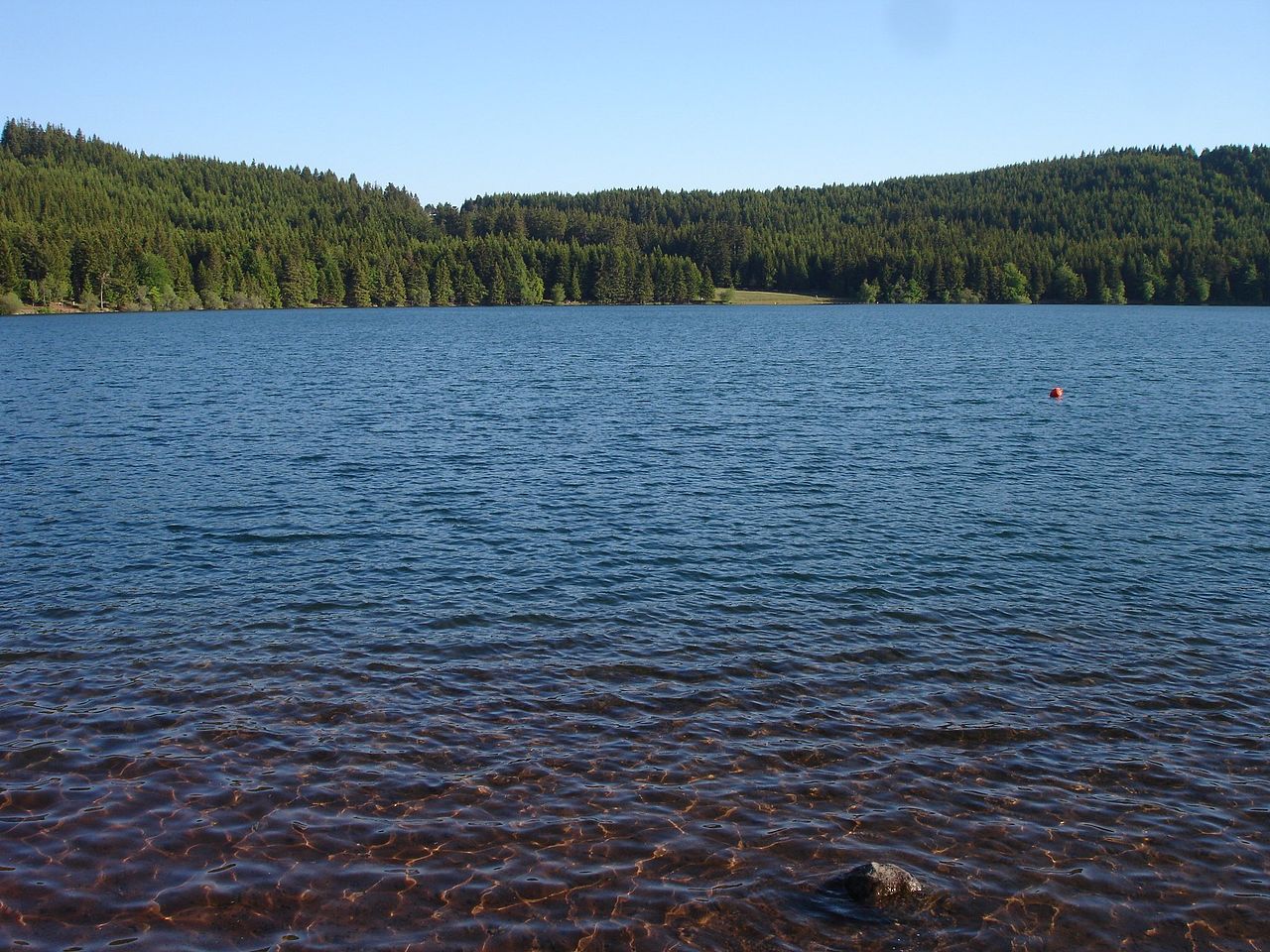
Characterised by upland plateaus, river valleys and a series of volcanic formations, Auvergne is one of the most geologically distinctive parts of France. The region includes volcanic domes and cones such as those around the Puy de Dôme in the chain known as the Chaîne des Puys. Much of this volcanic landscape lies within protected areas including regional natural parks that offer hiking, climbing and winter recreation.
Administrative divisions
Before the regional reorganisation the territory comprised four departments (departments). These administrative units continue to be the primary local divisions within the broader regional framework. The four departments were:
The principal city and former regional capital is Clermont-Ferrand, which served as the administrative, cultural and economic centre; references to the seat of regional government are commonly given under the heading capital.
History and identity
Human settlement in Auvergne reaches back to ancient times. In antiquity the area was associated with the Arverni, a Gallic tribe whose leader Vercingetorix is remembered for resisting Roman expansion. During the Middle Ages and later centuries Auvergne developed a rural economy based on pastoralism and small-scale farming; local customs, dialects of Occitan and artisanal traditions contributed to a durable regional identity.
Economy, culture and cuisine
The economy of Auvergne has combined agriculture, forestry and selective industrial activity. Cattle rearing is important and the region is celebrated for a number of well-known cheeses, including Cantal, Saint-Nectaire, Salers and Bleu d'Auvergne. Clermont-Ferrand is historically linked with industrial enterprise, notably tyre manufacturing, which played a major role in the city's growth. Thermal springs and spa towns also contribute to the local economy.
Tourism and natural heritage
Visitors are drawn to Auvergne for its open landscapes, volcanic plates, medieval villages and outdoor activities. The volcanic chain and surrounding parks offer geological interest as well as routes for walking and cycling. Local gastronomy, markets and historical sites attract cultural tourism, while smaller towns and seasonal festivals keep traditional crafts and music alive.
Notes and further information
Although no longer an administrative region in its own right, the name Auvergne continues to be used widely in cultural, culinary and tourist contexts. Information and resources on the area can be found through regional cultural organisations and administrative authorities; see local guides and official pages for up-to-date practical details and conservation information.
Occitan name • France overview • Auvergne-Rhône-Alpes • Massif Central • Departments • Allier • Cantal • Haute-Loire • Puy-de-Dôme • Capital • Clermont-Ferrand
Questions and answers
Q: What is Auvergne?
A: Auvergne is a former administrative region of France that is now part of the administrative region of Auvergne-Rhône-Alpes. It is located in the Massif Central in south-central France.
Q: Who are the inhabitants of this region?
A: The inhabitants of this region are known as Auvergnats.
Q: How many departments were there in Auvergne?
A: There were four departments in Auvergne, which included Allier, Cantal, Haute-Loire, and Puy-de-Dôme.
Q: What was the capital city of this region?
A: The capital city of this region was Clermont-Ferrand.
Q: What language do people speak in this area?
A: People in this area primarily speak Occitan.
Q: Where is Auvergne located geographically?
A: Auvergne is located in the Massif Central in south-central France.
Q: What type of terrain can be found here? A: This area features mountainous terrain with rolling hills and valleys.
Related articles
Author
AlegsaOnline.com Auvergne — historical region of central France Leandro Alegsa
URL: https://en.alegsaonline.com/art/7651
Sources
- insee.fr : "Populations légales 2012 des régions"
- statoids.com : "Departments of France"
- citypopulation.de : "France: Bourgogne (Burgundy)"
- peakbagger.com : "Puy de Sancy, France"
- insee.fr : "Populations légales 2012 des départements et des collectivités d'outre-mer"