
Puy-de-Dôme (French department)
Puy-de-Dôme is a central French department in Auvergne-Rhône-Alpes, named for the volcanic peak Puy de Dôme. Its prefecture is Clermont-Ferrand. The area is known for volcanic landscapes, history and tourism.
Overview
Puy-de-Dôme is an administrative department located in central France. It belongs to the Auvergne-Rhône-Alpes region and takes its name from the prominent dormant volcano, the Puy de Dôme. The department's prefecture is Clermont-Ferrand, the principal city and cultural hub; official administrative functions are centered in the prefecture.
Image gallery
9 Images


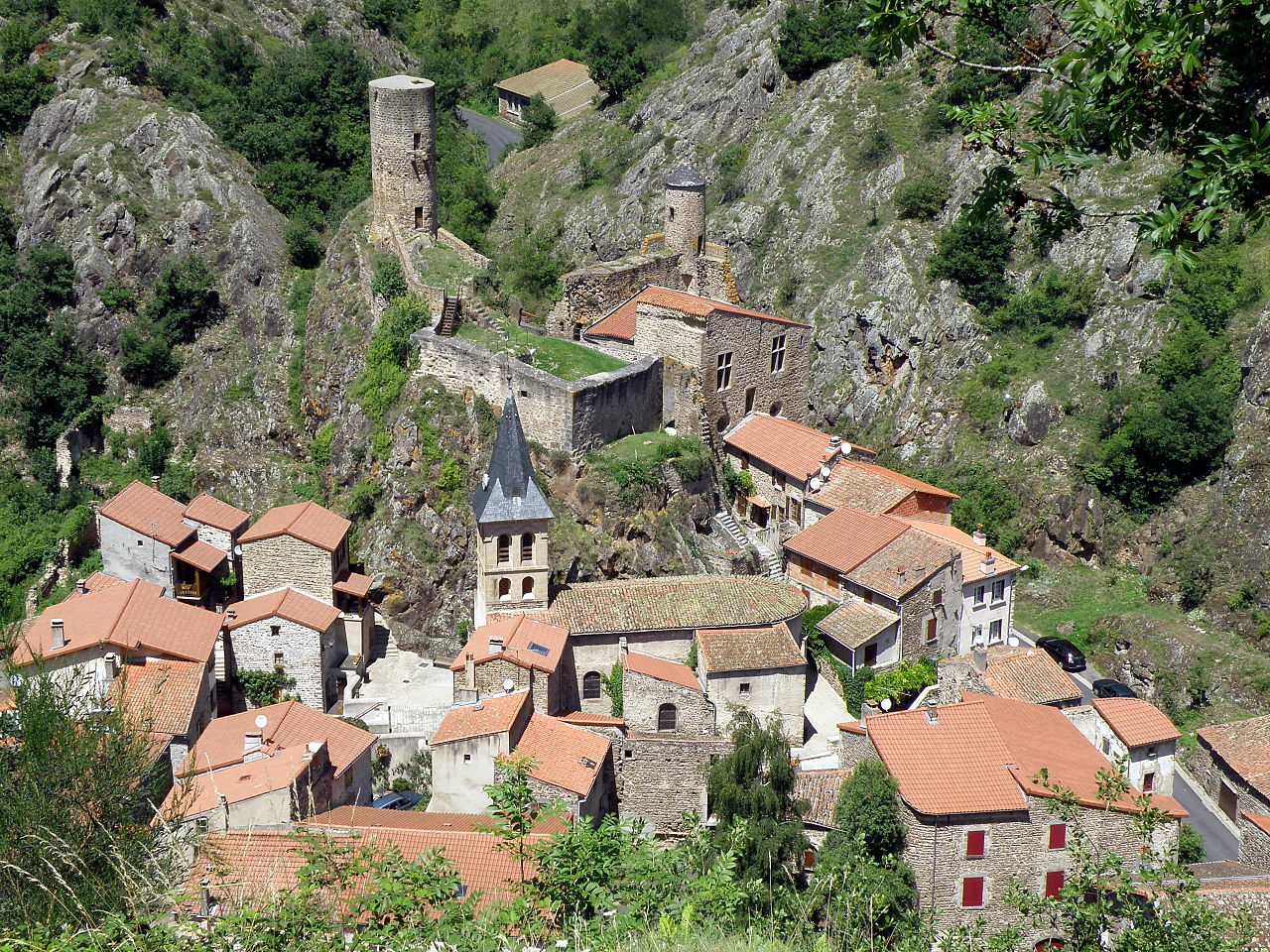
Geography and geology
The territory lies within the Massif Central and includes a range of volcanic landforms, plateaus and river valleys. The Chaîne des Puys, a chain of volcanic domes and cones, shapes much of the local scenery and has been recognized for its geological value; consult a regional map for details. Soils derived from volcanic rock support mixed agriculture and distinctive landscape patterns.
History and culture
Human settlement in the area dates back to antiquity and the medieval period, leaving Romanesque churches, fortified villages and a regional identity linked to Auvergne traditions. Clermont-Ferrand grew as a market and industrial center; cultural life includes festivals, museums and traditional gastronomy such as regional cheeses and dishes associated with the Auvergne.
Economy, sights and uses
The local economy combines agriculture, light industry and services. Tourism is important: visitors come for hiking, winter sports on uplands, heritage sites and panoramic views from volcanic summits. Notable attractions include:
- Puy de Dôme — a prominent summit with trails and a panoramic viewpoint.
- Chaîne des Puys — a volcanic chain prized by scientists and hikers.
- Clermont-Ferrand — historic center, cathedral, museums and cultural venues.
Notable facts and distinctions
Puy-de-Dôme is widely regarded for its volcanic geology and rural landscapes. It balances natural conservation with accessibility for outdoor recreation. For administrative, travel or cultural information consult local guides and official departmental resources such as the department site or municipal pages for Clermont-Ferrand.
Questions and answers
Q: What is Puy-de-Dôme?
A: Puy-de-Dôme is a department located in the center of France.
Q: What region is Puy-de-Dôme located in?
A: Puy-de-Dôme is located in the Auvergne-Rhône-Alpes region.
Q: Where did Puy-de-Dôme get its name?
A: Puy-de-Dôme is named after a dormant volcano named the Puy de Dôme.
Q: What city is the prefecture of Puy-de-Dôme?
A: The city of Clermont-Ferrand is the prefecture of Puy-de-Dôme.
Q: Which region is Clermont-Ferrand located in?
A: Clermont-Ferrand is located in the Auvergne-Rhône-Alpes region.
Q: Is the volcano in Puy-de-Dôme still active?
A: No, the volcano in Puy-de-Dôme is dormant.
Q: What is the significance of Puy de Dôme?
A: Puy de Dôme is significant because the department is named after a dormant volcano with the same name.
Related articles
Author
AlegsaOnline.com Puy-de-Dôme (French department) Leandro Alegsa
URL: https://en.alegsaonline.com/art/80195
Sources
- puy-de-dome.fr : "Bureau départemental"
- insee.fr : "Département du Puy-de-Dôme (63)"
- insee.fr : "Populations légales 2014 des départements et des collectivités d'outre-mer"
- splaf.free.fr : "Historique du Puy-de-Dôme"
- peakbagger.com : "Puy de Sancy, France"
- weatherbase.com : "Clermont-Ferrand, France - Köppen Climate Classification"
- insee.fr : "Département du Puy-de-Dôme (63)"
- insee.fr : "Régions, départements, arrondissements, cantons et communes"
- insee.fr : "Département du Puy-de-Dôme (63)"
- legifrance.gouv.fr : "Décret n° 2014-210 du 21 février 2014 portant délimitation des cantons dans le département du Puy-de-Dôme"
- habitants.fr : "Puy-de-Dôme"