
Confirmation (Christianity)
Confirmation is a Christian rite of initiation in which a person affirms the faith and receives a special blessing or sealing by the Holy Spirit. Practices and theology vary between denominations.
Confirmation is a Christian rite through which a baptized person affirms the promises made at baptism and receives a special commissioning or strengthening by the Holy Spirit. In many traditions it is considered one of the sacraments or principal rites of initiation that confirms and completes the grace first given in baptism. Practices and theological emphases vary widely among Roman Catholic, Eastern Orthodox, Anglican, Lutheran, Reformed, Methodist and Baptist communities.
Image gallery
8 Images


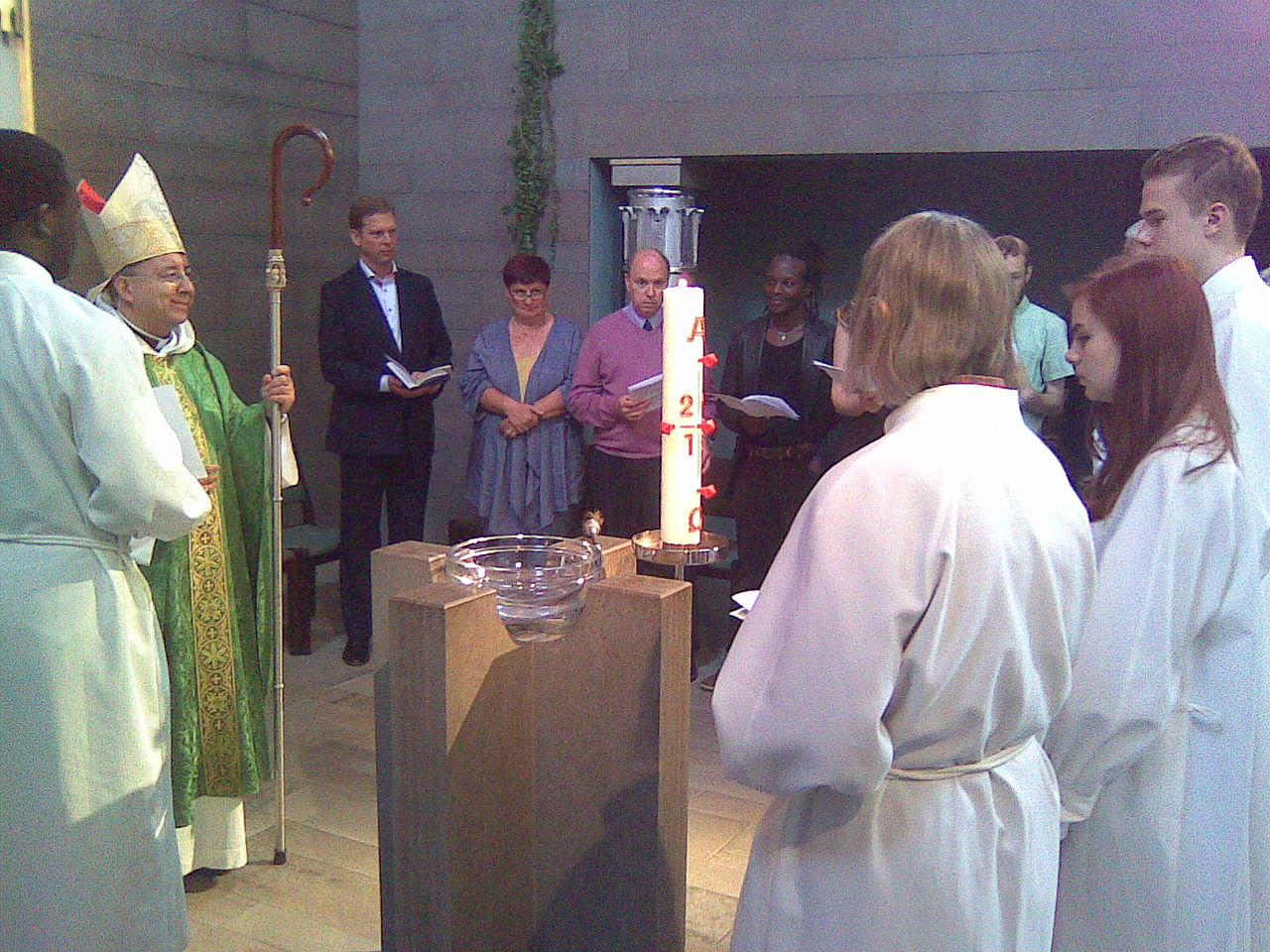


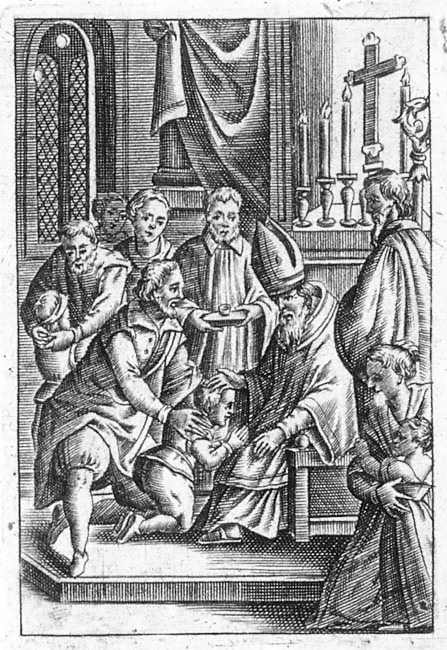
Typical elements and form
The rite often includes a public renewal of baptismal vows, prayer, the laying on of hands, and anointing with chrism or oil. A bishop or a priest acting with episcopal authority commonly presides. Sponsors or godparents may stand with the candidate to give visible support. Elements commonly found in confirmation services include:
- Presentation of candidates
- Renewal of baptismal promises
- Laying on of hands and a blessing invoking the Holy Spirit
- Anointing with chrism or oil in some traditions
- A sign of peace or welcome into the adult life of the church
History and development
The rite has roots in the early church practice of laying on hands to confer the Holy Spirit. Over time different churches separated or combined this action with baptism. For example, in the Eastern Orthodox tradition chrismation normally follows baptism immediately, even for infants. In Western churches the laying on of hands was often deferred until a bishop could preside, producing the later custom of a separate confirmation ceremony.
Denominational differences
Roman Catholic theology regards confirmation as a sacrament that strengthens baptismal grace and equips the confirmed for Christian witness. Eastern churches treat chrismation as the sacramental sealing that normally accompanies baptism. Anglicans and Lutherans commonly celebrate confirmation as a mature profession of faith often required before receiving first Communion in some parishes. Many Reformed and evangelical communities emphasize a public profession of faith that may look like confirmation but is not always sacramental. Baptist and most Pentecostal groups focus on believer's baptism and do not practice confirmation as a separate sacrament.
Importance and contemporary practice
For individuals, confirmation is frequently understood as a moment of personal commitment to Christian faith and responsibility in the church. Schools, parish programs and adult education classes commonly prepare candidates by teaching core doctrines, Scripture, and the life of the church. Debates continue about the appropriate age, the relation to baptism and Communion, and the pastoral purpose of the rite in modern congregational life.
For further general background see Christianity overview, historical summaries at early church resources, explanations about baptismal promises at baptism and vows, and guidance on confirmation and Communion practice at church practice guides.
Questions and answers
Q: When is confirmation used in Christianity?
A: Confirmation is used when a baby who was baptised grows to an adult to ensure that they agree with the promise they made to be a Christian.
Q: What is the purpose of confirmation?
A: The purpose of confirmation in Christianity is to confirm that an adult agrees with the promise made when they were baptised as a baby.
Q: Can someone take their first Holy Communion in an Anglican church without confirmation?
A: No, people cannot take their first Holy Communion in an Anglican church unless they have been confirmed.
Q: Why might babies be baptised in Christianity?
A: In Christianity, babies might be baptised to acknowledge them as part of the Church and to initiate them into the Christian faith.
Q: What is the difference between baptism and confirmation in Christianity?
A: Baptism is typically done when a person is a baby, while confirmation is done when a person is an adult to confirm that they agree with the promise made when they were baptised.
Q: What role does confirmation play in Anglican churches?
A: In Anglican churches, confirmation is necessary before someone can take their first Holy Communion.
Q: What is the promise made during baptism in Christianity?
A: The promise made during baptism in Christianity is to follow the teachings of Jesus and to live a life consistent with Christian values.
Related articles
Author
AlegsaOnline.com Confirmation (Christianity) Leandro Alegsa
URL: https://en.alegsaonline.com/art/22483