
Albert Edelfelt: Finnish painter and illustrator (1854–1905)
Albert Edelfelt, a leading Finnish painter of the late 19th century, gained international recognition for his portraits, history paintings and illustrations that promoted Finnish culture abroad.
Albert Gustaf Aristides Edelfelt (21 July 1854 – 18 August 1905) was a prominent Finnish artist whose work brought attention to Finland’s visual culture before the country achieved independence. Trained and active in the art centres of Europe, Edelfelt is best known for refined portraits, scenes with historical or national themes, and book illustrations. He is widely regarded as one of the most important Finnish painters of his generation.
Image gallery
10 Images


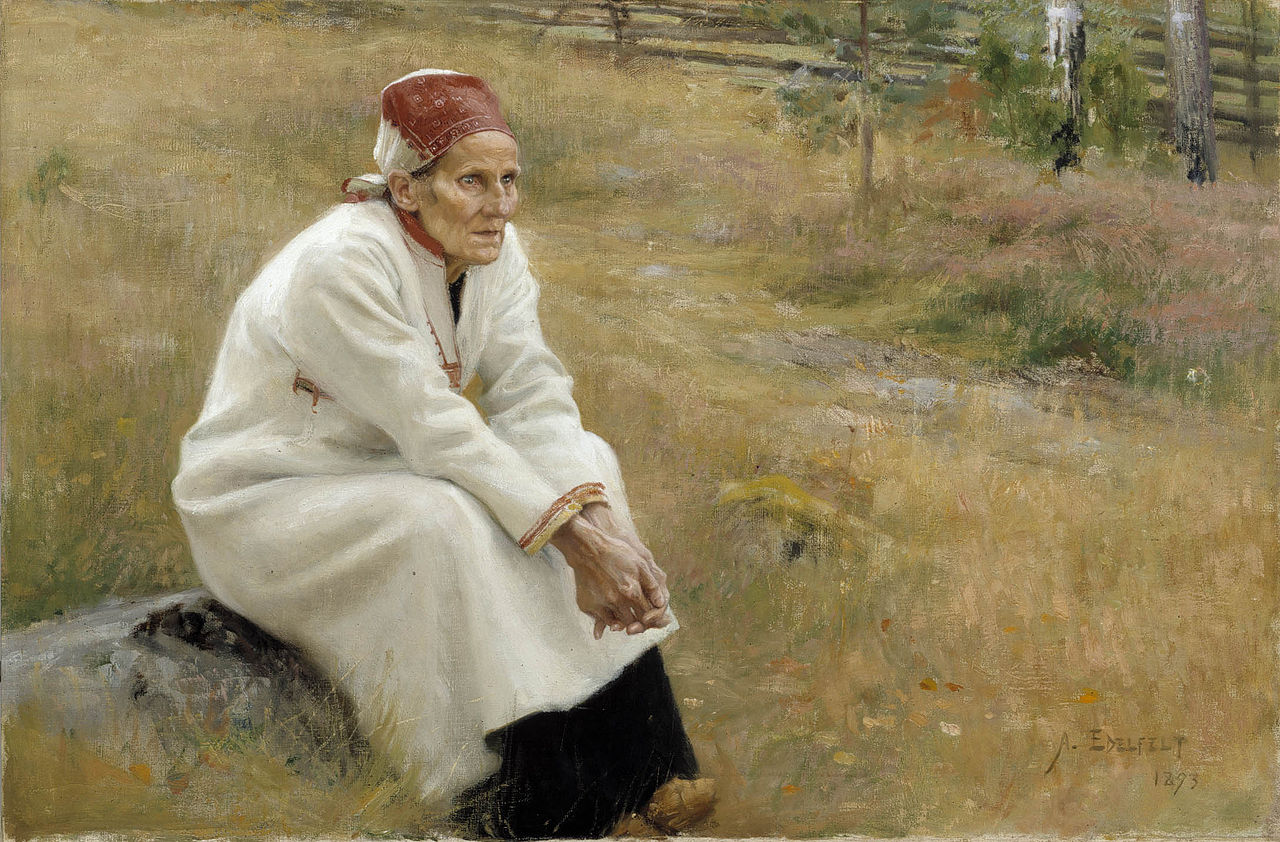


Artistic profile and subjects
Edelfelt’s paintings combine careful observation with an academic finish and an interest in natural light. He repeatedly returned to portraiture and history painting, treating sitters and episodes with dignity and clarity rather than dramatic excess. In parallel he produced graphic work and book illustrations that reached broader audiences and helped shape Finnish visual identity.
Education, Paris and international career
After early training in Finland, Edelfelt studied and exhibited in Paris, where he participated in salons and encountered contemporary currents in French art. His international presence led to portrait commissions from prominent figures and to exhibitions that introduced Finnish subjects to foreign audiences. These connections helped raise Finland’s cultural profile in Europe long before political independence.
Illustration and collaboration
Beyond easel painting Edelfelt worked as an illustrator and graphic artist. Notably he created illustrations for Johan Ludvig Runeberg’s celebrated patriotic cycle, the Fänrik Ståls sägner (the Ensign Stål stories), produced for editions published in the 1890s. These images reinforced the resonance of Runeberg’s poetry and remain among Edelfelt’s best-known applied-arts contributions (see Runeberg).
Legacy and significance
Edelfelt is remembered both for his technical skill and for his cultural role: he bridged Finnish themes and international art circles, mentored younger artists, and left works held in major collections at home and abroad. His standing as a national figure helped create a visual vocabulary used by later artists and by institutions promoting Finnish art (biography and overview). He also appears frequently in discussions of 19th-century portraiture and the development of Nordic art (further reading).
Notable aspects
- Primary genres: portraits, history painting, illustration.
- Active in Paris and other European art centres while maintaining Finnish themes.
- Contributed illustrations to major Finnish literary works.
- Considered instrumental in publicising Finnish culture abroad in the late 19th century.
For readers seeking visual examples and deeper study, many museums and catalogues reproduce Edelfelt’s works and document his influence on Nordic art around the turn of the century.
Related articles
Author
AlegsaOnline.com Albert Edelfelt: Finnish painter and illustrator (1854–1905) Leandro Alegsa
URL: https://en.alegsaonline.com/art/2087
Sources
- commons.wikimedia.org : Albert Edelfelt
- kansallisbiografia.fi : Edelfelt, Albert (1854 - 1905)