
Albert Jacka — Australian Victoria Cross recipient (1893–1932)
Albert Jacka was the first Australian to receive the Victoria Cross in World War I for actions at Gallipoli. He later served on the Western Front, became a businessman and mayor, and died aged 39.
Overview
Albert Jacka (10 January 1893 – 17 January 1932) was an Australian soldier best known as the first Australian serviceman to be awarded the Victoria Cross during the First World War. He later received further decorations for bravery and returned home to pursue business and civic service. Jacka's life and reputation were shaped by intense front‑line combat in the Gallipoli Campaign and on the Western Front and by the long-term physical consequences of his wounds.
Image gallery
7 Images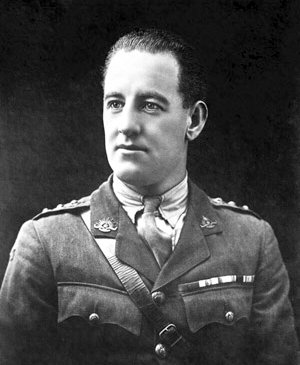




Early life and enlistment
Born in Victoria, Australia, Jacka enlisted for overseas service when the First World War began. Like many contemporaries he left civilian life to join the Australian Imperial Force and quickly found himself in harsh campaigns with heavy fighting. His courage in close combat and ability to lead small groups under pressure were repeatedly noted by fellow soldiers and later by official citations.
Gallipoli and the Victoria Cross
Jacka earned his highest distinction during the Gallipoli fighting, where front‑line positions were fiercely contested and raids and counter‑raids were common. On one occasion he led a daring counter-attack to regain a lost trench, an action for which he was awarded the highest medal for valour available to soldiers of the British and Commonwealth forces, the Victoria Cross. The award made him a national figure in Australia and a symbol of the ANZAC fighting spirit.
Service on the Western Front and further honours
After Gallipoli, Jacka's unit was transferred to the European theatre. He continued to distinguish himself in the trench warfare of the Western Front and was recognised with additional decorations including the Military Cross and a bar to that decoration for subsequent acts of gallantry. His decorations placed him among the better-known decorated soldiers of the Australian forces in the war era.
Later life, business and civic role
Following his repatriation Jacka returned to civilian life and co‑founded a company, Roxburgh, Jacka & Co., which traded in electrical goods and other imports and exports. He also entered local politics and served on the municipal council, eventually becoming mayor of St Kilda. His postwar years were affected by wounds and the long-term health burdens of combat, issues common to many veterans of that conflict.
Legacy and notable facts
- Jacka is remembered as the first Australian soldier awarded the Victoria Cross in the First World War and as a prominent decorated veteran.
- His awards and service link him to the broader histories of the British and Commonwealth forces that fought in the Great War, and he is frequently mentioned in accounts of the Gallipoli Campaign.
- He died relatively young, at the age of 39, never fully recovered from his wartime wounds and their long-term effects; his life is cited in discussions of veterans' care and the social impact of war.
Today Jacka's story is preserved in military histories and local memory: his bravery in combat, transition to civic life, and his role as a public figure after the war provide a concise example of how wartime distinction could influence postwar careers and community standing. For more detailed archival records and citations, consult specialist military collections and local historical societies that hold documents and personal accounts relating to Jacka's service and later civic contributions. Australian commemorations and municipal records often record his name among notable veterans.
Selected references and further reading commonly include regimental histories, collections of Victoria Cross citations and analyses of ANZAC operations; they place Jacka's actions in the tactical and social context of World War I and the early twentieth-century Australia.
Additional links and resources: Victoria Cross details, Military Cross history, medal background, British forces context, Commonwealth forces context, Australian military history, Gallipoli Campaign overview, Western Front overview, St Kilda municipal history.
Questions and answers
Q: Who was Albert Jacka?
A: Albert Jacka was an Australian soldier who won the Victoria Cross during the First World War.
Q: What is the Victoria Cross?
A: The Victoria Cross is the highest medal for valour "in the face of the enemy" that can be given to members of the British and Commonwealth armed forces.
Q: What did Albert Jacka do to win the Victoria Cross?
A: Albert Jacka won the Victoria Cross for his actions during the Gallipoli Campaign.
Q: Where was Albert Jacka sent after the Gallipoli Campaign?
A: Albert Jacka was sent to the Western Front after the Gallipoli Campaign.
Q: Was Albert Jacka recognized for his bravery on the Western Front?
A: Yes, Albert Jacka was given further medals for his bravery on the Western Front.
Q: What did Albert Jacka do after the war?
A: After the war, Albert Jacka started a business called Roxburgh, Jacka & Co. Pty Ltd, importing and exporting electrical goods. He was also elected to the local council and became the mayor of St Kilda, Victoria.
Q: How did Albert Jacka die?
A: Albert Jacka never fully recovered from the wounds he suffered during the war and died at the age of 39.
Tags
Related articles
Author
AlegsaOnline.com Albert Jacka — Australian Victoria Cross recipient (1893–1932) Leandro Alegsa
URL: https://en.alegsaonline.com/art/2095
Sources
- awm.gov.au : "Captain Albert Jacka, VC, MC & bar"
- hardjacka.com : "Hard Jacka - The Story of a Gallipoli Legend"