
Albert Hofmann: Swiss chemist and discoverer of LSD
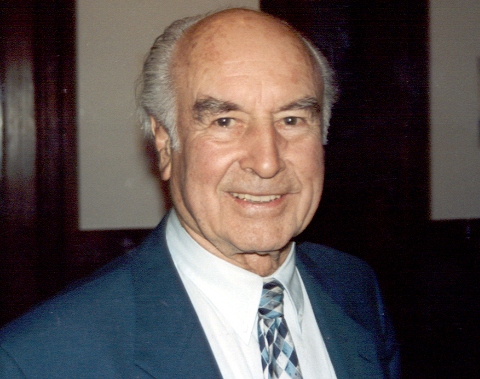
Albert Hofmann (1906–2008) was a Swiss chemist who first synthesized and later identified the psychedelic properties of LSD. He worked on ergot alkaloids, wrote widely, and influenced psychopharmacology and culture.
Albert Hofmann (11 January 1906 – 29 April 2008) was a Swiss chemist known for his work on natural and synthetic alkaloids and for bringing lysergic acid diethylamide (LSD) into scientific and public awareness. He trained in chemistry and spent much of his career at a pharmaceutical research laboratory where he examined compounds derived from the ergot fungus.
Image gallery
2 Images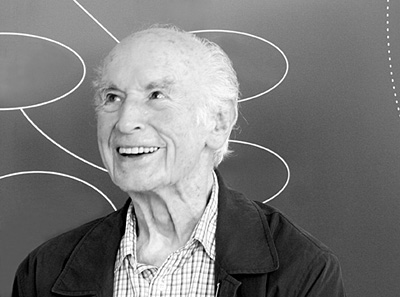
Biography
Hofmann studied chemistry at the University of Zurich and later worked as a researcher and laboratory head. His scientific interests centered on isolating, characterizing and synthesizing biologically active molecules. Over the course of his career he published more than a hundred scientific papers and several books on chemistry and his experiences with psychoactive substances. He is often described in sources as a Swiss scientist.
Discovery of LSD
Hofmann first synthesized LSD in 1938 while investigating ergot alkaloids. Its strong psychoactive effects were not recognized until 1943 when, after an apparent accidental exposure, he deliberately ingested a small amount and experienced profound alterations of perception. That deliberate self‑experiment on 19 April 1943 is commemorated by some as "Bicycle Day." The substance he developed later became widely known as LSD.
Research, writings and uses
Beyond LSD, Hofmann also worked on other natural psychedelics, including compounds present in certain mushrooms, and advocated for careful scientific study of psychoactive agents. He wrote for both specialist and general audiences; his memoirs and accounts discuss scientific methods, ethical questions, and the cultural impact of psychedelic research.
Legacy and notable facts
- Influenced early psychopharmacology and the therapeutic exploration of altered states.
- Authored popular and technical works, including a well‑known memoir.
- Remembered for promoting respectful, research‑based approaches to psychoactive substances.
Hofmann lived to be 102 and remained engaged with scientific and public discussions about psychedelics until late in life, leaving a complex legacy that spans chemistry, medicine and popular culture.
Tags
Related articles
Author
AlegsaOnline.com Albert Hofmann: Swiss chemist and discoverer of LSD Leandro Alegsa
URL: https://en.alegsaonline.com/art/2094