
Albert Manent i Segimon
Catalan writer, scholar and cultural activist (1930–2014). Prominent in promoting Catalan language and literature, son of Marià Manent, with work spanning essays, studies and public cultural engagement.
Albert Manent i Segimon (23 September 1930 – 14 April 2014) was a Spanish writer and cultural activist known for his lifelong involvement with Catalan language and culture. Born in Premià de Dalt, Catalonia, he combined academic study with public commitment to preserve and promote Catalan letters during the mid‑20th century and beyond. He was the son of the poet and translator Marià Manent.
Image gallery
1 Image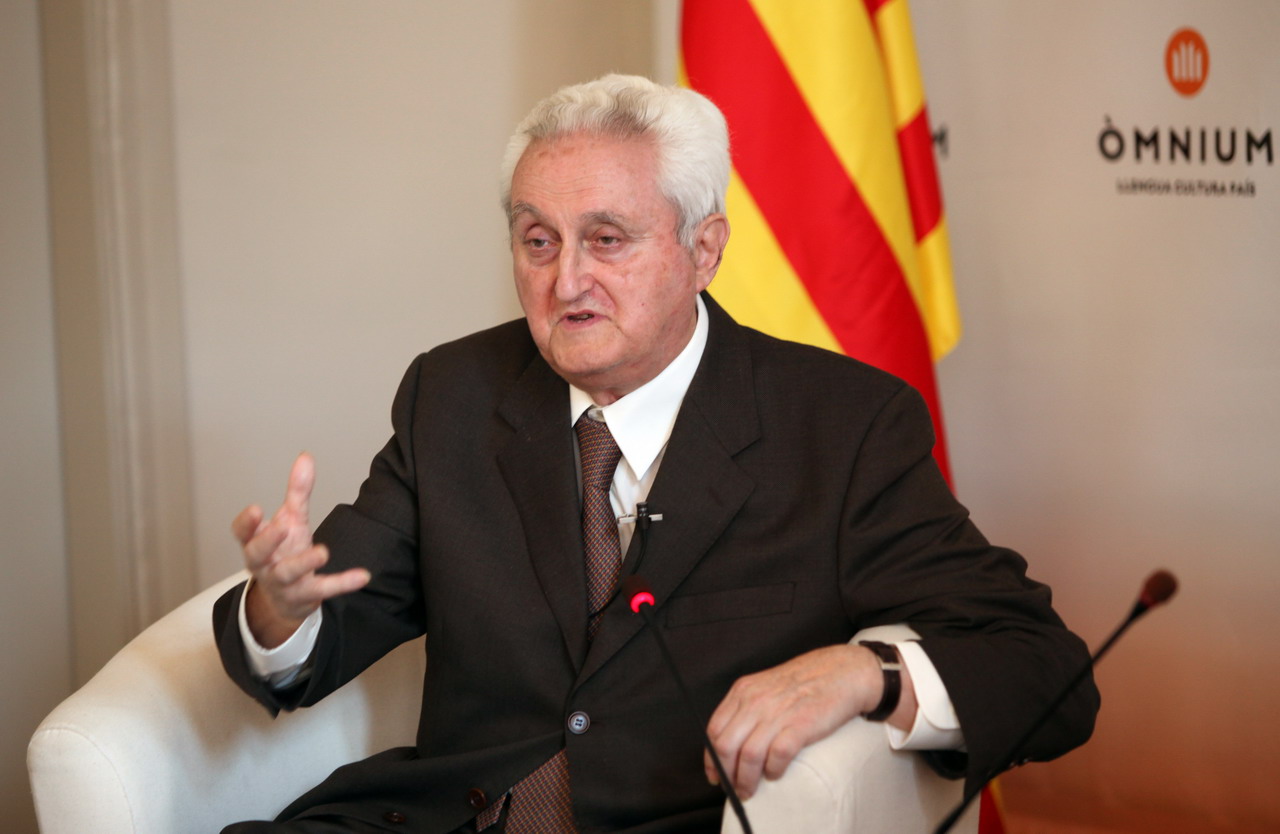
Education and early life
Manent trained in both law and Catalan philology, an academic mix that equipped him for legal, editorial and cultural work. His grounding in philology informed his approach to texts, while his broader education allowed him to operate in institutional and civic contexts. Details of his early career show a steady engagement with publishing, research and cultural networks across Catalonia.
Work and themes
Across decades Manent produced essays, literary studies and editorial projects addressing Catalan literary history, biography and cultural memory. He frequently wrote about the continuity of Catalan traditions, the rescue and publication of forgotten authors, and the role of language in cultural identity. His output combined scholarship with accessible commentary aimed at a general public.
Activism and public role
As a cultural activist Manent took part in initiatives to defend and revitalize Catalan language use, especially in periods when public expression of Catalan was restricted. He engaged with associations, cultural institutions and the press to foster recognition of Catalan literature and to encourage new generations of readers and writers.
Legacy and recognition
Though not every prize or office is listed here, Manent is widely regarded as an important figure in Catalan cultural life for his combination of scholarship and civic engagement. He contributed to the preservation and dissemination of Catalan literary heritage and helped shape debates about language, identity and memory in Catalonia.
Further reading and references
- Biographical profile
- Catalogue of works and publications
- Resources on Catalan philology
- Information about Premià de Dalt and local history
- News report and obituary
Albert Manent died in Madrid in April 2014 after an illness, aged 83. His contributions remain part of ongoing conversations about Catalan literature, cultural memory and the public role of writers and scholars.
Related articles
Author
AlegsaOnline.com Albert Manent i Segimon Leandro Alegsa
URL: https://en.alegsaonline.com/art/2099
Sources
- lavanguardia.com : La Vanguardia.com: Muere Albert Manent, Premi d'Honor de les Lletres Catalanes
- ccaa.elpais.com : El País: Muere Albert Manent, clave en la trastienda cultural catalana