
Clark County, Illinois — overview, history, and key features
County in southeastern Illinois along the Indiana border; county seat Marshall; founded 1819 and named for George Rogers Clark. Summary of geography, history, communities, economy and notable facts.
Overview
Clark County lies in the southeastern corner of the U.S. state of Illinois, along the boundary with Indiana. The county seat is Marshall, a small city that serves as the administrative and service center for the surrounding rural area. According to the 2010 census — the most widely cited decennial count for comparisons — the county recorded a population of 16,335; later estimates have varied modestly as rural counties experience gradual demographic change. The county covers a mix of small towns, farmland and scattered residential areas.
Image gallery
5 Images

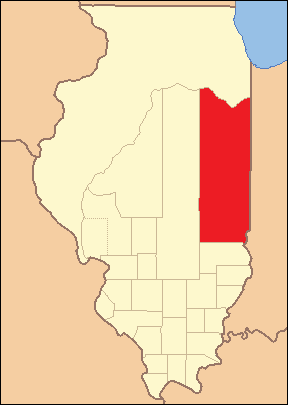

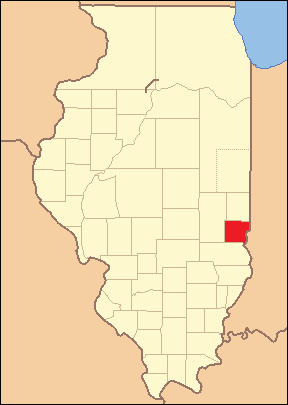
Geography and characteristics
Clark County's landscape is typical of this part of the Midwest: predominantly agricultural land uses with patches of woodland and waterways. Roads and a few state highways connect its communities to larger regional centers. Its position on the state line has influenced trade and travel patterns for residents who commonly cross into neighboring Indiana for services, work, or commerce.
History and origins
Established in 1819, the county was named for George Rogers Clark, an American military leader who is associated with the Revolutionary era. The county's creation followed the early 19th‑century expansion of settlement into Illinois as infrastructure and migration pushed westward. Local institutions, churches and schools grew up around small market towns such as Marshall and other settlements, reflecting typical patterns of frontier town development.
Communities and government
Clark County is governed by a county board and elected officials who oversee roads, public records and local services. Major population centers include the county seat and several boroughs and villages that host primary schools, municipal services and community events. For official maps and administrative details see county sources and the U.S. census summaries; a stable reference is the 2010 census information used for historical comparisons.
Economy and land use
The local economy is anchored by agriculture — row crops, livestock and supporting businesses — along with small manufacturing, retail and health services that serve residents. Many households have ties to farming, agri-business suppliers, schools and county services. Economic transitions reflect broader rural trends: consolidation of farms, commuting to regional employment centers, and efforts to maintain community institutions.
Notable facts and further reading
- The county's founding date and name commemorate early American frontier figures; more on regional history can be found through historical societies and state archives (Revolutionary War context).
- Practical resources such as land records, courthouse services and local planning are available through county offices and community websites (state and county resources).
- Visitors interested in local events, historic sites and outdoor recreation can consult chamber of commerce or tourism listings (Illinois regional guides and cross‑state resources).
For specific facts, dates and demographic trends consult primary sources: county records, state archives and the U.S. Census Bureau, or local historical organizations that preserve Clark County's community history (biographical and military background, county overview, Marshall municipal information).
Related articles
Author
AlegsaOnline.com Clark County, Illinois — overview, history, and key features Leandro Alegsa
URL: https://en.alegsaonline.com/art/20715
Sources
- quickfacts.census.gov : "State & County QuickFacts"
- naco.org : "Find a County" · web.archive.org