
Civil defence: protection and preparedness for civilians in emergencies
Civil defence comprises plans, systems and activities to protect civilians, manage emergencies, and recover communities from armed attacks, disasters and other crises.
Overview
Civil defence (or civil defense) refers to organized measures taken by a state, local authority or community to protect civilians and civil infrastructure from harm during armed attack, large-scale accidents or natural hazards. It covers planning, warning, response and recovery activities intended to reduce loss of life, maintain essential services and help communities regain normal functioning. In some countries civil defence is closely integrated with national defence; in others it operates as a distinct civilian service working alongside emergency responders.
Image gallery
7 Images


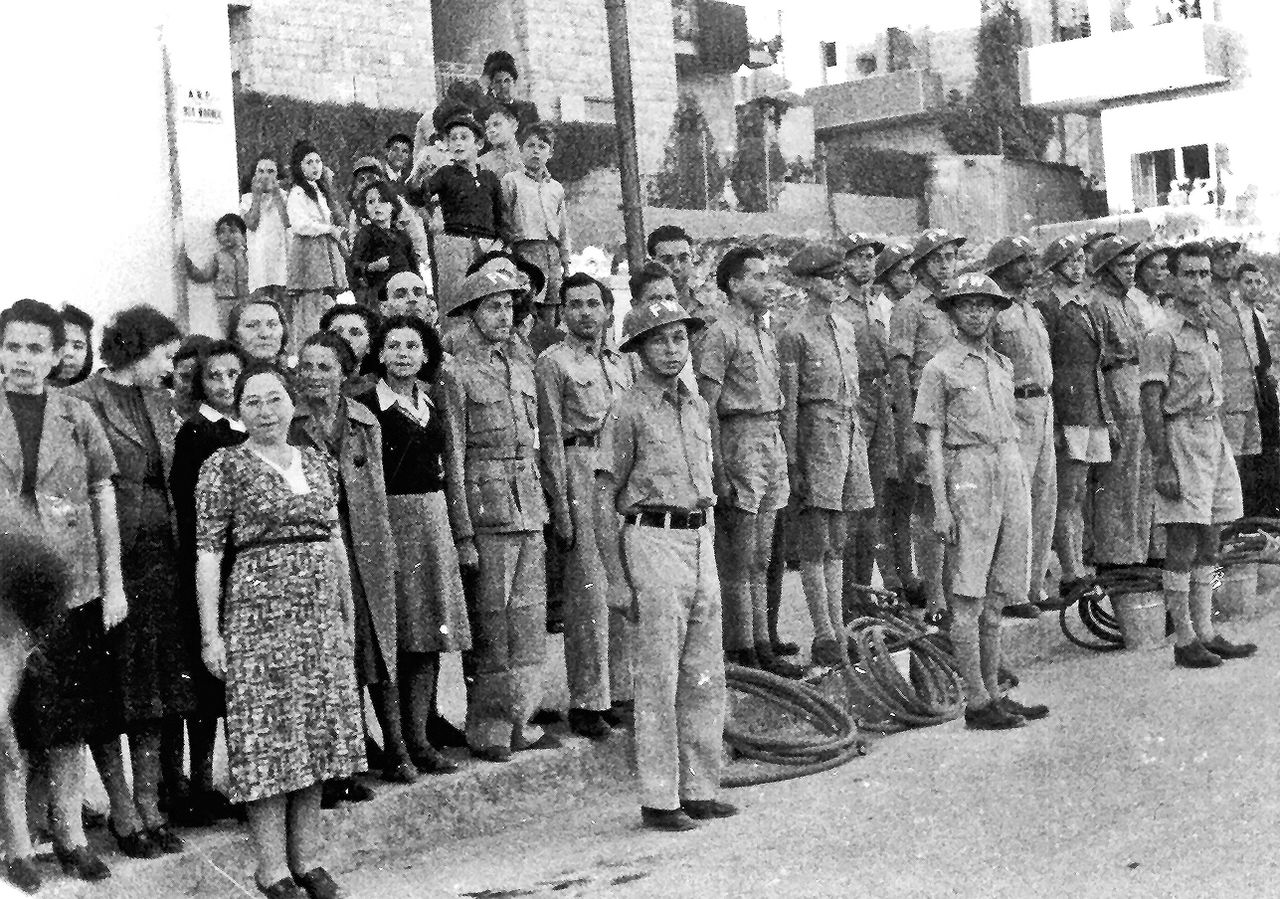


Core components
Typical elements of civil defence programs include public education, early warning systems, evacuation planning, designated shelters and stockpiles of food and medical supplies. Continuity of government and critical infrastructure protection are often part of the remit. Activities are usually exercised through drills and training for professional staff and volunteers.
- Preparedness and planning: hazard assessment, contingency plans, resource allocation.
- Warning and communications: sirens, broadcast alerts, modern mass notification tools.
- Evacuation and sheltering: routes, reception centres and durable safe spaces (evacuation).
- Medical and rescue operations: triage, search-and-rescue and surge capacity.
- Recovery and continuity: restoring services, rebuilding and psychosocial support.
History and development
Organized civil defence concepts emerged in the early 20th century and were tested widely during the mass air attacks of the 1930s and 1940s. From the 1950s onward, the prospect of nuclear weapons prompted extensive shelter programs, public guidance and national stockpiling. During the Cold War many states maintained large civil defence organizations to prepare for the possibility of strategic attack. Since the late 20th century the emphasis has broadened beyond wartime threats to include peacetime emergencies.
Modern usage and terminology
In recent decades the concept has evolved into related fields such as emergency management, crisis management and civil protection. These terms highlight different focuses — for example, emergency management emphasizes disaster response and recovery, while civil protection often connotes legally defined roles for protecting populations. Whatever the label, contemporary programs deal with a spectrum of situations from industrial accidents and pandemics to extreme weather and armed conflict.
Examples and importance
Civil defence measures are used in many scenarios: planning and executing mass evacuations ahead of hurricanes, operating public shelters during armed conflict, coordinating medical surge during epidemics, and managing hazardous-material incidents. Effective civil defence reduces casualties, shortens recovery time and helps maintain public confidence during crises. It also often relies on partnerships between government agencies, volunteer organizations and private-sector operators.
Distinctions and notable facts
Civil defence differs from military defence in purpose and methods: it focuses primarily on protecting non-combatants and civilian systems rather than conducting operations against an adversary. It also overlaps with but is distinct from routine emergency services such as police, fire and ambulance work. Internationally, measures to protect civilians are shaped by humanitarian and human-rights norms; in peacetime, many countries now place civil defence functions under broader state emergency agencies or emergency management departments to ensure integrated responses to both conflict and disasters.
For further study, readers can consult national civil defence agencies and international guidance on disaster risk reduction and emergency preparedness to compare organizational models, legal frameworks and best practices.
Related articles
Author
AlegsaOnline.com Civil defence: protection and preparedness for civilians in emergencies Leandro Alegsa
URL: https://en.alegsaonline.com/art/20586