
Safety: concept, measures, and distinctions
An overview of safety as a condition and practice of protection from harm, its characteristics, domains (public, workplace, home), common measures, and how it differs from related ideas like security and risk.
Overview
Safety is the state or expectation that harm, injury, loss, or other unwanted outcomes will not occur. People experience safety as a subjective feeling and as an objective condition created by physical barriers, procedures, and social systems. For example, a person may report a strong sense of safety in a familiar neighborhood because both perception and measures reduce risk.
Image gallery
4 Images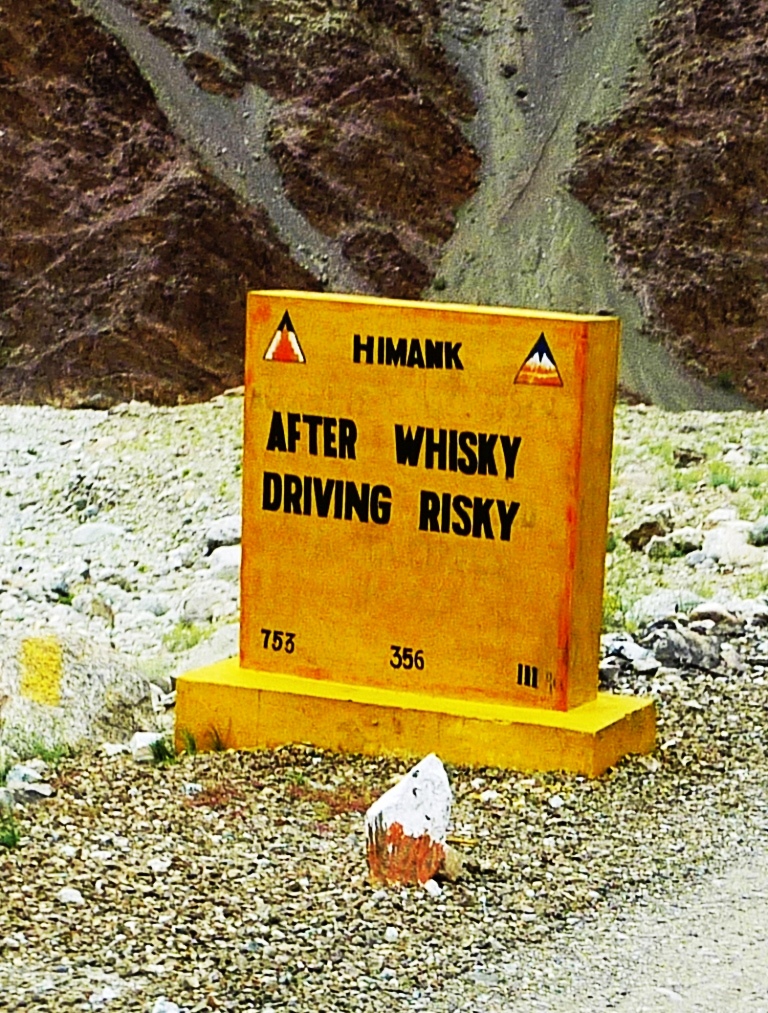



Core characteristics
Several attributes distinguish safety as a concept: predictability, control, prevention, and resilience. Predictability means hazards are known and foreseeable; control refers to mechanisms that limit exposure; prevention reduces the chance that an incident will happen; and resilience supports recovery if something does go wrong. Safety overlaps with but is not identical to security, which often emphasizes deliberate threats and protection against intentional harm.
Historical and social context
Efforts to improve safety have grown alongside urbanization, industrialization, and scientific understanding of hazards. Early regulations focused on visible dangers in workplaces and transport; modern safety regimes combine engineering, human factors, law, and public policy. Institutions such as law enforcement contribute to public safety by deterring and responding to unlawful acts and reducing incidents like crime.
Domains and examples
Safety applies across many fields. In construction and manufacturing it concerns protective equipment and design; in homes it includes shelter and fire protection; in transportation it covers vehicle design and traffic rules; in product design it covers labeling and testing to prevent harm.
- Personal protective equipment — for example, safety helmets that aim to prevent head injury.
- Built environment — houses and buildings that provide shelter and thermal safety from weather hazards (homes and housing).
- Institutional measures — policing, emergency services, and public health systems that reduce collective risk.
Measures, trade-offs, and distinctions
Common safety measures include hazard identification, engineering controls, administrative procedures, training, and personal protective equipment. These interventions often involve trade-offs among cost, convenience, and freedom. Safety is not simply the absence of harm; its opposite is commonly described as danger, but nuanced discussion contrasts risk, hazard, security, and resilience. Good safety practice considers both preventing incidents and limiting their consequences.
In summary, safety is a multidimensional concept combining subjective feeling and objective measures. It is shaped by technology, design, social systems, and policy, and it remains a central concern in public life, workplaces, homes, and products.
Author
AlegsaOnline.com Safety: concept, measures, and distinctions Leandro Alegsa
URL: https://en.alegsaonline.com/art/85214