
HM Prison Wakefield
High-security Category A men's prison in Wakefield, England, established in the 16th century; holds some of the most dangerous offenders and is managed by His Majesty's Prison Service.
Overview
HM Prison Wakefield is a high-security men's prison in Wakefield, West Yorkshire, England. It is operated by His Majesty's Prison Service and designated as Category A, the classification used in the United Kingdom for prisoners whose escape would be highly dangerous to the public. The site has very old origins and has been used for custodial purposes for centuries. The establishment houses several hundred prisoners; contemporary reports often state an operational population in the region of about 740 inmates.
Image gallery
5 Images



History and development
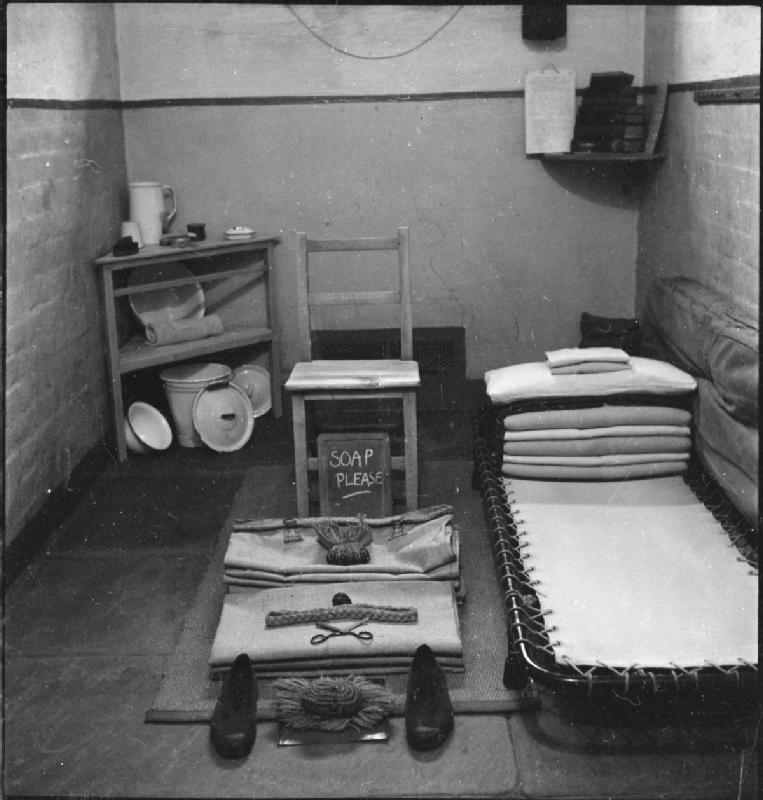
Parts of the prison date back many centuries, with the original foundation recorded in the late 16th century (often cited as 1594). Over time the fabric and function of the site have been altered repeatedly to match changing prison standards, legal frameworks and security requirements. As with other long-standing prisons, Wakefield has combined historic structures with modern security adaptations to serve as a national facility for high-risk prisoners.
Characteristics and operations
As a Category A establishment, Wakefield prioritises containment, risk management and public protection. Security features include secure perimeter fencing, controlled movement, segregation and multi-layered supervision. In addition to custodial functions, the prison provides basic healthcare, mental health assessment and some programmes intended to address offending behaviour, although opportunities for education and resettlement are more limited than in lower-security settings.
Notable inmates
- Dr. Harold Shipman, the convicted serial killer, was held at Wakefield until his death by suicide in 2004; his time in custody and subsequent death attracted substantial public and media attention. Harold Shipman is frequently associated with the prison in historical accounts, and official inquiries considered aspects of his supervision and death. Details of his suicide prompted reviews of procedures.
- Ian Watkins, the former lead singer of a rock band convicted of serious sexual offences, was also held at Wakefield. His imprisonment at Wakefield received press coverage owing to the high profile of the case.
Importance, oversight and public interest
Wakefield plays a distinct role within the national custodial estate by holding some of the most dangerous or high‑risk men in England. As such, it is subject to oversight by prison inspectors, independent monitoring boards and other accountability mechanisms. Events that occur at high-security prisons—escapes, deaths in custody or trials of inmates—often prompt wider discussions about prison policy, mental health support and the management of serious offenders.
Access and further information
Visits and contact with prisoners at Wakefield are governed by strict security procedures and must be arranged through official channels. For general definitions and the classification system used to assign security levels, see the entry on Wakefield and related guidance. For media or research enquiries, official prison service publications and inspection reports provide the most reliable sources of current detail.
Category A facilities differ substantially from lower‑security prisons in purpose and operation, and Wakefield remains one of the institutions most commonly referenced when discussing high‑risk custody in England.
Questions and answers
Q: What is HM Prison Wakefield?
A: HM Prison Wakefield is a Category A prison for men in Wakefield in England, which is reserved for the most dangerous criminals.
Q: When was HM Prison Wakefield built?
A: HM Prison Wakefield was built in 1594.
Q: How many prisoners does HM Prison Wakefield currently house?
A: HM Prison Wakefield currently has about 740 prisoners.
Q: Who is Harold Shipman?
A: Harold Shipman was a prisoner at HM Prison Wakefield until he committed suicide in 2004. He was a British general practitioner who was one of the most prolific serial killers in history.
Q: Who else was a prisoner at HM Prison Wakefield?
A: Ian Watkins, a Welsh musician and convicted sex offender, was also a prisoner at HM Prison Wakefield.
Q: What does Category A mean?
A: Category A means that a prison is reserved for the most dangerous criminals.
Q: Where is Wakefield located?
A: Wakefield is a city in West Yorkshire, England.
Related articles
Author
AlegsaOnline.com HM Prison Wakefield Leandro Alegsa
URL: https://en.alegsaonline.com/art/44570
Sources
- justice.gov.uk : "Wakefield Prison information"
- news.bbc.co.uk : "Shipman suicide 'not preventable'"