
Pontefract (West Yorkshire)
Pontefract is a historic market town in West Yorkshire, England, known for its medieval castle ruins, racecourse and the small liquorice sweets called Pontefract cakes.
Pontefract is a historic market town in West Yorkshire, England, within the metropolitan borough of the City of Wakefield. The town has a population of roughly 28,000 and sits at the heart of a region shaped by medieval trade, later industrial activity and modern commuter patterns. Pontefract combines visible historic remains with everyday shopping streets and community facilities.
Image gallery
10 Images


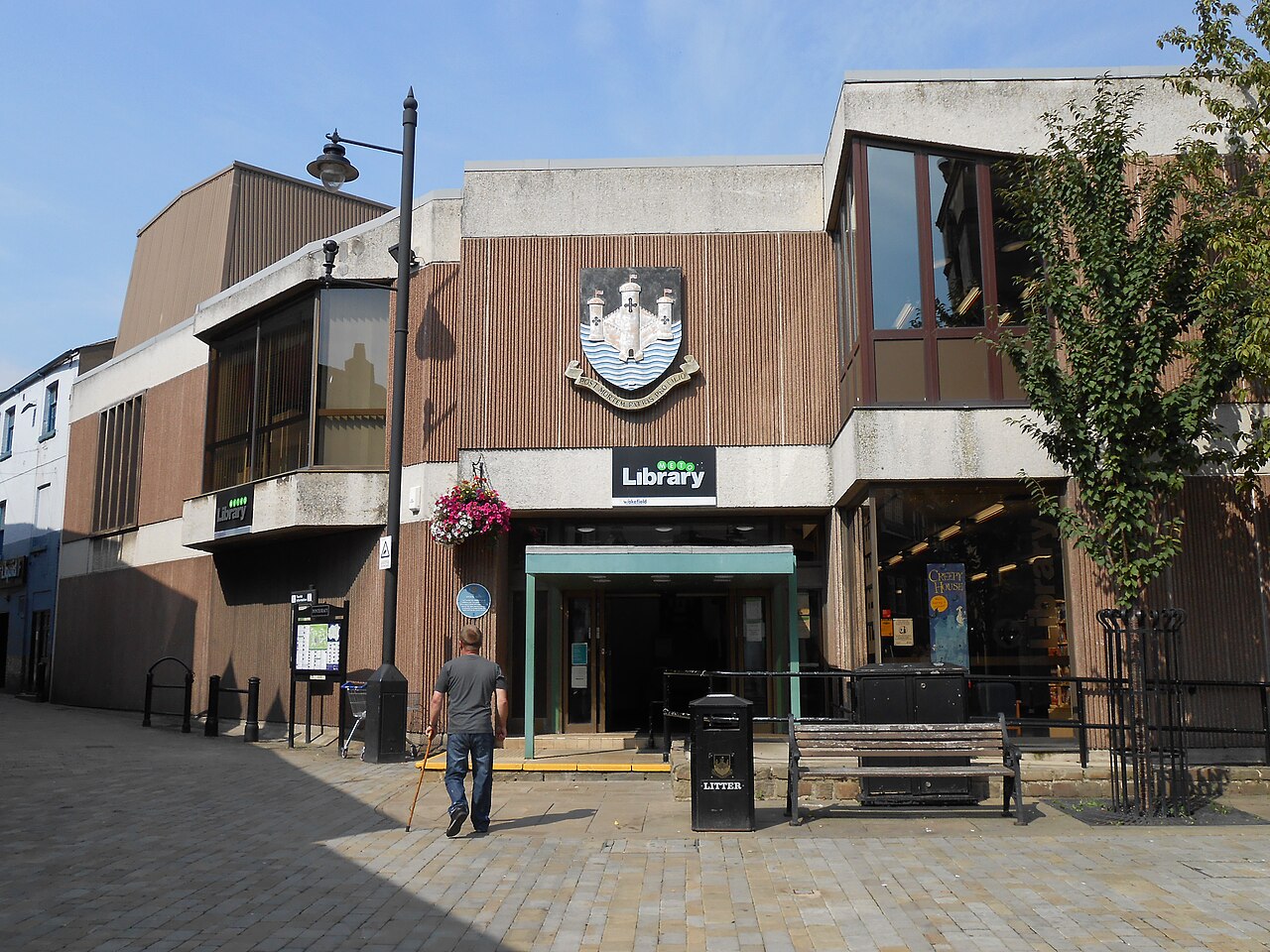


Origins and history
The place-name is commonly thought to come from a medieval term meaning "broken bridge" and reflects the town's long settlement history. Pontefract developed around a Norman castle built to command local routes and river crossings. The castle became one of the area's most important medieval strongholds and the town grew as a market and administrative centre. Over centuries Pontefract was involved in national events and later in the region's industrial expansion.
Notable landmarks
Surviving sites and civic features attract visitors and anchor local identity. Key places include:
- Pontefract Castle ruins, a focal point for medieval and post-medieval history.
- Pontefract Racecourse, one of England's traditional course venues for horse racing.
- St. Giles' Church and other historic parish buildings in the town centre.
- The market area and shopping streets that continue an unbroken market tradition.
Pontefract cakes and cultural notes
The town gave its name to a distinctive small, round liquorice sweet known as the Pontefract cake. These black sweets have been associated with the town for centuries and are an enduring culinary and cultural emblem. The cakes are often mentioned in local festivals, publicity and food histories; they link Pontefract to broader confectionery traditions based on liquorice.
Beyond sweets, Pontefract's character reflects layers of change: a medieval market town that experienced textile and coal-era economic shifts and later adapted to post-industrial circumstances. Many residents commute to nearby cities for work while the town promotes heritage tourism and community events.
Visitors and researchers often come to explore the castle ruins, attend race meetings, or trace social and industrial histories held in local archives. Pontefract remains a compact town where historic landmarks sit close to everyday urban life, offering both local services and points of wider interest.
Related articles
Author
AlegsaOnline.com Pontefract (West Yorkshire) Leandro Alegsa
URL: https://en.alegsaonline.com/art/77971