
Alaska Railroad: state-owned line linking Anchorage, Fairbanks and Denali
State-owned Alaska Railroad links Anchorage and Fairbanks, serves Denali National Park, ports and communities. It operates both freight and passenger services, supports tourism, industry and military access.
Overview
The Alaska Railroad is the principal rail system in the U.S. state of Alaska. Owned and operated by the State of Alaska as a public corporation, it provides combined freight and passenger services across a largely isolated network. The railroad links major population centers, supports remote communities, and serves tourism, resource development and federal logistics needs.
Main route and destinations
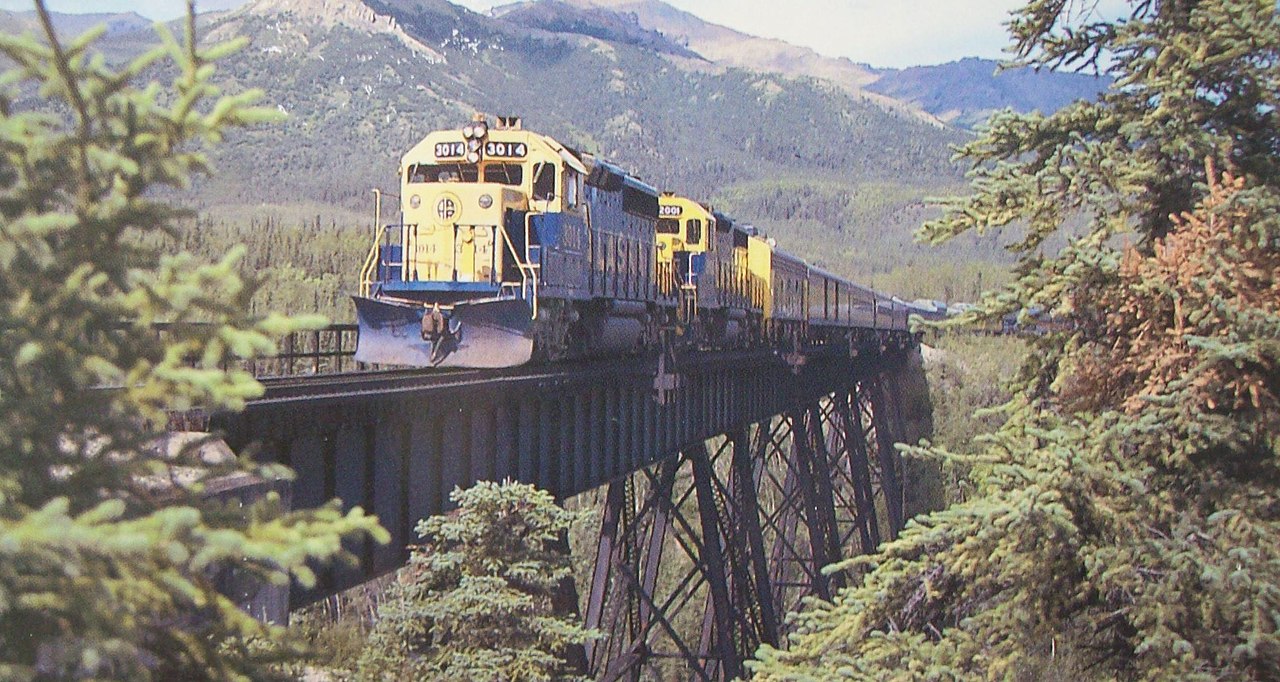
The railroad’s primary corridor connects Anchorage and Fairbanks, with important intermediate stops and spurs to regional gateways. Key passenger and tourist destinations served by the railroad include Denali National Park, which provides access to the mountain commonly cited as the tallest in North America. Short branches reach the small community of North Pole, military facilities, and a combined rail-and-highway tunnel that serves the port community of Whittier. The line also connects to seaports such as Seward and facilities in Anchorage, enabling transfer between ship, air and rail transport.
Image gallery
10 Images



Services and operations
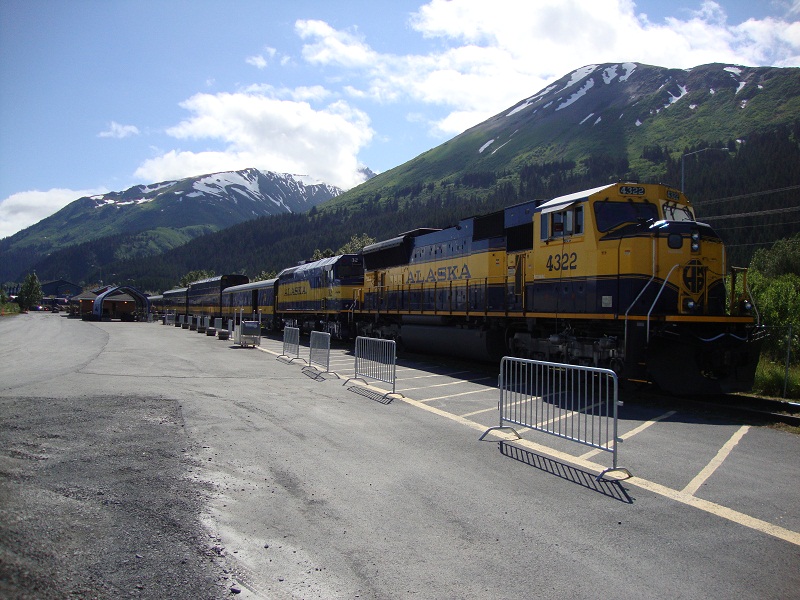
The Alaska Railroad conducts mixed operations, carrying freight and passengers on the same standard-gauge track. Freight traffic includes fuel, construction materials, consumer goods and industrial shipments that sustain communities and industries across the state. Passenger services range from regional transportation used by residents to seasonal scenic trains that cater to visitors. Well-known named trains include seasonal services that link Anchorage, Denali and Fairbanks and coastal routes that emphasize scenic travel during the summer season.
Rolling stock, maintenance and environment
The railroad maintains its own locomotives, passenger cars and freight equipment adapted for cold-weather operation. Maintenance practices address challenges such as heavy snowfall, freeze–thaw cycles and permafrost in northern sections of the route. Snow removal, track heating in critical areas, and careful scheduling for inspections and repairs are important parts of year-round operations. Environmental stewardship and coordination with federal and state agencies are part of route planning, particularly where the railroad serves national parks and sensitive landscapes.
History and governance
Rail construction in Alaska began in the early 20th century to connect ports, mining districts and interior settlements. The line evolved through federal construction and operation before ownership was transferred to state control; the railroad has since been managed as a public corporation to maintain essential transportation links for residents, industry and government. While the Alaska Railroad functions as a full-service system, it is not physically connected to the contiguous North American rail network and operates as an independent, self-contained network.
Economic and social importance
- Community lifeline: The railroad delivers fuel, building materials and supplies to towns with limited road access, supporting year-round life in remote areas.
- Tourism: Scenic rail services bring visitors to national parks, coastal destinations and wilderness gateways, contributing to local economies.
- Freight and industry: The line supports resource development, construction projects and commercial shipping through connections to ports and airports.
- Strategic access: Rail links to military facilities and federal logistics points add to the railroad’s strategic value.
Operational notes
The Alaska Railroad balances passenger timetables with freight movements on single-track sections using scheduled meeting points and sidings. Seasonal variations in traffic—strong tourist demand in summer and essential freight flows year-round—shape equipment allocation and workforce planning. Coordination with state and federal partners helps the railroad respond to emergency needs such as disaster relief or priority military shipments.
This entry summarizes the Alaska Railroad’s role in connecting communities, serving visitors and supporting industry across Alaska’s varied terrain. For additional information about specific services, schedules and operational notices, consult official resources and operator publications.
Related articles
Author
AlegsaOnline.com Alaska Railroad: state-owned line linking Anchorage, Fairbanks and Denali Leandro Alegsa
URL: https://en.alegsaonline.com/art/2012