
Seward, Alaska: Port city on Resurrection Bay and gateway to Kenai Fjords
Seward is a coastal city on Resurrection Bay, Kenai Peninsula, known for its port, Alaska Railroad terminus, access to Kenai Fjords National Park, the Alaska SeaLife Center and the Mount Marathon race.
Overview
Seward is a small coastal city at the head of Resurrection Bay on Alaska’s Kenai Peninsula. With roughly three thousand year‑round residents, it functions as a regional port, the southern terminus of the Alaska Railroad, and a summer gateway for visitors bound for Kenai Fjords National Park. Cruise ships, charter boats and independent travelers swell the town’s population during the warmer months as people come for glaciers, wildlife viewing and marine recreation.
Image gallery
10 Images






Geography and climate
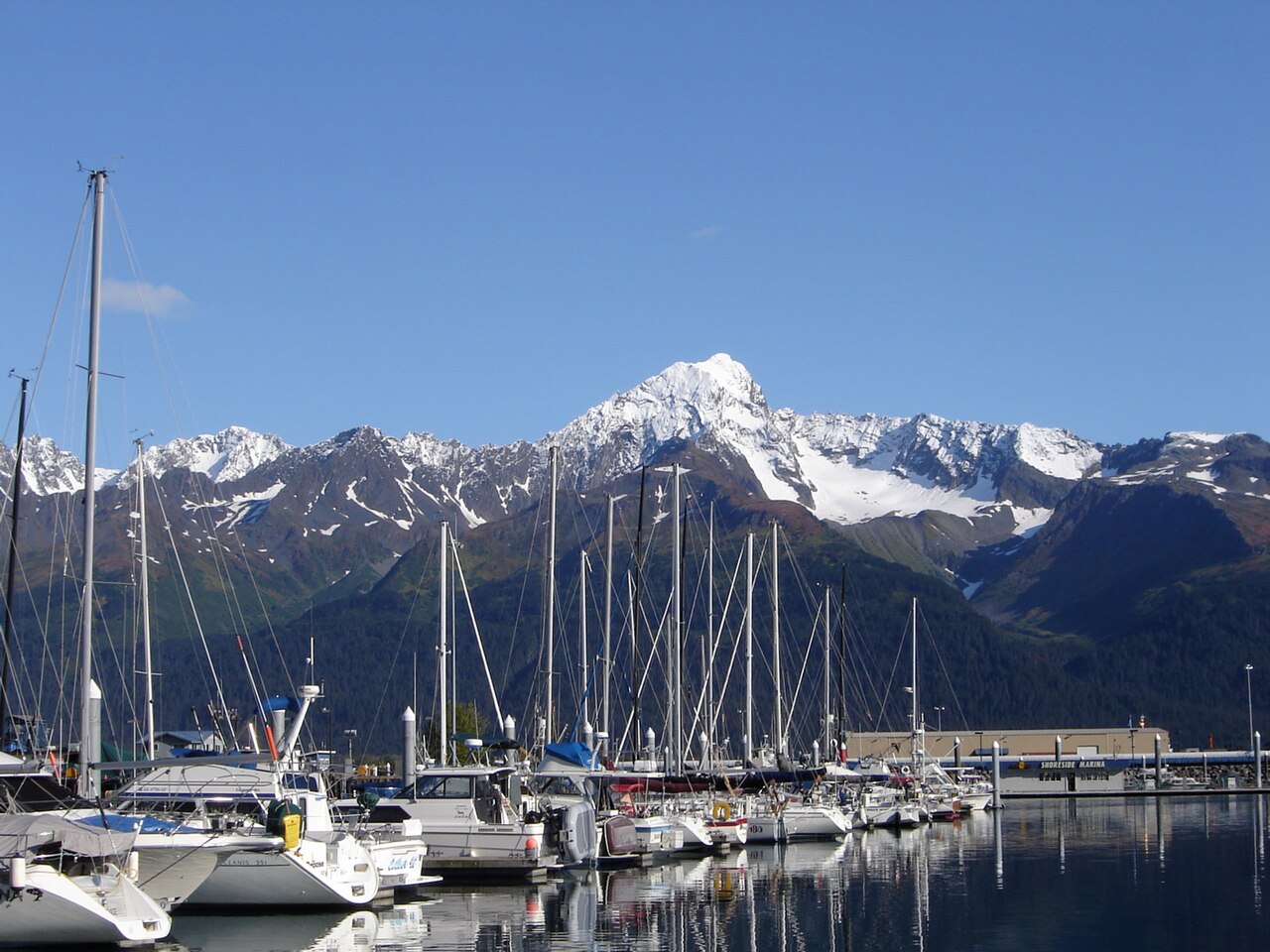
The town occupies a narrow coastal plain framed by steep, glaciated mountains that fall directly to the sea. Resurrection Bay is a deep, ice‑free fjord, sheltered by the surrounding highlands and providing safe harbor for vessels in most seasons. Seward’s climate is maritime: winters are relatively mild by interior Alaska standards but are wet and often snowy, while summers are cool and can be foggy. The proximity of glaciers and productive coastal waters supports abundant seabirds, marine mammals and commercially important fisheries.
History
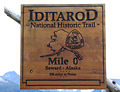
Seward was named for William H. Seward, U.S. Secretary of State who negotiated the 1867 transfer of Alaska from Russia to the United States. The town developed in the late 19th and early 20th centuries as transportation routes and commercial fisheries expanded. The arrival of the Alaska Railroad established Seward as an important shipping and rail terminus, linking the interior and the Gulf of Alaska coast. Seward also sits at one end of the Iditarod National Historic Trail, a network of routes once used for mail, freight and seasonal travel across southcentral Alaska.
1964 earthquake and later hazards
The 1964 Good Friday earthquake, one of the largest recorded earthquakes, severely affected Seward. Ground subsidence, landslides and tsunami waves damaged docks, fill areas and low‑lying neighborhoods; the town rebuilt much of its waterfront and port infrastructure in the decades that followed. Seward is also exposed to heavy winter storms, occasional flooding and significant snowfall events, so local planning emphasizes resilient infrastructure and emergency preparedness.
Economy and transportation
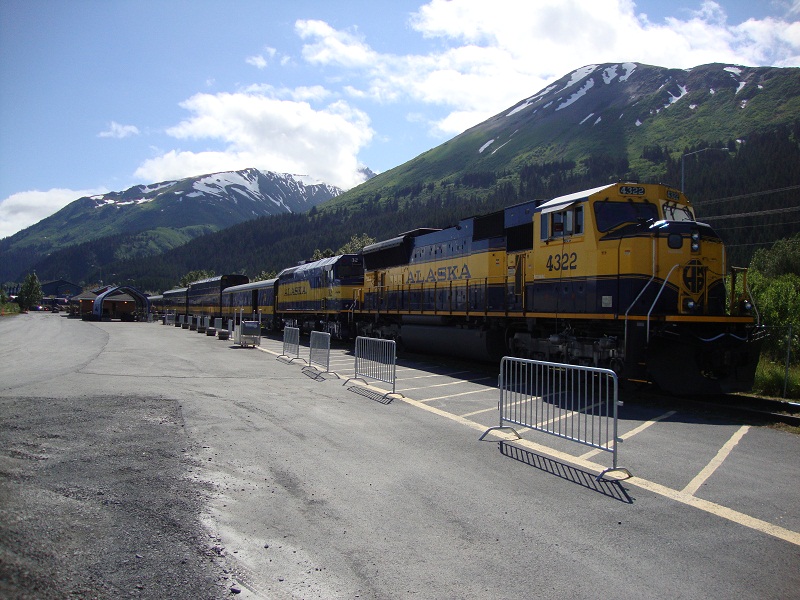
Seward’s economy is a mix of commercial fishing, seafood processing, tourism and services that support outdoor recreation. The port handles fishing vessels, small cargo ships and seasonal excursion craft that operate on the bay and along the coast. The Alaska Railroad provides passenger and freight links between Seward and other communities, and the Seward Highway connects the town by road to the Kenai Peninsula and Anchorage. These transportation links make Seward a logistics center for both people and goods on the southern peninsula.
Tourism, science and recreation
Tourism is a major seasonal activity. Many visitors arrive for wildlife viewing, sportfishing, kayaking and boat trips to tidewater glaciers in Kenai Fjords National Park. The Alaska SeaLife Center, located in Seward, serves as a public aquarium, research facility and marine mammal rehabilitation center and is a prominent attraction that combines education with scientific work. Hiking, boating and guided glacier tours are widely available, drawing both day visitors and longer‑stay travelers.
Culture and annual events
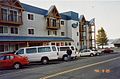
Seward maintains a lively local culture focused on maritime life and outdoor pursuits. A signature event is the Mount Marathon Race, held each July 4, a steep uphill‑and‑downhill footrace that draws elite runners and spectators and has become a long‑running local tradition. The downtown offers historic buildings, galleries, small museums and businesses that reflect the community’s ties to fishing, railroading and wilderness access.
Environment and wildlife
The marine and coastal ecosystems around Seward support diverse wildlife, including whales, sea otters, seals, porpoises and many seabird species. Intertidal areas and kelp forests are productive habitats, and nearby glaciers influence coastal water chemistry and nutrient cycles. Conservation and sustainable fishery practices are important concerns for residents, researchers and resource managers who work in the region.
Role in Alaska’s network
- Gateway community for Kenai Fjords National Park and nearby marine wilderness.
- Southern terminus of the Alaska Railroad and historic start of local trail networks.
- Center for commercial fishing, seafood processing and marine research.
- Host of longstanding cultural and sporting traditions such as the Mount Marathon Race.
Despite its modest year‑round population, Seward’s combination of port facilities, rail access, proximity to glaciers and marine research institutions gives it an outsized role in the Kenai Peninsula’s economy and in Alaska’s coastal tourism industry. The town continues to balance its working waterfront and small‑town character with the demands of seasonal visitation and the need to adapt to geological and climatic hazards.
Related articles
Author
AlegsaOnline.com Seward, Alaska: Port city on Resurrection Bay and gateway to Kenai Fjords Leandro Alegsa
URL: https://en.alegsaonline.com/art/89245
Sources
- census.gov : "US Gazetteer files: 2000 and 1990"
- placelook.com : "Seward, AK: demographics"
- commons.wikimedia.org : Seward, Alaska