
Denali (formerly Mount McKinley)
Denali is the highest peak in the United States and North America, rising about 20,310 ft in Alaska. It is an iconic mountain with cultural significance, extreme weather, and a long mountaineering history.
Overview
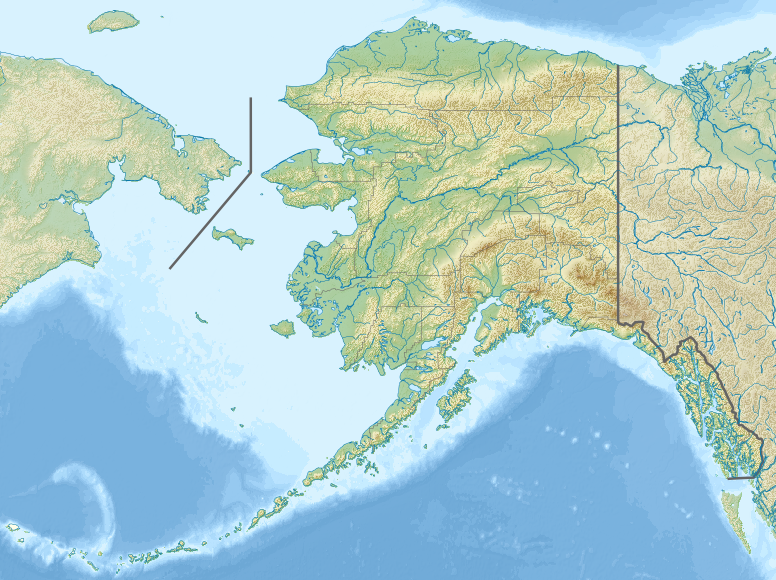
Denali is the tallest mountain in the United States and North America, with an elevation commonly given as 20,310 feet (6,190.5 m). Located near the center of the Alaska Range, it stands out for both its absolute height and its tremendous vertical relief above surrounding lowlands. The mountain's name, Denali, means "the high one" in the Athabaskan languages of Alaska; it was long also known as Mount McKinley before the federal name was officially restored to Denali in recent decades. Many references describe it simply as the region's highest peak.
Image gallery
10 Images


Geography and physical characteristics
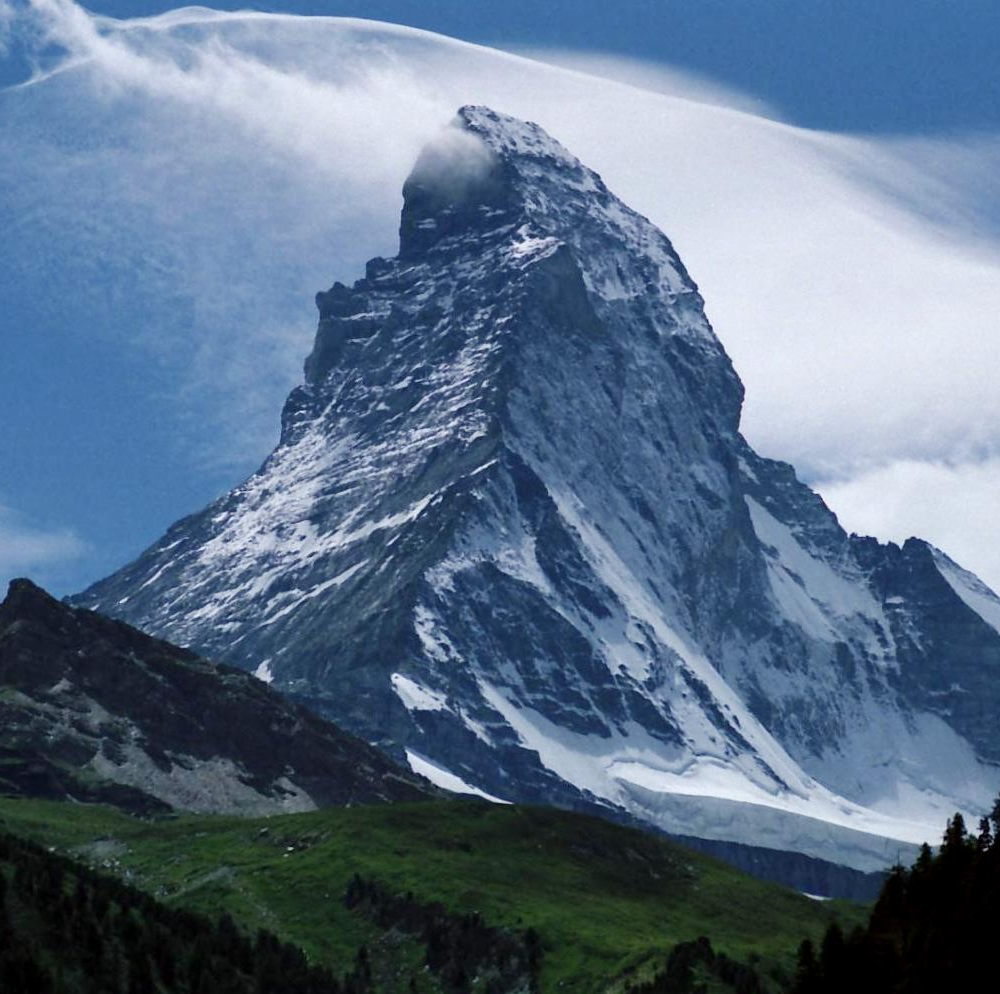
Denali forms a massive massif with several subsidiary ridges and glaciers. Its faces include steep ice- and snow-covered slopes, rock bands, and large glaciated valleys. Key characteristics include:
- Elevation: about 20,310 ft (6,190.5 m).
- Prominence: one of the most prominent peaks in the world, giving dramatic local relief.
- Glaciation: fed by extensive glacier systems that shape the surrounding landscape and approach routes.
Climate and ecology
The mountain sits in a subarctic climate zone subject to extreme cold, sudden storms, and strong winds. Weather can change rapidly, producing whiteout conditions and severe wind chill even in summer. Vegetation is limited to tundra and alpine communities at lower elevations; higher slopes are largely barren ice and rock. Wildlife in the broader park includes large mammals adapted to northern ecosystems.
Human history and mountaineering
Indigenous Alaskans long knew and named the mountain. The first recorded ascent was in 1913, and since then Denali has been a major objective for climbers worldwide. Routes vary from technically moderate but long and cold climbs to more technical faces. Major hazards include altitude, extreme cold, avalanches, and crevasses; successful expeditions require careful planning, acclimatization, and experience in glacier travel and cold-weather survival.
Conservation and significance
Denali is the centerpiece of Denali National Park and Preserve, an area protected for its natural values, wildlife habitat, and cultural resources. The mountain is a national symbol of wild, high-latitude alpine terrain and draws scientists, photographers, and outdoor enthusiasts. Its dual identity—cultural name Denali and historical name Mount McKinley—reflects broader conversations about place names, heritage, and stewardship.
Notable facts
- Denali's elevation was confirmed by modern surveying methods and remains subject to occasional refinement.
- Despite not being the tallest mountain on Earth, its base-to-summit rise rivals or exceeds that of many higher peaks because of deep surrounding lowlands.
- The mountain is accessible via well-managed approaches in the national park, but weather and remoteness keep it a serious undertaking.
Related articles
Author
AlegsaOnline.com Denali (formerly Mount McKinley) Leandro Alegsa
URL: https://en.alegsaonline.com/art/26540
Sources
- erg.usgs.gov : Elevations and Distances in the United States
- commons.wikimedia.org : Denali
- wikidata.org : wikidata.org/wiki/Q130018
- d-nb.info : 4408388-9
- id.loc.gov : sh85082617
- catalog.archives.gov : 10043617
- aleph.nkp.cz : ge407610
- viaf.org : 241195889
- worldcat.org : 241195889