
Chopicalqui — 6,345 m peak of the Cordillera Blanca, Peru
Chopicalqui is a 6,345 m mountain in Peru's Cordillera Blanca. A glaciated Andean summit, it is popular with alpine climbers and known for steep ice faces, crevassed glaciers and scenic proximity to other high peaks.
Chopicalqui is a high, glaciated mountain rising to 6,345 metres (20,817 ft) in the Cordillera Blanca, a range of the Andes. Located in modern-day Peru, it is noted for steep snow and ice slopes and is commonly listed among the higher Andean summits (ranked among the top peaks of the range). Detailed information and route descriptions can be found in specialist guides and maps (Chopicalqui resources).
Image gallery
2 Images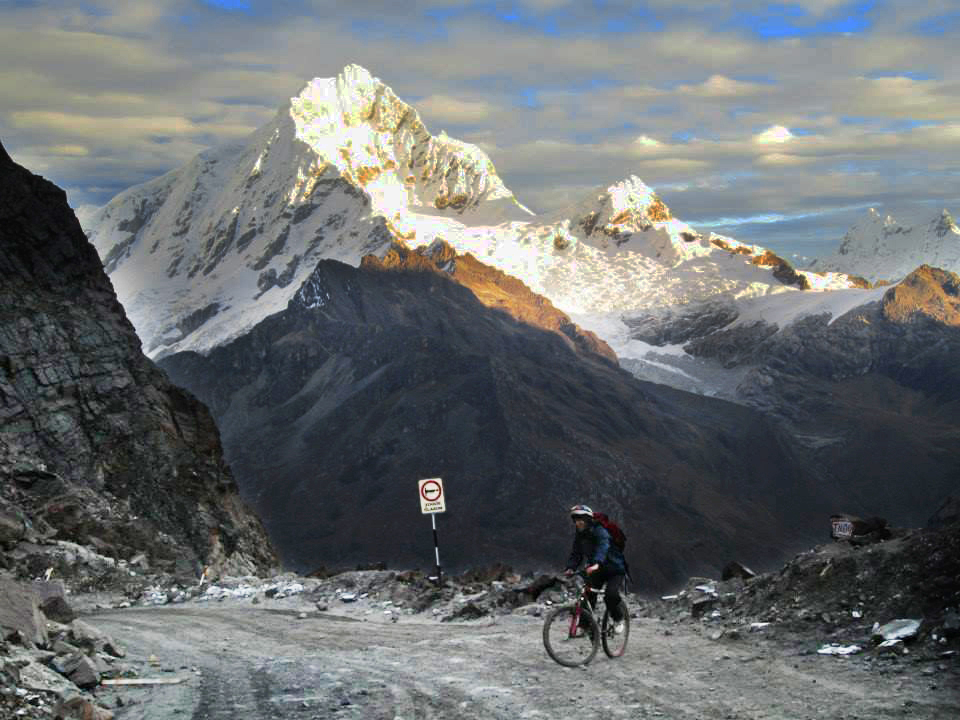

Location and physical features
Chopicalqui stands within the glaciated Cordillera Blanca, an alpine zone characterized by jagged peaks, hanging glaciers and deep valleys. The mountain combines steep ice faces with heavily crevassed glaciers on its flanks. From nearby valleys it presents a dramatic pyramidal profile that makes it visually prominent among neighboring summits (Cordillera Blanca).
Climbing and common routes
The peak is a popular objective for experienced mountaineers. Ascents require glacier travel, crevasse rescue skills and ice climbing techniques on sustained slopes. Typical itineraries include approaches from local valleys, glacier camps and climbs that ascend mixed snow and ice ridges. Parties often use Chopicalqui for acclimatization or as part of multi-peak expeditions in the area.
History and significance
Chopicalqui has been part of the mountaineering history of the Cordillera Blanca since the early era of alpine exploration in the Andes. Over the twentieth century it attracted both domestic and international climbers and has remained notable for its combination of altitude and technical ice routes. The mountain also contributes to local watersheds via its glaciers, which are monitored as part of regional environmental studies.
Practical considerations
- Season: the drier months are the most common climbing season.
- Skills: glacier travel, crevasse rescue and steep ice techniques recommended.
- Access: approaches are typically from valley towns that serve as bases for Cordillera Blanca expeditions.
For further reading and route planning consult specialized guidebooks, local mountain services and published maps (detailed guides, regional information, national park and travel resources). For comparative rankings and lists of high Andean summits see compilations of the Andean peaks.
Tags
Related articles
Author
AlegsaOnline.com Chopicalqui — 6,345 m peak of the Cordillera Blanca, Peru Leandro Alegsa
URL: https://en.alegsaonline.com/art/19966