
Chola dynasty — Tamil kingdom of South India (early medieval–13th century)
The Chola dynasty was a long-lived Tamil ruling house from the Kaveri valley that reached imperial power in the 10th–12th centuries, noted for temples, administration, maritime trade and regional influence.
Overview
The Chola dynasty was a prominent Tamil royal house that dominated large parts of southern India and adjacent maritime zones from early historic times until the 13th century. Originating in the fertile Kaveri (Cauvery) valley, the Cholas rose from local chieftains to become a highly organized polity whose power peaked in the 10th to 12th centuries under energetic rulers. The dynasty is frequently presented in regional histories as one of the great South Indian powers, alongside contemporaries to its west and north, and it left an enduring marks on religion, art and administration across the subcontinent and beyond (dynasty, southern India).
Image gallery
10 Images




Key rulers and chronology
Early Chola kings are known from inscriptions and later literary references. Among the best known are Karikala Chola, an early figure associated with river and irrigation works, and the medieval emperors who transformed the state into an imperial power. Notable rulers include:
- Karikala Chola — an early celebrated king linked with engineering and consolidation.
- Rajaraja Chola I — often called Rajaraja the Great; he consolidated territories and initiated major temple building.
- Rajendra Chola I — expanded Chola influence overseas and northward.
- Kulothunga Chola I — a later ruler who reasserted Chola authority in times of change.
These rulers and their courts are often treated as emblematic of the 13th century end point of the dynasty’s long chronology in southern historical accounts and inscriptions (emperors).
Administration, culture and monuments
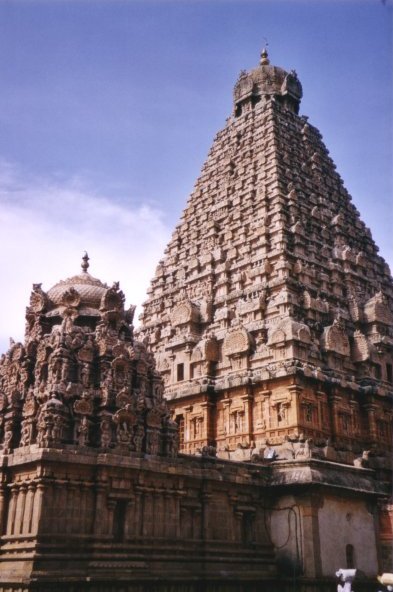
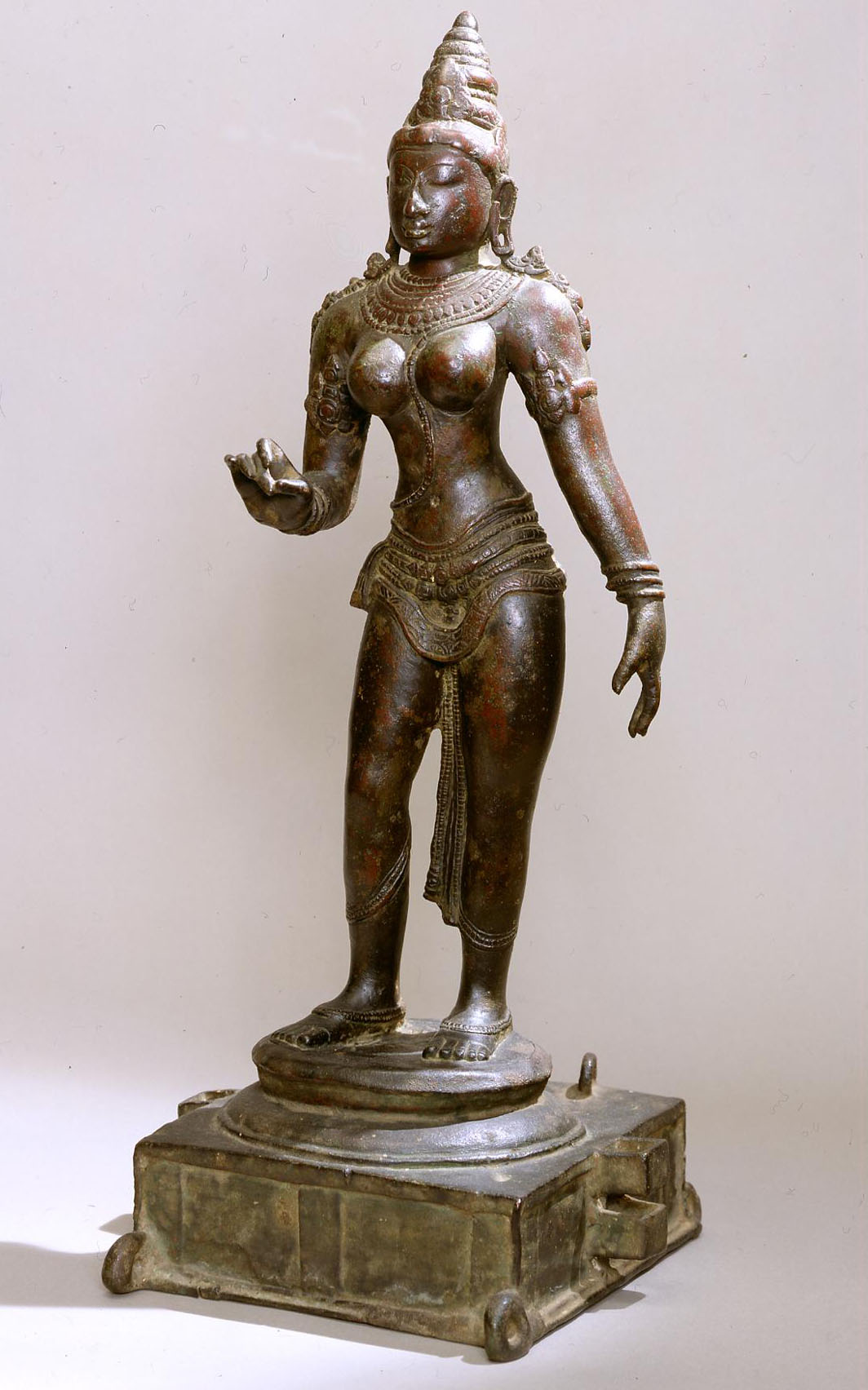
The Cholas developed a structured bureaucracy with land grants, local councils and revenue systems centering on agriculture in the Kaveri basin. They are especially celebrated for monumental stone temples, large-scale bronze sculpture, Tamil devotional literature and extensive epigraphic records. The Brihadisvara Temple and similar complexes exemplify Chola temple architecture and patronage of Shaiva and other cults, and their inscriptions document social, religious and economic life for historians.
Maritime activity and territorial reach
Maritime trade and naval power were important aspects of Chola policy. During their high point the Cholas projected power across the Bay of Bengal and conducted expeditions to Southeast Asian states, challenging rival maritime polities and facilitating trade in spices, textiles and other commodities. Their territorial reach is sometimes described as stretching from island groups in the south to northern riverine plains: sources note control or influence over the Maldives and campaigns that reached the banks of the Ganges, reflecting both commercial and military ambitions across Asia.
Legacy and distinctions
The Chola era is important for its combination of centralized royal power and local autonomy, sophisticated temple economy, and sustained engagement with maritime networks. It fostered artistic forms—particularly bronze icons and temple architecture—that continued to influence South Indian culture. The dynasty’s inscriptions and monuments remain primary sources for the region’s medieval history and are subjects of conservation and study by scholars and institutions (height, Tamil, dynasty).
Further reading and resources
- General surveys of South Indian history provide context for the Chola period; see academic treatments and translated inscriptions for primary material (chronology).
- Architectural and art-historical studies focus on temple complexes and bronzes produced under Chola patronage (regional studies).
- Maritime and economic histories examine Chola trade links and naval expeditions to island polities and mainland Southeast Asia (emperors, Maldives).
Related articles
Author
AlegsaOnline.com Chola dynasty — Tamil kingdom of South India (early medieval–13th century) Leandro Alegsa
URL: https://en.alegsaonline.com/art/19950