
Chinese martial arts (Wushu), commonly called Kung Fu
Traditional Chinese fighting systems—called wushu or kung fu—comprising diverse regional styles, training methods, philosophical influences and modern sport, with roles in self‑defense, health and performance.
Overview: Chinese martial arts are a broad collection of combat practices and movement systems that have developed over centuries in China. Known in Mandarin as wushu and widely called kung fu in popular usage, they include unarmed and armed methods, codified patterns, conditioning drills, and partner work. The phrase martial arts here covers both traditional fighting repertoires and newer performance or competitive forms.
Image gallery
10 Images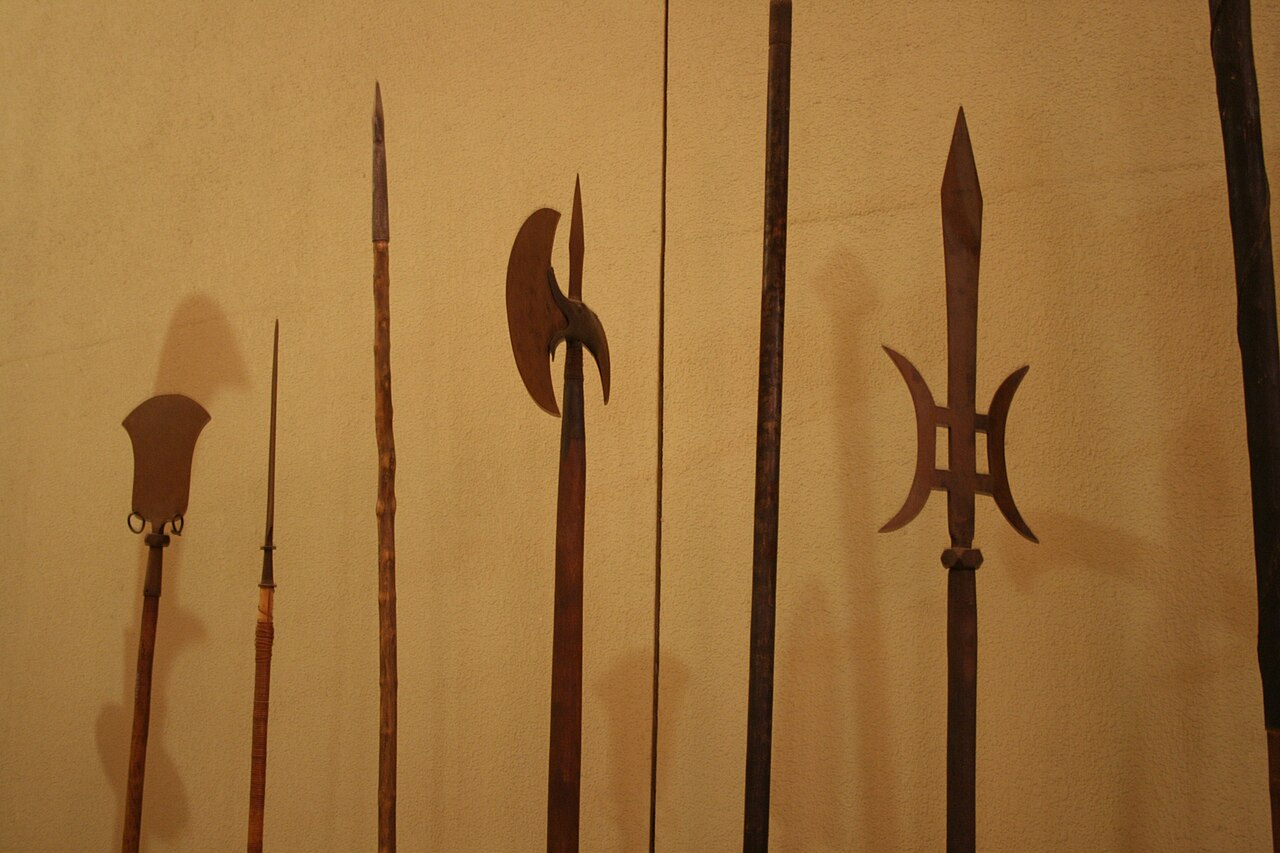



Characteristics and common elements
Styles vary widely, but many share several elements: posture and footwork, coordinated striking and grappling techniques, discretionary weapon training, and a set of practiced routines (often called "forms" or taolu). Training typically combines physical conditioning with technical repetition, breathing exercises, and sometimes meditative or qigong practices aimed at cultivating qi or internal awareness. Some methods emphasize explosive external power, while others focus on subtle alignment and internal force.
Historical development
The origins of Chinese martial arts are complex and partly legendary. Practical fighting techniques arose from military training, local self‑defense, and communal guard duties, while religious and philosophical institutions also influenced technique and doctrine. Sectarian lineages and monasteries—most famously the Shaolin tradition—feature in many accounts as centers where techniques and pedagogy were refined. Over time, martial arts incorporated ideas from Taoism, Buddhism, folk medicine, and Chinese classical thought, resulting in diverse schools that evolved in different regions.
Common classifications
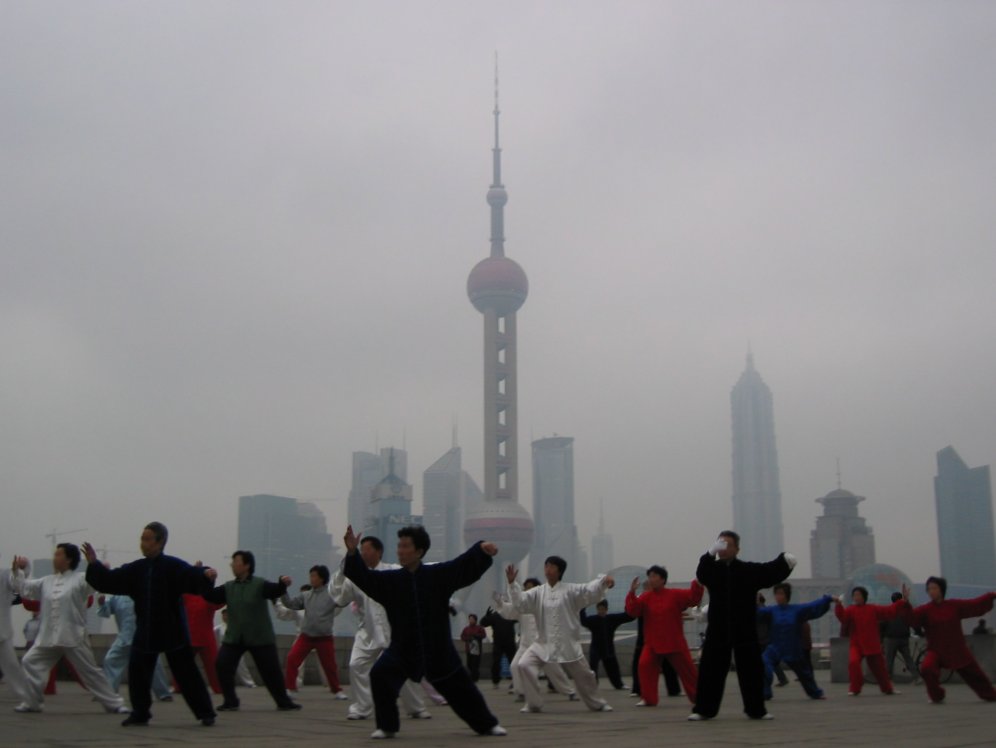
- Internal (nèijiā): styles that emphasize breath, structure and subtle power, such as Tai Chi, Bagua and Xingyi.
- External (wàijiā): approaches that prioritize muscular strength, speed and overt techniques, often associated with Shaolin lineages.
- Regional classes: broadly divided into northern (běiquán) and southern (nánquán) traditions, reflecting historical differences in stance, kicking, and footwork.
- Family, sect and school: many systems are transmitted within familial or sectarian lineages (jiā, pài, mén), which preserve distinct curricula and training rituals.
Practice, applications and modern forms
Practitioners train for multiple goals: practical self‑defense, physical fitness, meditative health benefits, cultural preservation, and artistic performance. Traditional drills include solo forms, partner drills, sparring, weapons practice, and conditioning exercises inspired by animal movements. In the 20th and 21st centuries, some techniques were standardized into competitive or demonstrative sport wushu, while other lineages remained focused on fighting efficacy or health systems like Tai Chi.
Notable aspects and examples
Well‑known styles include Shaolinquan, Wing Chun, Tai Chi, Baguazhang and Xingyiquan; each exemplifies different emphases on speed, sensitivity, centerline control, or circular movement. Martial arts also shaped Chinese performing arts and cinema, bringing techniques and imagery into global popular culture. While scholarship continues to sort legend from history, the living practice of these arts remains culturally significant, widely taught, and continuously adapted.
For further reading on origins, styles and contemporary practice see sources related to regional development and pedagogy: fighting traditions, historical development, and introductory material on training and philosophy at general references China and martial arts.
Related articles
Author
AlegsaOnline.com Chinese martial arts (Wushu), commonly called Kung Fu Leandro Alegsa
URL: https://en.alegsaonline.com/art/19766