
Child abandonment: causes, legal responses, and long-term outcomes
Overview of child abandonment, common causes and risk factors, how societies respond (orphanages, foster care, Safe Haven laws), consequences for children, and prevention or support strategies.
Overview
Child abandonment occurs when a caregiver deserts a child without arranging for ongoing care or supervision. The term is used in social work and law to describe situations ranging from leaving an infant in an unsafe place to long-term desertion of older children. Definitions and legal consequences vary by country and jurisdiction, and responses may include emergency care, child protection proceedings, or placement in institutional or family-based care.
Image gallery
4 Images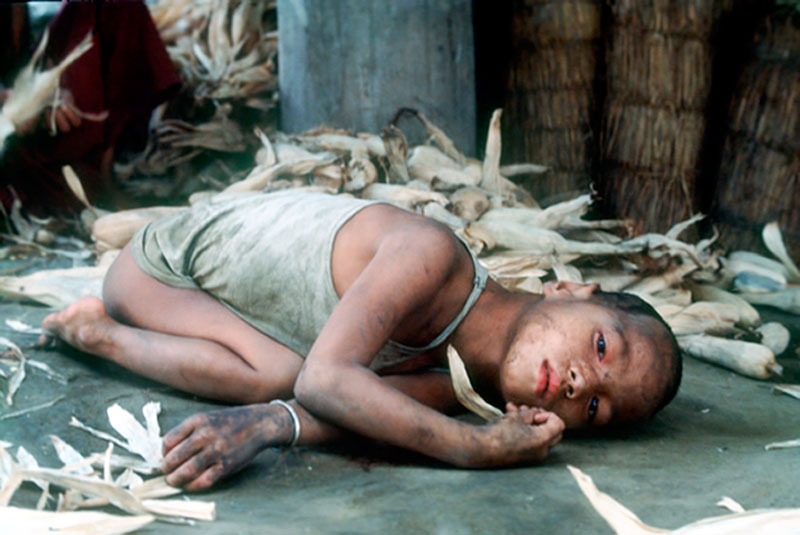


Causes and risk factors
Decisions that lead to abandonment are often complex and rarely the result of a single factor. Common contributing circumstances include extreme poverty, untreated mental illness, substance misuse, social isolation, teenage parenthood, domestic violence, and cultural or legal pressures. In some cases abandonment results from sudden crises; in others it develops after prolonged neglect. Risk factors can operate together: for example, poverty may interact with inadequate access to health or social services to produce situations in which a caregiver feels unable to provide for a child.
Legal and social responses
Many states maintain formal child protection systems that assess risk and arrange for temporary or permanent placement. Children who have been left without parental care may enter foster care, kinship care with relatives, or, in some countries, residential institutions sometimes called orphanages. Alternatives such as family preservation programs and emergency shelters aim to reduce the need for institutionalization.
Some jurisdictions have enacted special statutes intended to reduce dangerous abandonments of newborn infants. So-called "Safe Haven" provisions permit parents to relinquish very young infants at designated locations without criminal prosecution if certain conditions are met. Typical Safe Haven sites include hospitals, fire stations, and police stations. In these arrangements the infant is transferred to child welfare authorities and efforts are made to place the child in a safe setting or to arrange adoption. Legal treatment of relinquishment varies: in some areas it is explicitly authorized and unwound from criminal abandonment charges, while in others it remains subject to family court review or other proceedings where welfare concerns are paramount. Leaving an older child in a public place is more likely to be treated as abandonment under criminal or family law than using a formal safe surrender process like those designed for infants; where relevant, some statutes distinguish between leaving a newborn and abandoning an older child, and may refer to acts such as "leaving a baby" or otherwise failing to provide care, which are handled differently by courts and agencies (see local law).
Consequences and outcomes for children
Children who experience abandonment face a range of possible outcomes. Short-term needs often include medical attention, nutrition, and psychological stabilisation. Longer-term impacts can include attachment difficulties, developmental delays, and increased vulnerability to exploitation and poor educational or health outcomes. However, outcomes vary widely depending on the age of the child at separation, the presence of trauma, the quality of subsequent caregiving, and access to supportive services.
Prevention, support and notable distinctions
Preventive measures focus on addressing the root causes: poverty alleviation, access to mental health and substance use treatment, family support programs, affordable childcare, and education for expectant parents. Where abandonment has already occurred, timely family-finding, placement with kin, and high-quality foster care or adoption services improve prospects. It is important to distinguish abandonment from other forms of parental absence, such as temporary migration, incarceration, or loss by death; legal definitions and social responses differ accordingly.
Examples and further reading
- Common interventions: emergency shelters, foster care placements, counselling and adoption services.
- Policy approaches: Safe Haven laws for infants and child protection systems that emphasize family preservation.
- Local resources and laws: consult child welfare agencies or legal aid services for jurisdiction-specific guidance.
For more information about underlying causes or local procedures, see resources on poverty and family stress, mental health services, child care options and the role of institutional care. If you are facing a crisis with an infant, many places maintain safe-surrender options at hospitals, fire stations, and police stations, and reputable adoption or child welfare agencies can explain how relinquishment and protective custody are handled in adoption and placement processes. Because laws and services differ, consult local authorities or legal counsel about the consequences of leaving a baby or other forms of parental absence.
Tags
Related articles
Author
AlegsaOnline.com Child abandonment: causes, legal responses, and long-term outcomes Leandro Alegsa
URL: https://en.alegsaonline.com/art/19642
Sources
- safehavenlaws.uslegal.com : "Safe Haven Laws"
- jstor.org : "The Exposure of Infants at Athens"